Stephen Holland - Böcker
Visar alla böcker från författaren Stephen Holland. Handla med fri frakt och snabb leverans.
10 produkter
10 produkter
268 kr
Skickas inom 7-10 vardagar
The study of public health aims to protect and promote the wellbeing of the public as well as reduce health inequalities. Public health ethics asks how far we should go to achieve these goals, balancing the rights and needs of individuals against those of the community. But what are these and how much weight should be given to each of them?In the third edition of his well-loved textbook, Stephen Holland shows how philosophy is key to evaluating the suitability of public health interventions. Holland explores the key goals of public health ethics in relation to both moral and political philosophy, reflecting on our everyday intuitions about which public health policies are justified. In light of recent developments, he includes new content exploring equity and health inequalities, and on how public health information is gathered and used. The book is updated throughout with material on contemporary cases, such as the COVID-19 pandemic.Public Health Ethics continues to provide a lively, accessible and philosophically informed introduction. As well as being an ideal student text, Holland’s systematic discussion will engage the more advanced reader and inform scholarship in the field.
3 161 kr
Skickas inom 10-15 vardagar
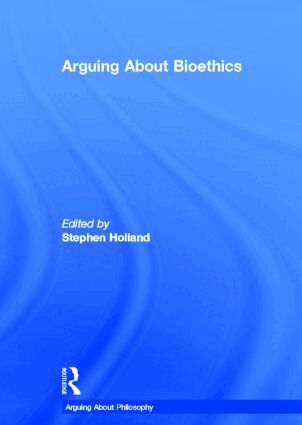
Arguing About Bioethics is a fresh and exciting collection of essential readings in bioethics, offering a comprehensive introduction to and overview of the field. Influential contributions from established philosophers and bioethicists, such as Peter Singer, Thomas Nagel, Judith Jarvis Thomson and Michael Sandel, are combined with the best recent work in the subject.Organised into clear sections, readings have been chosen that engage with one another, and often take opposing views on the same question, helping students get to grips with the key areas of debate. All the core issues in bioethics are covered, alongside new controversies that are emerging in the field, including: embryo researchselecting children and enhancing humanshuman cloningusing animals for medical purposesorgan donationconsent and autonomypublic health ethicsresource allocationdeveloping world bioethicsassisted suicide.Each extract selected is clear, stimulating and free from unnecessary jargon. The editor’s accessible and engaging section introductions make Arguing About Bioethics ideal for those studying bioethics for the first time, while more advanced readers will be challenged by the rigorous and thought-provoking arguments presented in the readings.
834 kr
Skickas inom 10-15 vardagar
Arguing About Bioethics is a fresh and exciting collection of essential readings in bioethics, offering a comprehensive introduction to and overview of the field. Influential contributions from established philosophers and bioethicists, such as Peter Singer, Thomas Nagel, Judith Jarvis Thomson and Michael Sandel, are combined with the best recent work in the subject.Organised into clear sections, readings have been chosen that engage with one another, and often take opposing views on the same question, helping students get to grips with the key areas of debate. All the core issues in bioethics are covered, alongside new controversies that are emerging in the field, including: embryo researchselecting children and enhancing humanshuman cloningusing animals for medical purposesorgan donationconsent and autonomypublic health ethicsresource allocationdeveloping world bioethicsassisted suicide.Each extract selected is clear, stimulating and free from unnecessary jargon. The editor’s accessible and engaging section introductions make Arguing About Bioethics ideal for those studying bioethics for the first time, while more advanced readers will be challenged by the rigorous and thought-provoking arguments presented in the readings.
689 kr
Tillfälligt slut
716 kr
Skickas inom 7-10 vardagar
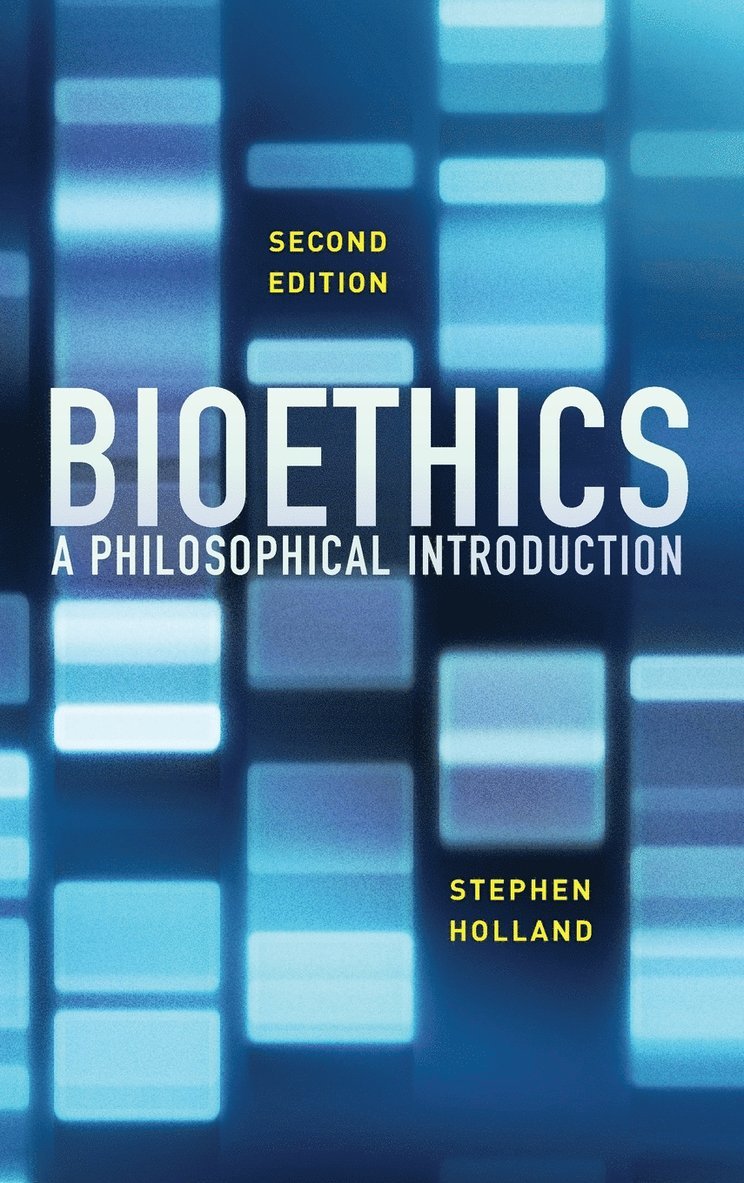
This book provides a clear and comprehensive introduction to contemporary bioethics. It also presents provocative, philosophically informed arguments on current bioethical issues. Holland engages with debates ranging from the more familiar such as euthanasia, advance decisions to refuse treatment, and new reproductive technologies to the philosophical implications of recent developments in genetics, including prenatal genetic therapy, genetic enhancement and human cloning. The book is built around four crucial themes. The first is moral status: what are the implications of the moral status of human embryos or animals for our biomedical practices? The second theme life, death and killing looks at the ethics of ending, or failing to lengthen, human life. Holland then explores various questions of personal identity raised in contemporary bioethical debates. Finally, he presents and develops a version of the argument from nature which continues to be influential in bioethics in order to make sense of the objection that some biomedical innovations are �unnatural�. Structuring the discussions in this way creates an engaging introduction to bioethics that is an ideal textbook for students, whilst offering much to stimulate colleagues in the field.This second edition has been thoroughly and comprehensively updated to reflect the most recent advances in bioethics, and includes an entirely new chapter on the ethical treatment of patients in the minimally conscious state.
309 kr
Skickas inom 5-8 vardagar
This book provides a clear and comprehensive introduction to contemporary bioethics. It also presents provocative, philosophically informed arguments on current bioethical issues. Holland engages with debates ranging from the more familiar such as euthanasia, advance decisions to refuse treatment, and new reproductive technologies to the philosophical implications of recent developments in genetics, including prenatal genetic therapy, genetic enhancement and human cloning. The book is built around four crucial themes. The first is moral status: what are the implications of the moral status of human embryos or animals for our biomedical practices? The second theme life, death and killing looks at the ethics of ending, or failing to lengthen, human life. Holland then explores various questions of personal identity raised in contemporary bioethical debates. Finally, he presents and develops a version of the argument from nature which continues to be influential in bioethics in order to make sense of the objection that some biomedical innovations are �unnatural�. Structuring the discussions in this way creates an engaging introduction to bioethics that is an ideal textbook for students, whilst offering much to stimulate colleagues in the field.This second edition has been thoroughly and comprehensively updated to reflect the most recent advances in bioethics, and includes an entirely new chapter on the ethical treatment of patients in the minimally conscious state.
759 kr
Skickas inom 7-10 vardagar
The study of public health aims to protect and promote the wellbeing of the public as well as reduce health inequalities. Public health ethics asks how far we should go to achieve these goals, balancing the rights and needs of individuals against those of the community. But what are these and how much weight should be given to each of them?In the third edition of his well-loved textbook, Stephen Holland shows how philosophy is key to evaluating the suitability of public health interventions. Holland explores the key goals of public health ethics in relation to both moral and political philosophy, reflecting on our everyday intuitions about which public health policies are justified. In light of recent developments, he includes new content exploring equity and health inequalities, and on how public health information is gathered and used. The book is updated throughout with material on contemporary cases, such as the COVID-19 pandemic.Public Health Ethics continues to provide a lively, accessible and philosophically informed introduction. As well as being an ideal student text, Holland’s systematic discussion will engage the more advanced reader and inform scholarship in the field.
1 565 kr
Skickas inom 3-6 vardagar
1 572 kr
Skickas inom 10-15 vardagar
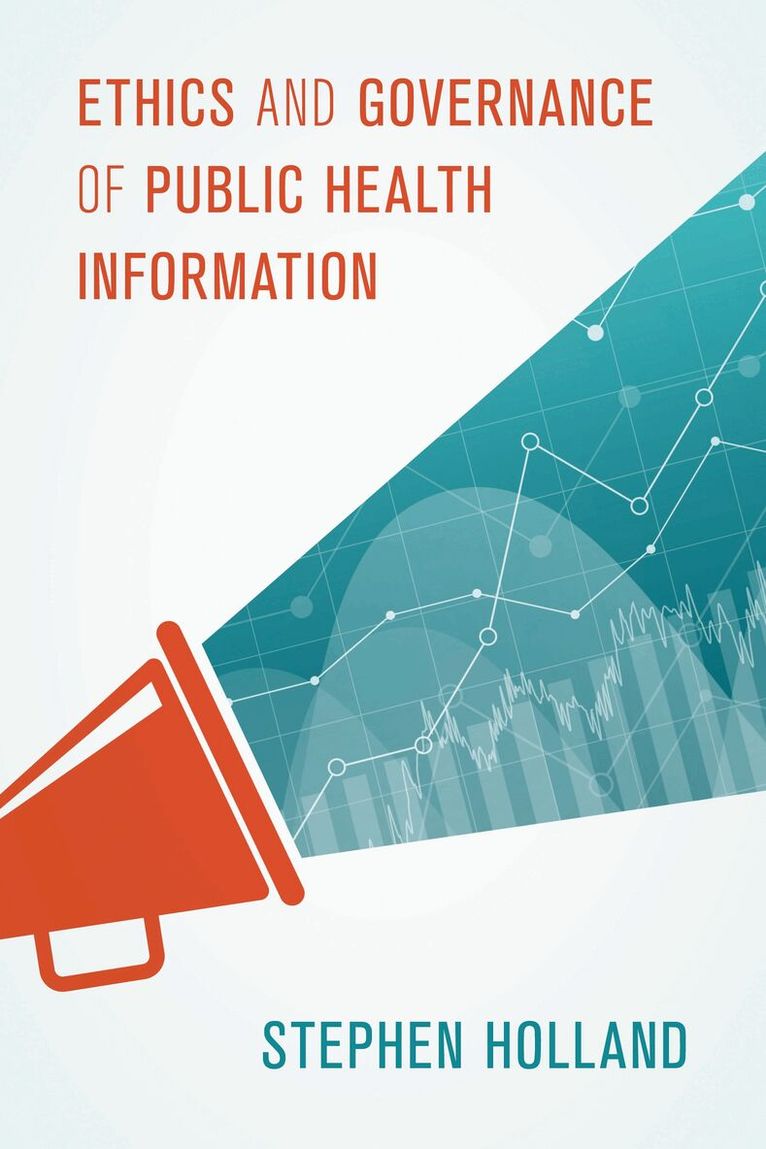
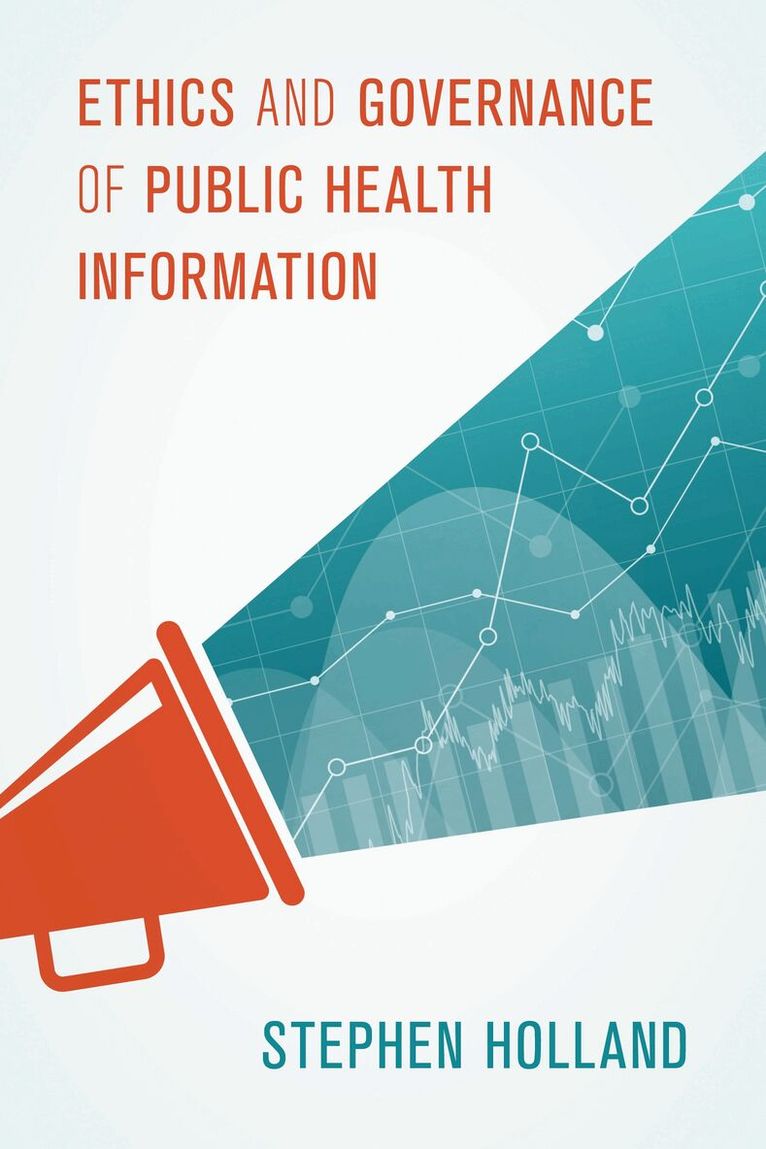
The ethics and governance of health information is a major contemporary problem. The central dilemma is between the social utility gained by exploiting health data for public health purposes, and privacy concerns about collecting and using personal information. There is a discernible tendency in our digital age to prioritise privacy protection over social utility, which results in increasingly restrictive regulation of data, including health data. This book defends public health from this distinctive threat. The book starts with a comprehensive taxonomy of public health information – including a novel take on the notoriously vexed ‘research-practice’ distinction – and a discussion of the best governance arrangements for all public health information. Privacy is clearly central to this, so the concept of privacy is analysed to clarify the sort of privacy concerns relevant to public health information. This reveals that risks and harms associated with identifiable data are overstated – for example, when all public health data are assumed to be equally dangerous. Conversely, resources to manage privacy concerns about public health information are systematically understated. For one thing, public health should continue its traditional reliance on anonymization to protect individual privacy, despite increasingly sophisticated re-identification techniques. Also, the requirement to gain consent from individuals to use their information is offset by a duty to provide personal data for the sake of public health. In the same vein, the book ends with a discussion of trust, arguing that there are underemployed ways of increasing public trust in the institutions responsible for managing public health data.
541 kr
Skickas inom 10-15 vardagar
The ethics and governance of health information is a major contemporary problem. The central dilemma is between the social utility gained by exploiting health data for public health purposes, and privacy concerns about collecting and using personal information. There is a discernible tendency in our digital age to prioritise privacy protection over social utility, which results in increasingly restrictive regulation of data, including health data. This book defends public health from this distinctive threat. The book starts with a comprehensive taxonomy of public health information – including a novel take on the notoriously vexed ‘research-practice’ distinction – and a discussion of the best governance arrangements for all public health information. Privacy is clearly central to this, so the concept of privacy is analysed to clarify the sort of privacy concerns relevant to public health information. This reveals that risks and harms associated with identifiable data are overstated – for example, when all public health data are assumed to be equally dangerous. Conversely, resources to manage privacy concerns about public health information are systematically understated. For one thing, public health should continue its traditional reliance on anonymization to protect individual privacy, despite increasingly sophisticated re-identification techniques. Also, the requirement to gain consent from individuals to use their information is offset by a duty to provide personal data for the sake of public health. In the same vein, the book ends with a discussion of trust, arguing that there are underemployed ways of increasing public trust in the institutions responsible for managing public health data.