Stephen P. Lewis – författare
Visar alla böcker från författaren Stephen P. Lewis. Handla med fri frakt och snabb leverans.
5 produkter
5 produkter
Häftad, Engelska, 2023
578 kr
Skickas inom 5-8 vardagar
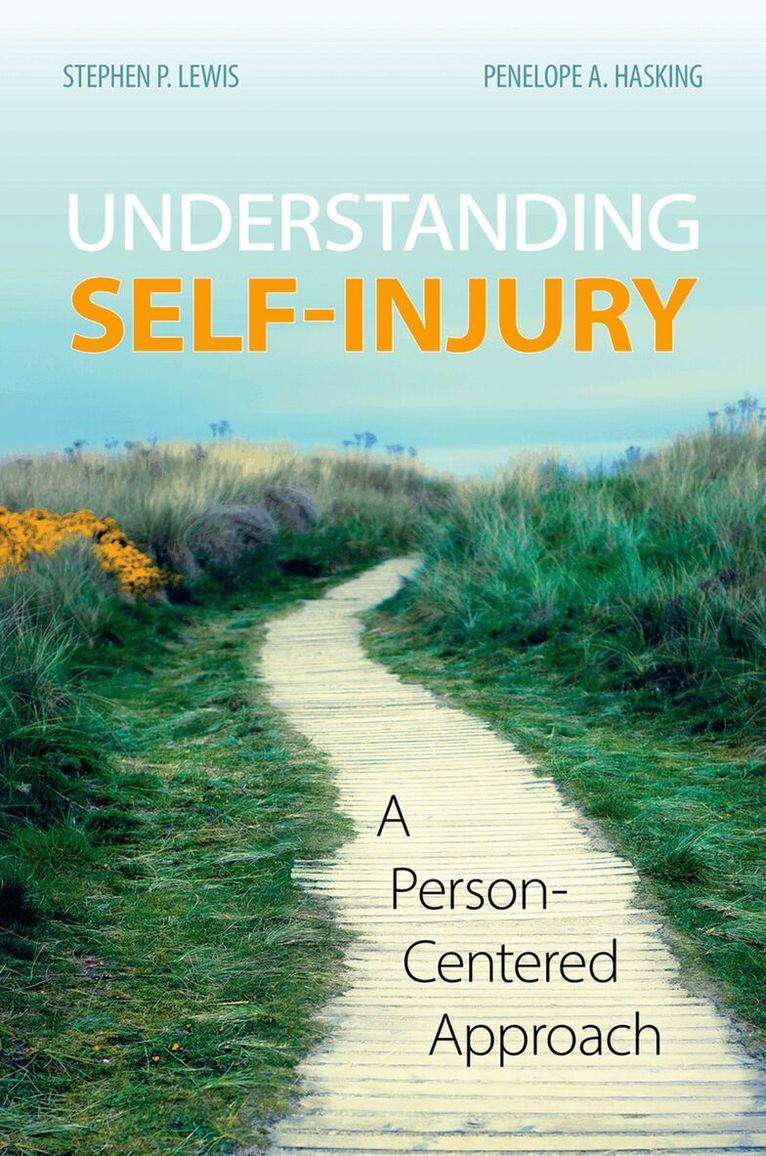
Nonsuicidal self-injury (NSSI), the purposeful damaging of one's own body tissue without suicidal intent, is a common and serious mental health concern. Engagement in self-injury is associated with numerous mental health difficulties such as major depression. Of particular concern is recent evidence indicating that self-injury is a significant risk factor for suicide. Taken together, understanding self-injury and appropriately responding to people who self-injure is critical.Developing a compassionate understanding of self-injury requires not only knowledge of current research but also essential insights from individuals with lived experience. Understanding Self-injury: A Person-Centered Approach offers a significant departure from traditional texts in the field by adopting a person-centered, strengths-based approach to understanding and addressing self-injury. In addition to giving a general introduction to self-injury, this book offers practical tips for families and caregivers, schools, clinicians, and advocates who support individuals who self-injure. Importantly, priority is given to topics that individuals with lived experience of self-injury find central to their experiences, such as stigma, social media, resilience, recovery, and advocacy.This book is a must-read for anyone who interacts with or plays a supportive role in the lives of people who self-injure, including mental health professionals and students, school professionals, families, researchers, and, importantly, individuals with lived experience of self-injury.
E-bok
PDF, Engelska, 2023385 kr
Läs direkt efter köp
Nonsuicidal self-injury (NSSI), the purposeful damaging of one''s own body tissue without suicidal intent, is a common and serious mental health concern. Engagement in self-injury is associated with numerous mental health difficulties such as major depression. Of particular concern is recent evidence indicating that self-injury is a significant risk factor for suicide. Taken together, understanding self-injury and appropriately responding to people who self-injure is critical.Developing a compassionate understanding of self-injury requires not only knowledge of current research but also essential insights from individuals with lived experience. Understanding Self-injury: A Person-Centered Approach offers a significant departure from traditional texts in the field by adopting a person-centered, strengths-based approach to understanding and addressing self-injury. In addition to giving a general introduction to self-injury, this book offers practical tips for families and caregivers, schools, clinicians, and advocates who support individuals who self-injure. Importantly, priority is given to topics that individuals with lived experience of self-injury find central to their experiences, such as stigma, social media, resilience, recovery, and advocacy.This book is a must-read for anyone who interacts with or plays a supportive role in the lives of people who self-injure, including mental health professionals and students, school professionals, families, researchers, and, importantly, individuals with lived experience of self-injury.
E-bok
Engelska, 2023385 kr
Läs direkt efter köp
Nonsuicidal self-injury (NSSI), the purposeful damaging of one''s own body tissue without suicidal intent, is a common and serious mental health concern. Engagement in self-injury is associated with numerous mental health difficulties such as major depression. Of particular concern is recent evidence indicating that self-injury is a significant risk factor for suicide. Taken together, understanding self-injury and appropriately responding to people who self-injure is critical.Developing a compassionate understanding of self-injury requires not only knowledge of current research but also essential insights from individuals with lived experience. Understanding Self-injury: A Person-Centered Approach offers a significant departure from traditional texts in the field by adopting a person-centered, strengths-based approach to understanding and addressing self-injury. In addition to giving a general introduction to self-injury, this book offers practical tips for families and caregivers, schools, clinicians, and advocates who support individuals who self-injure. Importantly, priority is given to topics that individuals with lived experience of self-injury find central to their experiences, such as stigma, social media, resilience, recovery, and advocacy.This book is a must-read for anyone who interacts with or plays a supportive role in the lives of people who self-injure, including mental health professionals and students, school professionals, families, researchers, and, importantly, individuals with lived experience of self-injury.
E-bok
Engelska, 2011153 kr
Läs direkt efter köp
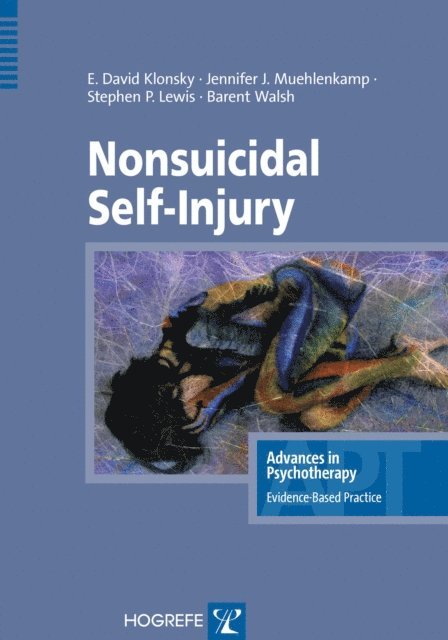
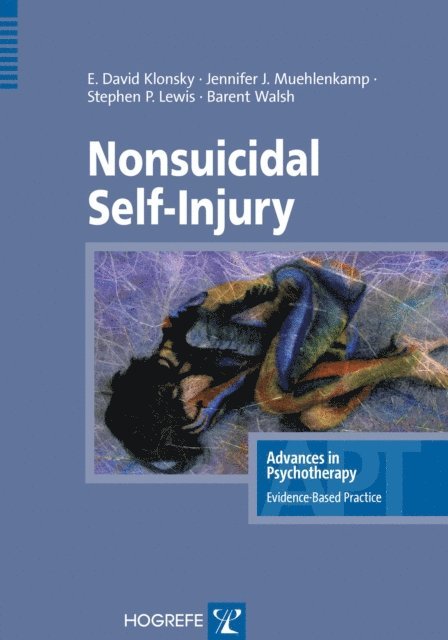
Nonsuicidal self-injury (NSSI) is a baffling, troubling, and hard to treat phenomenon that has increased markedly in recent years. Key issues in diagnosing and treating NSSI adequately include differentiating it from attempted suicide and other mental disorders, as well as understanding the motivations for self-injury and the context in which it occurs. This accessible and practical book provides therapists and students with a clear understanding of these key issues, as well as of suitable assessment techniques. It then goes on to delineate research-informed treatment approaches for NSSI, with an emphasis on functional assessment, emotion regulation, and problem solving, including motivational interviewing, interpersonal skills, CBT, DBT, behavioral management strategies, delay behaviors, exercise, family therapy, risk management, and medication, as well as how to successfully combine methods.
E-bok
PDF, Engelska, 2011149 kr
Läs direkt efter köp
Nonsuicidal self-injury (NSSI) is a baffling, troubling, and hard to treat phenomenon that has increased markedly in recent years. Key issues in diagnosing and treating NSSI adequately include differentiating it from attempted suicide and other mental disorders, as well as understanding the motivations for self-injury and the context in which it occurs. This accessible and practical book provides therapists and students with a clear understanding of these key issues, as well as of suitable assessment techniques. It then goes on to delineate research-informed treatment approaches for NSSI, with an emphasis on functional assessment, emotion regulation, and problem solving, including motivational interviewing, interpersonal skills, CBT, DBT, behavioral management strategies, delay behaviors, exercise, family therapy, risk management, and medication, as well as how to successfully combine methods.