Stephen R. Palmquist – författare
Visar alla böcker från författaren Stephen R. Palmquist. Handla med fri frakt och snabb leverans.
16 produkter
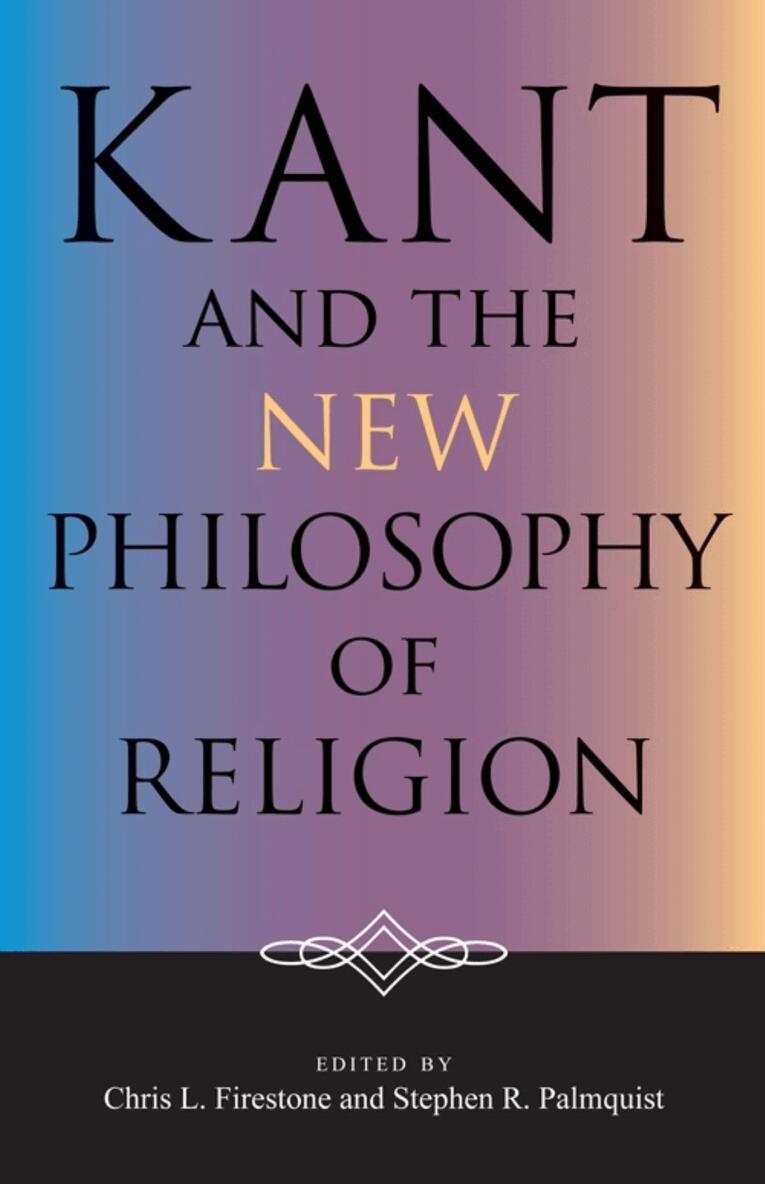
Kant and the New Philosophy of Religion
Av Chris L. Firestone, Stephen R. Palmquist
Häftad, 2006
273 kr
Lägg i varukorg
While earlier work has emphasized Kant's philosophy of religion as thinly disguised morality, this timely and original reappraisal of Kant's philosophy of religion incorporates recent scholarship. In this volume, Chris L. Firestone, Stephen R. Palmquist, and the other contributors make a strong …
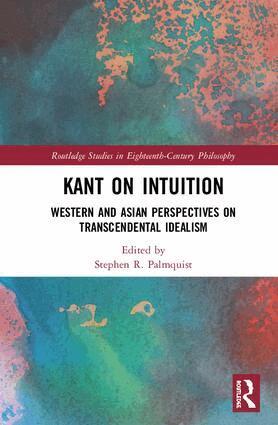
Kant on Intuition
Western and Asian Perspectives on Transcendental Idealism
Häftad, 2020
735 kr
Lägg i varukorg
Kant on Intuition: Western and Asian Perspectives on Transcendental Idealism consists of 20 chapters, many of which feature engagements between Kant and various Asian philosophers. Key themes include the nature of human intuition (not only as theoretical—pure, sensible, and possibly …
Kant on Intuition
Western and Asian Perspectives on Transcendental Idealism
E-bok, 2018
866 kr
Lägg i varukorg
Kant on Intuition: Western and Asian Perspectives on Transcendental Idealism consists of 20 chapters, many of which feature engagements between Kant and various Asian philosophers. Key themes include the nature of human intuition (not only as theoretical—pure, sensible, and possibly …
Kant on Intuition
Western and Asian Perspectives on Transcendental Idealism
E-bok, 2018
847 kr
Lägg i varukorg
Kant on Intuition: Western and Asian Perspectives on Transcendental Idealism consists of 20 chapters, many of which feature engagements between Kant and various Asian philosophers. Key themes include the nature of human intuition (not only as theoretical—pure, sensible, and possibly …
Comprehensive Commentary on Kant's Religion Within the Bounds of Bare Reason
Inbunden, 2015
2365 kr
Lägg i varukorg
Palmquist’s Commentary provides the first definitive clarification on Kant’s Philosophy of Religion in English; it includes the full text of Pluhar’s translation, interspersed with explanations, providing both a detailed overview and an original interpretation of Kant’s work. Offers definitive, …
Comprehensive Commentary on Kant's Religion Within the Bounds of Bare Reason
E-bok, 2015
605 kr
Lägg i varukorg
Palmquist’s Commentary provides the first definitive clarification on Kant’s Philosophy of Religion in English; it includes the full text of Pluhar’s translation, interspersed with explanations, providing both a detailed overview and an original interpretation of Kant’s work. Offers definitive, …
Comprehensive Commentary on Kant's Religion Within the Bounds of Bare Reason
E-bok, 2015
605 kr
Lägg i varukorg
Palmquist’s Commentary provides the first definitive clarification on Kant’s Philosophy of Religion in English; it includes the full text of Pluhar’s translation, interspersed with explanations, providing both a detailed overview and an original interpretation of Kant’s work. Offers definitive, …
Comprehensive Commentary on Kant's Religion Within the Bounds of Bare Reason
Häftad, 2021
540 kr
Lägg i varukorg
Palmquist’s Commentary provides the first definitive clarification on Kant’s Philosophy of Religion in English; it includes the full text of Pluhar’s translation, interspersed with explanations, providing both a detailed overview and an original interpretation of Kant’s work. Offers definitive, …
Kant on Intuition
Western and Asian Perspectives on Transcendental Idealism
Inbunden, 2018
2520 kr
Lägg i varukorg
Kant on Intuition: Western and Asian Perspectives on Transcendental Idealism consists of 20 chapters, many of which feature engagements between Kant and various Asian philosophers. Key themes include the nature of human intuition (not only as theoretical—pure, sensible, and possibly …
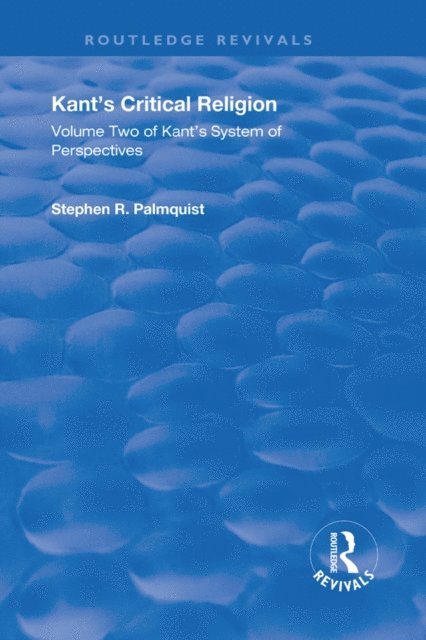
Kant's Critical Religion
Volume Two of Kant's "System of Perspectives"
Häftad, 2020
824 kr
Lägg i varukorg
This title was first published in 2000. Applying the new perspectival method of interpreting Kant he expounded in earlier works, Palmquist examines a broad range of Kant's philosophical writings to present a fresh view of his thought on theology, religion, and religious experience.
Kant's Critical Religion
Volume Two of Kant's "System of Perspectives"
Inbunden, 2019
2517 kr
Lägg i varukorg
This title was first published in 2000. Applying the new perspectival method of interpreting Kant he expounded in earlier works, Palmquist examines a broad range of Kant's philosophical writings to present a fresh view of his thought on theology, religion, and religious experience.
Kant's Critical Religion
Volume Two of Kant''s "System of Perspectives"
E-bok, 2019
970 kr
Lägg i varukorg
This title was first published in 2000. Applying the new perspectival method of interpreting Kant he expounded in earlier works, Palmquist examines a broad range of Kant''s philosophical writings to present a fresh view of his thought on theology, religion, and religious experience.
Kant's Critical Religion
Volume Two of Kant''s "System of Perspectives"
E-bok, 2019
949 kr
Lägg i varukorg
This title was first published in 2000. Applying the new perspectival method of interpreting Kant he expounded in earlier works, Palmquist examines a broad range of Kant''s philosophical writings to present a fresh view of his thought on theology, religion, and religious experience.
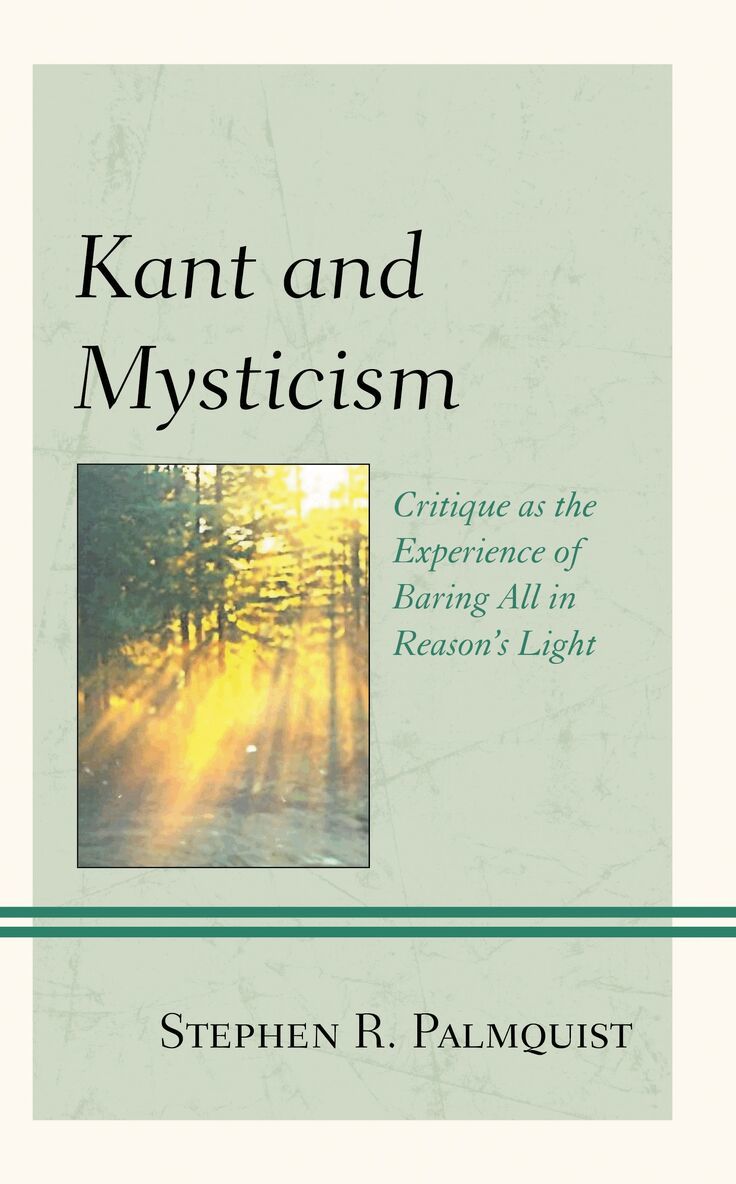
Kant and Mysticism
Critique as the Experience of Baring All in Reason's Light
Häftad, 2022
517 kr
Lägg i varukorg
What is happening when someone has a mystical experience, such as “feeling at one with the universe” or “hearing God’s voice?” Does philosophy provide tools for assessing such claims? Which claims can be dismissed as delusions and which ones convey genuine truths that might be universally …
Cultivating Personhood: Kant and Asian Philosophy
Inbunden, 2010
3192 kr
Lägg i varukorg
Authors from all over the world unite in an effort to cultivate dialogue between Asian and Western philosophy. The papers forge a new, East-West comparative path on the whole range of issues in Kant studies. The concept of personhood, crucial for both traditions, serves as a springboard to address …
Cultivating Personhood: Kant and Asian Philosophy
E-bok, 2010
3230 kr
Lägg i varukorg
Authors from all over the world unite in an effort to cultivate dialogue between Asian and Western philosophy. The papers forge a new, East-West comparative path on the whole range of issues in Kant studies. The concept of personhood, crucial for both traditions, serves as a springboard to address …