Stephen Tankel – författare
Visar alla böcker från författaren Stephen Tankel. Handla med fri frakt och snabb leverans.
4 produkter
4 produkter
E-bok
PDF, Engelska, 2014180 kr
Läs direkt efter köp
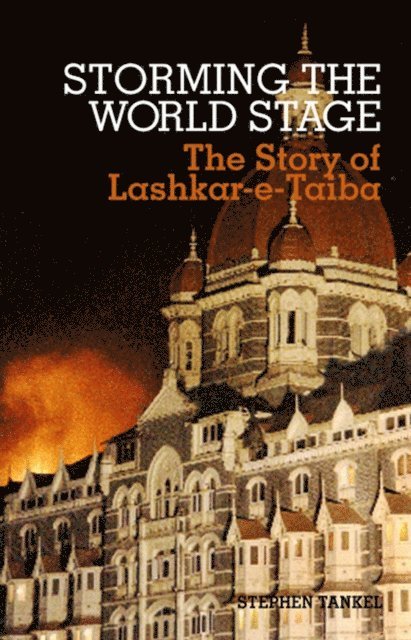
Lashkar-e-Taiba is among the most powerful militants groups in South Asia and increasingly viewed as a global terrorist threat on par with al-Qaeda. Considered Pakistan''s most powerful proxy against India, the group gained public prominence after its deadly ten-person suicide assault on Mumbai in November 2008. By the time the last Lashkar terrorist was dead after nearly 60 hours, it appeared the world was facing a new menace. Boasting transnational networks stretching across several continents, there has been serious debate since 9/11 of whether Lashkar is an al-Qaeda affiliate. The deliberate targeting of Westerners and Jews during the Mumbai attacks raised questions about whether Lashkar was moving deeper into al-Qaeda''s orbit and perhaps on a trajectory to displace Osama bin Laden''s network as the next major global jihadi threat. Lashkar''s expansion has serious security implications for India, Pakistan, Europe and the United States and its activities threaten to damage US-Pakistan relations. Despite growing calls for action, Pakistan is yet to take any serious steps toward dismantling Lashkar for fear of drawing it further into the insurgency raging there and because of its continued utility against India. More than a militant outfit, Lashkar also controls a vast infrastructure that delivers necessary social services to the Pakistani populace, making it all the more difficult to dismantle. Storming the World Stage traces the evolution of Lashkar-e-Taiba over more than two decades to illustrate how the group grew so powerful and to assess the threat it poses to India, the West and to Pakistan itself. The first English-language book ever written about Lashkar, it draws on in-depth field research, including interviews with senior Lashkar leaders, rank-and-file members, and officials of the Pakistani security services--some of who have helped nurture the group over the years.
E-bok
Engelska, 2014178 kr
Läs direkt efter köp
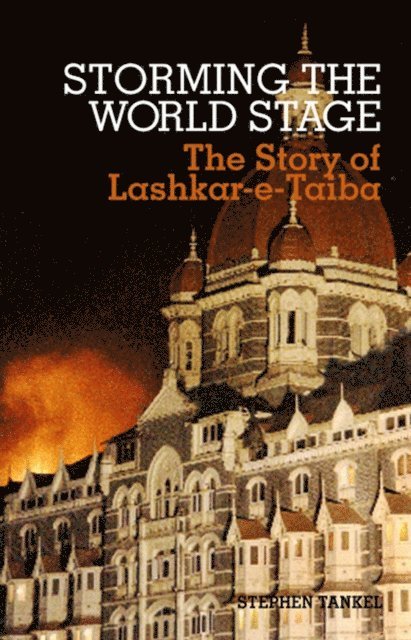
Lashkar-e-Taiba is among the most powerful militants groups in South Asia and increasingly viewed as a global terrorist threat on par with al-Qaeda. Considered Pakistan''s most powerful proxy against India, the group gained public prominence after its deadly ten-person suicide assault on Mumbai in November 2008. By the time the last Lashkar terrorist was dead after nearly 60 hours, it appeared the world was facing a new menace. Boasting transnational networks stretching across several continents, there has been serious debate since 9/11 of whether Lashkar is an al-Qaeda affiliate. The deliberate targeting of Westerners and Jews during the Mumbai attacks raised questions about whether Lashkar was moving deeper into al-Qaeda''s orbit and perhaps on a trajectory to displace Osama bin Laden''s network as the next major global jihadi threat. Lashkar''s expansion has serious security implications for India, Pakistan, Europe and the United States and its activities threaten to damage US-Pakistan relations. Despite growing calls for action, Pakistan is yet to take any serious steps toward dismantling Lashkar for fear of drawing it further into the insurgency raging there and because of its continued utility against India. More than a militant outfit, Lashkar also controls a vast infrastructure that delivers necessary social services to the Pakistani populace, making it all the more difficult to dismantle. Storming the World Stage traces the evolution of Lashkar-e-Taiba over more than two decades to illustrate how the group grew so powerful and to assess the threat it poses to India, the West and to Pakistan itself. The first English-language book ever written about Lashkar, it draws on in-depth field research, including interviews with senior Lashkar leaders, rank-and-file members, and officials of the Pakistani security services--some of who have helped nurture the group over the years.
Inbunden, Engelska, 2018
763 kr
Skickas
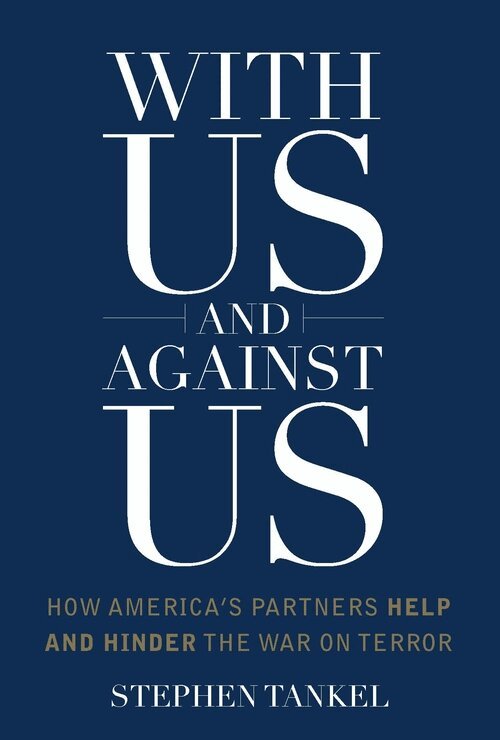
In the wake of the September 11 attacks, President George W. Bush drew a line in the sand, saying, “Either you are with us or you are with the terrorists.” Since 9/11, many counterterrorism partners have been both “with” and “against” the United States, helping it in some areas and hindering it in others. This has been especially true in the Middle East, Africa, and South Asia, where the terrorist groups that threaten America are most concentrated. Because so many aspects of U.S. counterterrorism strategy are dependent on international cooperation, the United States has little choice but to work with other countries. Making the most of these partnerships is fundamental to the success of the War on Terror. Yet what the United States can reasonably expect from its counterterrorism partners—and how to get more out of them—remain too little understood.In With Us and Against Us, Stephen Tankel analyzes the factors that shape counterterrorism cooperation, examining the ways partner nations aid international efforts, as well as the ways they encumber and impede effective action. He considers the changing nature of counterterrorism, exploring how counterterrorism efforts after 9/11 critically differ both from those that existed beforehand and from traditional alliances. Focusing on U.S. partnerships with Algeria, Egypt, Mali, Pakistan, Saudi Arabia and Yemen against al-Qaeda, ISIS, and other terrorist organizations, Tankel offers nuanced propositions about what the U.S. can expect from its counterterrorism partners depending on their political and security interests, threat perceptions, and their relationships with the United States and with the terrorists in question. With Us and Against Us offers a theoretically rich and policy-relevant toolkit for assessing and improving counterterrorism cooperation, devising strategies for mitigating risks, and getting the most out of difficult partnerships.
Häftad, Engelska, 2018
299 kr
Skickas inom 5-8 vardagar
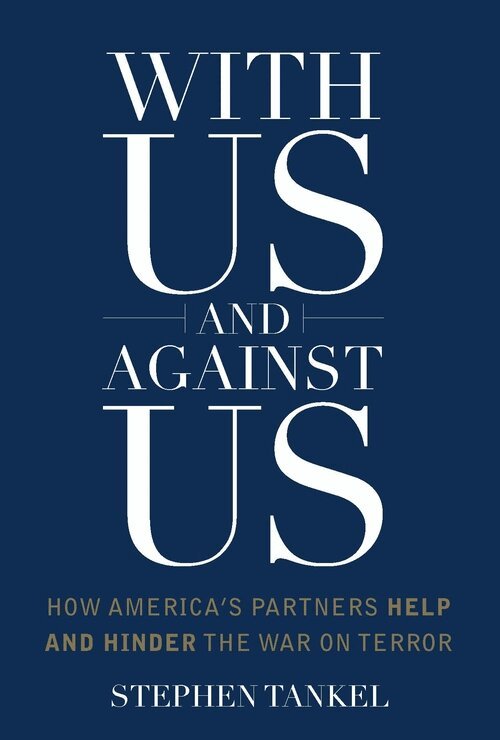
In the wake of the September 11 attacks, President George W. Bush drew a line in the sand, saying, “Either you are with us or you are with the terrorists.” Since 9/11, many counterterrorism partners have been both “with” and “against” the United States, helping it in some areas and hindering it in others. This has been especially true in the Middle East, Africa, and South Asia, where the terrorist groups that threaten America are most concentrated. Because so many aspects of U.S. counterterrorism strategy are dependent on international cooperation, the United States has little choice but to work with other countries. Making the most of these partnerships is fundamental to the success of the War on Terror. Yet what the United States can reasonably expect from its counterterrorism partners—and how to get more out of them—remain too little understood.In With Us and Against Us, Stephen Tankel analyzes the factors that shape counterterrorism cooperation, examining the ways partner nations aid international efforts, as well as the ways they encumber and impede effective action. He considers the changing nature of counterterrorism, exploring how counterterrorism efforts after 9/11 critically differ both from those that existed beforehand and from traditional alliances. Focusing on U.S. partnerships with Algeria, Egypt, Mali, Pakistan, Saudi Arabia and Yemen against al-Qaeda, ISIS, and other terrorist organizations, Tankel offers nuanced propositions about what the U.S. can expect from its counterterrorism partners depending on their political and security interests, threat perceptions, and their relationships with the United States and with the terrorists in question. With Us and Against Us offers a theoretically rich and policy-relevant toolkit for assessing and improving counterterrorism cooperation, devising strategies for mitigating risks, and getting the most out of difficult partnerships.