Steve Cropper - Böcker
Visar alla böcker från författaren Steve Cropper. Handla med fri frakt och snabb leverans.
5 produkter
5 produkter
2 440 kr
Skickas inom 7-10 vardagar
Inter-Organizational Relations (IOR), the study of Strategic Alliances, Joint Ventures, Partnerships, Networks and other forms of relationship between organizations, is a field of study that has burgeoned over the last four decades, but is fragmented, drawing contributions from a wide variety of disciplines, theoretical bases, and sectoral interests. The Oxford Handbook of Inter-Organizational Relations provides a structured overview of the field. With contributions from leading international experts on their particular areas of expertise, it is an authoritative introduction to its research findings.The material is organized in three main sections. The first relates to research that focuses on particular manifestations of IORs such as industry, supply, policy and project networks, public and voluntary sector partnerships, strategic alliances, and so on. The second section relates to research that stems from distinct disciplinary or theoretical bases, including social networks, evolutionary theory, transaction cost economics, management process, psychology, critical theory political theory, economic geography, and the legal perspective. The third section focuses on key topics in contemporary IOR topics - or those that will become so in the future. These include, trust, power, development interventions, social capital, learning and knowledge, dynamics and change, and evaluation.
733 kr
Skickas inom 5-8 vardagar
Inter-Organizational Relations (IOR), the study of Strategic Alliances, Joint Ventures, Partnerships, Networks and other forms of relationship between organizations, is a field of study that has burgeoned over the last four decades, but is fragmented, drawing contributions from a wide variety of disciplines, theoretical bases, and sectoral interests. The Oxford Handbook of Inter-Organizational Relations provides a structured overview of the field. With contributions from leading international experts on their particular areas of expertise, it is an authoritative introduction to its research findings. The material is organized in three main sections. The first relates to research that focuses on particular manifestations of IORs such as industry, supply, policy and project networks, public and voluntary sector partnerships, strategic alliances, and so on. The second section relates to research that stems from distinct disciplinary or theoretical bases, including social networks, evolutionary theory, transaction cost economics, management process, psychology, critical theory political theory, economic geography, and the legal perspective. The third section focuses on key topics in contemporary IOR - or those that will become so in the future. These include, trust, power, development interventions, social capital, learning and knowledge, dynamics and change, and evaluation.
198 kr
Skickas inom 7-10 vardagar
413 kr
Skickas inom 7-10 vardagar
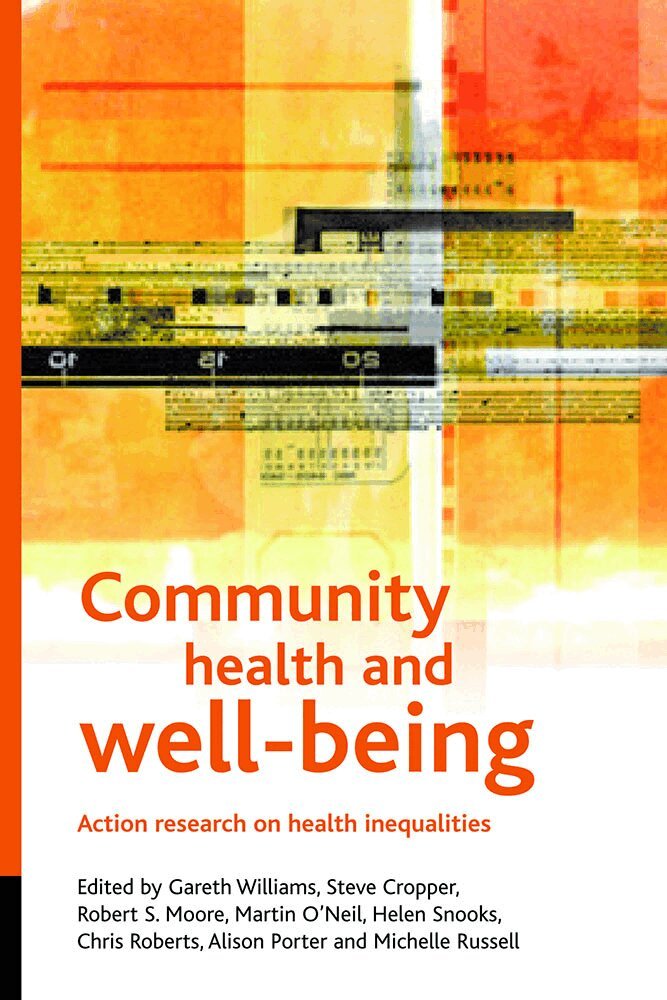
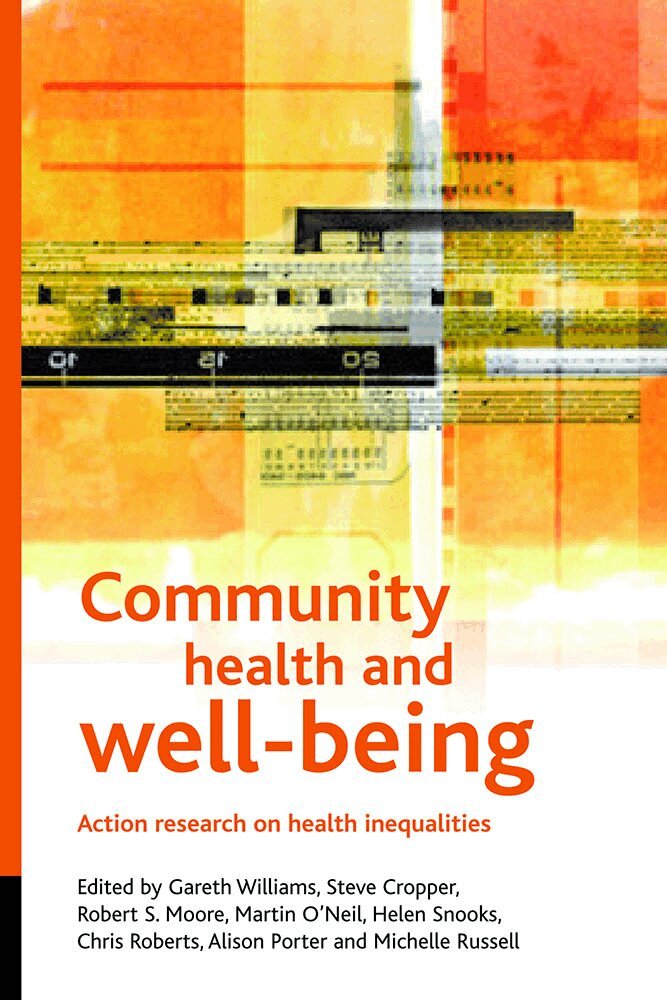
Improving health in populations in which health is poor is a complex process. This book argues that the traditional government approach of exhorting individuals to live healthier lifestyles is not enough - action to promote public health needs to take place not just through public agencies, but also by engaging community assets and resources in their broadest sense.The book reports lessons from the experience of planning, establishing and delivering such action by the five-year Sustainable Health Action Research Programme (SHARP) in Wales. It critically examines the experience of SHARP in relation to current literature on policy; community health and health inequalities; and action research. The authors make clear how this regional development has produced opportunities for developing general concepts and theory about community-based policy developments that are relevant across national boundaries and show that complex and sustained community action, and effective local partnership, are fundamental components of the mix of factors required to address health inequalities successfully.The book concludes by indicating the connections between SHARP and earlier traditions of community-based action, and by arguing that we need to be bolder in our approaches to community-based health improvement and more flexible in our understanding of the ways in which knowledge and inform developments in health policy.The book will be of interest to practitioners and activists working in community-based projects; students in community development, health studies and medical sociology; professionals working in health promotion, community nursing and allied areas; and policy makers working at local, regional and national levels.
1 226 kr
Skickas inom 7-10 vardagar
Improving health in populations in which health is poor is a complex process. This book argues that the traditional government approach of exhorting individuals to live healthier lifestyles is not enough - action to promote public health needs to take place not just through public agencies, but also by engaging community assets and resources in their broadest sense.The book reports lessons from the experience of planning, establishing and delivering such action by the five-year Sustainable Health Action Research Programme (SHARP) in Wales. It critically examines the experience of SHARP in relation to current literature on policy; community health and health inequalities; and action research. The authors make clear how this regional development has produced opportunities for developing general concepts and theory about community-based policy developments that are relevant across national boundaries and show that complex and sustained community action, and effective local partnership, are fundamental components of the mix of factors required to address health inequalities successfully.The book concludes by indicating the connections between SHARP and earlier traditions of community-based action, and by arguing that we need to be bolder in our approaches to community-based health improvement and more flexible in our understanding of the ways in which knowledge and inform developments in health policy.The book will be of interest to practitioners and activists working in community-based projects; students in community development, health studies and medical sociology; professionals working in health promotion, community nursing and allied areas; and policy makers working at local, regional and national levels.