Steven A. Symes - Böcker
Visar alla böcker från författaren Steven A. Symes. Handla med fri frakt och snabb leverans.
4 produkter
4 produkter
874 kr
Skickas inom 7-10 vardagar
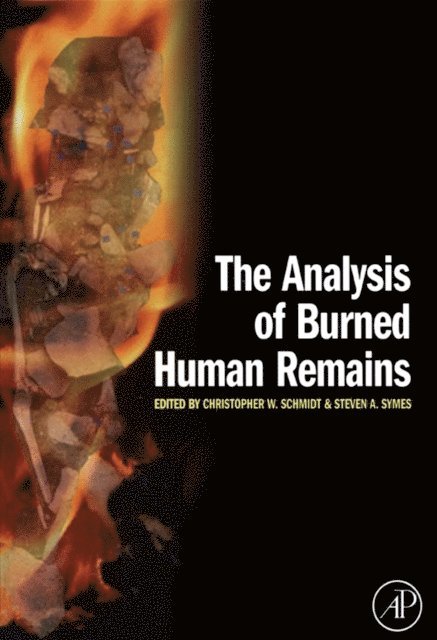
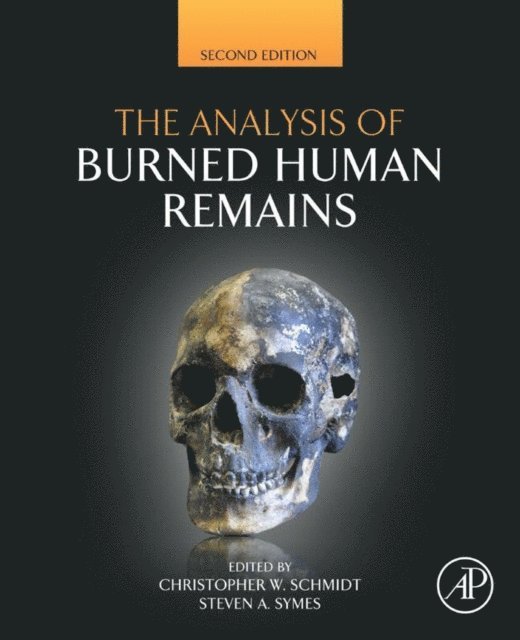
The Analysis of Burned Human Remains, Second Edition, provides a primary source for osteologists and the medical/legal community for the understanding of burned bone remains in forensic or archaeological contexts. It describes in detail the changes in human bone and soft tissues as a body burns at both the chemical and gross levels and provides an overview of the current procedures in burned bone study. Case studies in forensic and archaeological settings aid those interested in the analysis of burned human bodies, from death scene investigators to biological anthropologists. A timely state-of-the-art analyses of burned bone studies for bioarchaeologists and forensic anthropologists Covers the diagnostic patterning of color changes, the positioning of the body, and presence (or absence of soft tissues during the burning event Chapters on bones and teeth give step-by-step recommendations for hot to study and recognize burned hard tissues New chapters include improved analyses of thermally induced impacts on bone microstructure, development, and appearance; they also cover sites from a greater geographic range adding Alaska, Italy, Jordan, Mexico, and Southeast Asia
1 213 kr
Kommande
2 166 kr
Skickas inom 10-15 vardagar
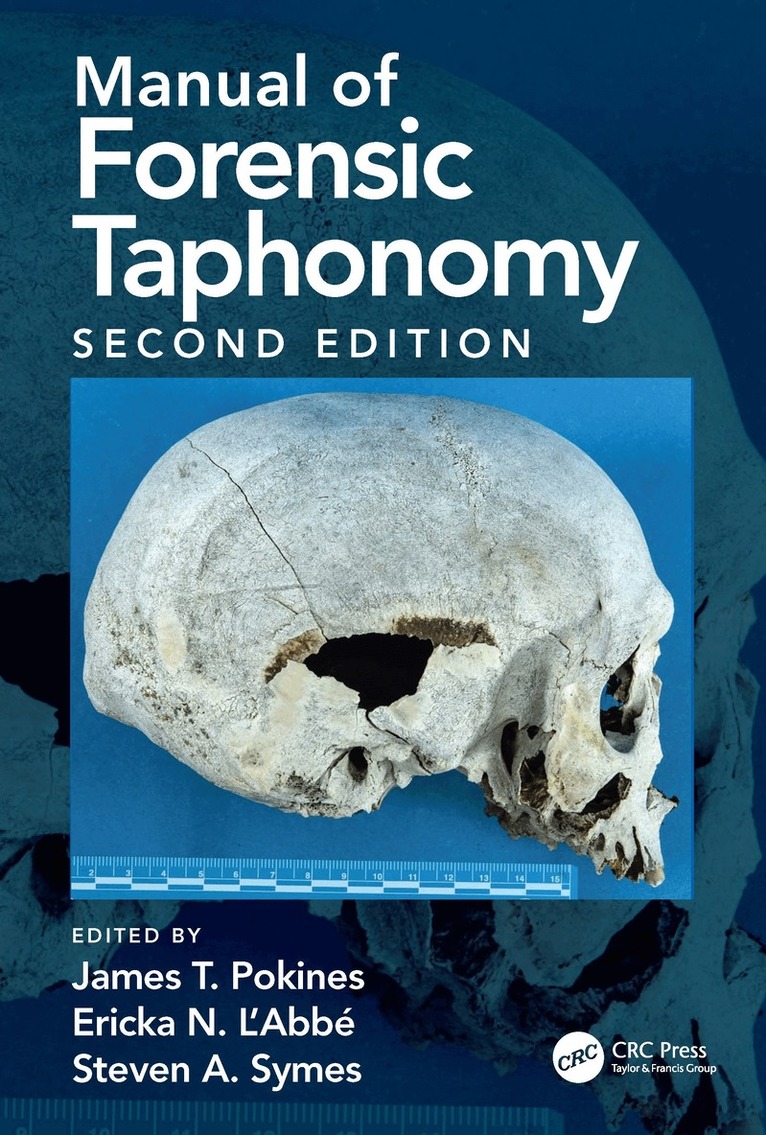
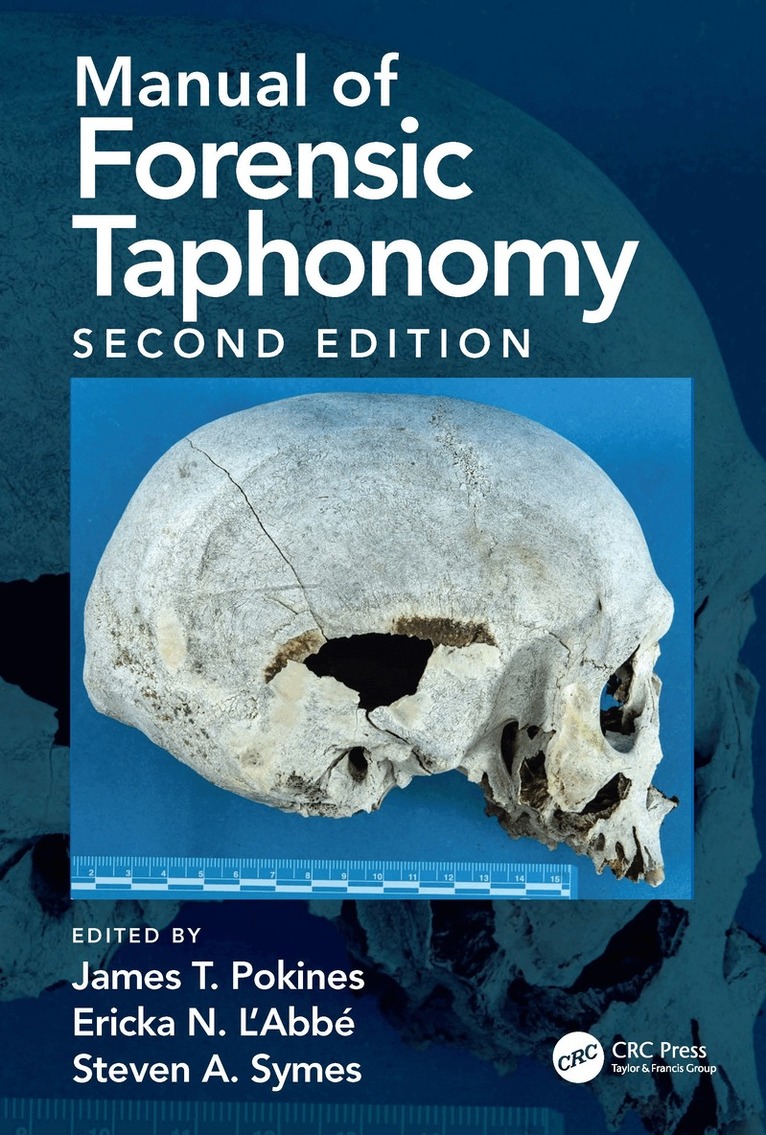
The main goals in any forensic skeletal analysis are to answer who is the person represented (individualization), how that person died (trauma/pathology) and when that person died (the postmortem interval or PMI). The analyses necessary to generate the biological profile include the determination of human, nonhuman or nonosseous origin, the minimum number of individuals represented, age at death, sex, stature, ancestry, perimortem trauma, antemortem trauma, osseous pathology, odontology, and taphonomic effects—the postmortem modifications to a set of remains.The Manual of Forensic Taphonomy, Second Edition covers the fundamental principles of these postmortem changes encountered during case analysis. Taphonomic processes can be highly destructive and subtract information from bones regarding their utility in determining other aspects of the biological profile, but they also can add information regarding the entire postmortem history of the remains and the relative timing of those effects. The taphonomic analyses outlined provide guidance on how to separate natural agencies from human-caused trauma. These analyses are also performed in conjunction with the field processing of recovery scenes and the interpretation of the site formation and their postdepositional history.The individual chapters categorize these alterations to skeletal remains, illustrate and explain their significance, and demonstrate differential diagnosis among them. Such observations may then be combined into higher-order patterns to aid forensic investigators in determining what happened to those remains in the interval from death to analysis, including the environment(s) in which the remains were deposited, including buried, terrestrial surface, marine, freshwater, or cultural contexts.FeaturesProvides nearly 300 full-color illustrations of both common and rare taphonomic effects to bones, derived from actual forensic cases• Presents new research including experimentation on recovery rates during surface search, timing of marine alterations, trophy skulls, taphonomic laboratory and field methods, laws regarding the relative timing of taphonomic effects, reptile taphonomy, human decomposition, and microscopic alterations by invertebrates to bones• Explains and illustrates common taphonomic effects and clarifies standard terminology for uniformity and usage within in the fieldWhile the book is primarily focused upon large vertebrate and specifically human skeletal remains, it effectively synthesizes data from human, ethological, geological/paleontological, paleoanthropological, archaeological artifactual, and zooarchaeological studies. Since these taphonomic processes affect other vertebrates in similar manners, The Manual of Forensic Taphonomy, Second Edition will be invaluable to a broad set of forensic and investigative disciplines.
1 118 kr
Skickas inom 10-15 vardagar
The main goals in any forensic skeletal analysis are to answer who is the person represented (individualization), how that person died (trauma/pathology) and when that person died (the postmortem interval or PMI). The analyses necessary to generate the biological profile include the determination of human, nonhuman or nonosseous origin, the minimum number of individuals represented, age at death, sex, stature, ancestry, perimortem trauma, antemortem trauma, osseous pathology, odontology, and taphonomic effects—the postmortem modifications to a set of remains.The Manual of Forensic Taphonomy, Second Edition covers the fundamental principles of these postmortem changes encountered during case analysis. Taphonomic processes can be highly destructive and subtract information from bones regarding their utility in determining other aspects of the biological profile, but they also can add information regarding the entire postmortem history of the remains and the relative timing of those effects. The taphonomic analyses outlined provide guidance on how to separate natural agencies from human-caused trauma. These analyses are also performed in conjunction with the field processing of recovery scenes and the interpretation of the site formation and their postdepositional history.The individual chapters categorize these alterations to skeletal remains, illustrate and explain their significance, and demonstrate differential diagnosis among them. Such observations may then be combined into higher-order patterns to aid forensic investigators in determining what happened to those remains in the interval from death to analysis, including the environment(s) in which the remains were deposited, including buried, terrestrial surface, marine, freshwater, or cultural contexts.FeaturesProvides nearly 300 full-color illustrations of both common and rare taphonomic effects to bones, derived from actual forensic cases• Presents new research including experimentation on recovery rates during surface search, timing of marine alterations, trophy skulls, taphonomic laboratory and field methods, laws regarding the relative timing of taphonomic effects, reptile taphonomy, human decomposition, and microscopic alterations by invertebrates to bones• Explains and illustrates common taphonomic effects and clarifies standard terminology for uniformity and usage within in the fieldWhile the book is primarily focused upon large vertebrate and specifically human skeletal remains, it effectively synthesizes data from human, ethological, geological/paleontological, paleoanthropological, archaeological artifactual, and zooarchaeological studies. Since these taphonomic processes affect other vertebrates in similar manners, The Manual of Forensic Taphonomy, Second Edition will be invaluable to a broad set of forensic and investigative disciplines.