Steven J. Cooke – författare
Visar alla böcker från författaren Steven J. Cooke. Handla med fri frakt och snabb leverans.
5 produkter
Conservation Physiology for the Anthropocene - A Systems Approach
Av Steven J. Cooke, Nann A. Fangue
Inbunden, 2022
1539 kr
Lägg i varukorg
Conservation Physiology for the Anthropocene: A Systems Approach, Volume 39A in the Fish Physiology series, is a comprehensive synthesis on the physiology of fish in the Anthropocene. This volume closes the knowledge gap by considering the many ways in which different physiological systems (e.g., …
Conservation Physiology for the Anthropocene - Issues and Applications
Av Nann A. Fangue, Steven J. Cooke
Inbunden, 2022
1360 kr
Lägg i varukorg
Conservation Physiology for the Anthropocene - A Systems Approach, Volume 39B in the Fish Physiology series, is a comprehensive synthesis related to the physiology of fish in the Anthropocene. This volume helps solve knowledge gaps by considering the many ways in which different physiological …
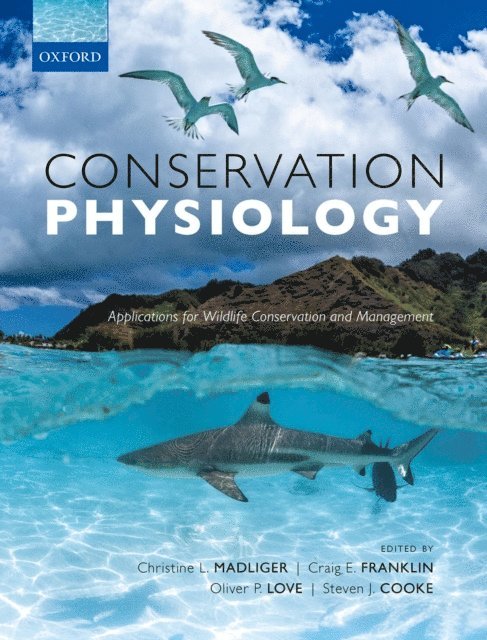
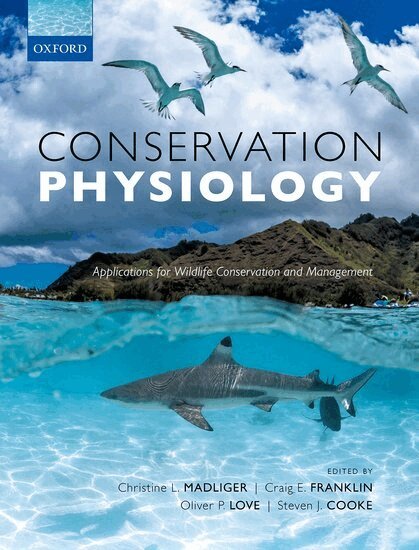
Conservation Physiology
Applications for Wildlife Conservation and Management
Av Steven J. Cooke, Oliver P. Love m. fl.
E-bok, 2020
408 kr
Lägg i varukorg
Conservation physiology is a rapidly expanding, multidisciplinary field that utilizes physiological knowledge and tools to understand and solve conservation challenges. This novel text provides the first consolidated overview of its scope, purpose, and applications, with a focus on wildlife. It …
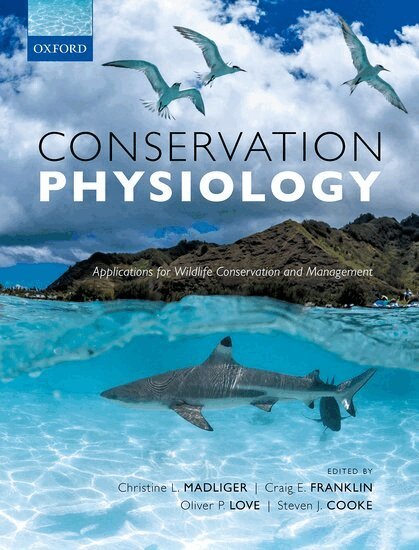
Conservation Physiology
Applications for Wildlife Conservation and Management
Av Christine L. Madliger, Craig E. Franklin m. fl.
Inbunden, 2020
1800 kr
Lägg i varukorg
Conservation physiology is a rapidly expanding, multidisciplinary field that utilizes physiological knowledge and tools to understand and solve conservation challenges. This novel text provides the first consolidated overview of its scope, purpose, and applications, with a focus on wildlife. It …
Conservation Physiology
Applications for Wildlife Conservation and Management
Av Madliger Et Al, Christine L. Madliger m. fl.
Häftad, 2020
502 kr
Lägg i varukorg
Conservation physiology is a rapidly expanding, multidisciplinary field that utilizes physiological knowledge and tools to understand and solve conservation challenges. This novel text provides the first consolidated overview of its scope, purpose, and applications, with a focus on wildlife. It …