Steven Saxonberg – författare
Visar alla böcker från författaren Steven Saxonberg. Handla med fri frakt och snabb leverans.
21 produkter
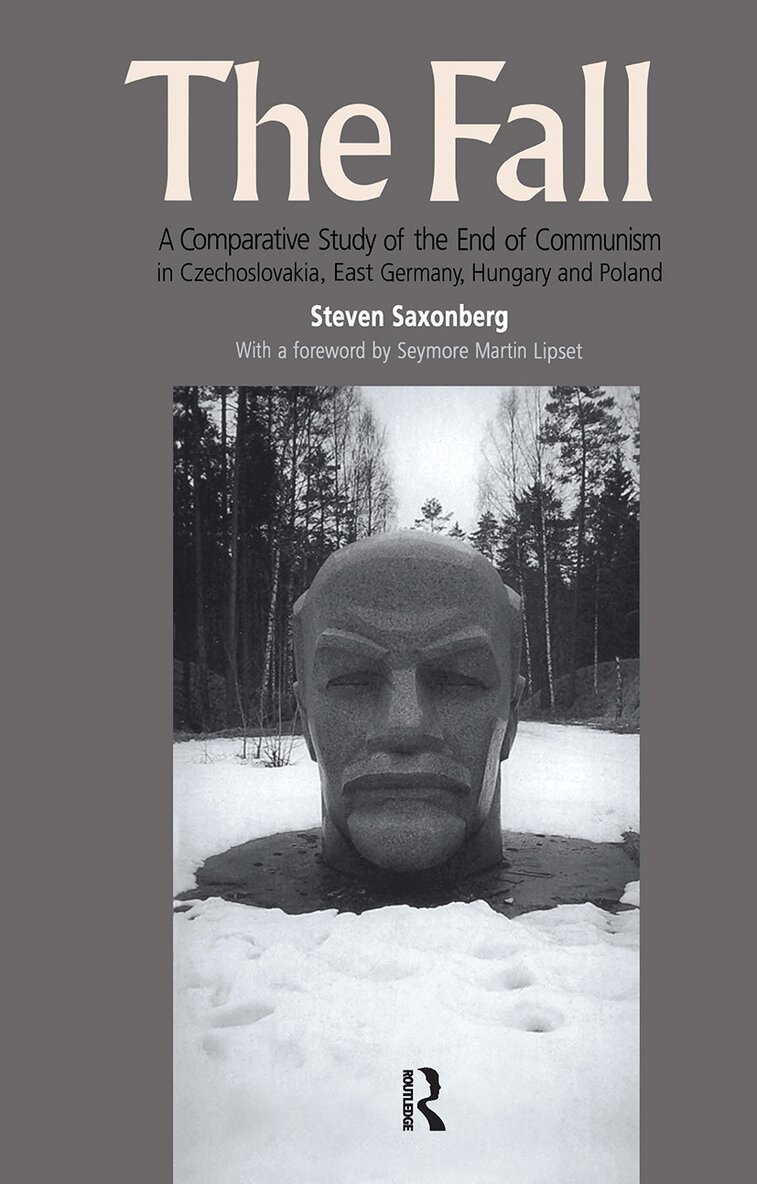
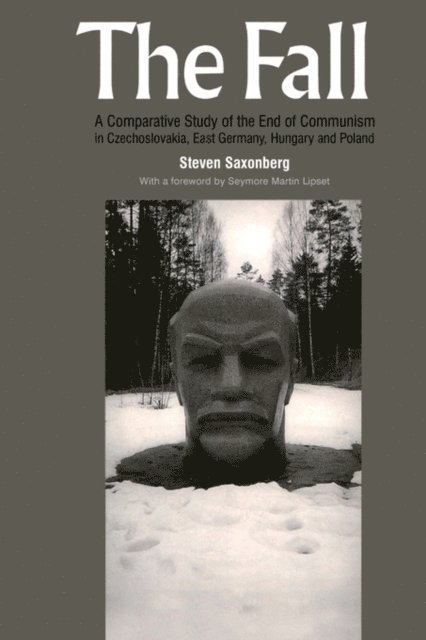
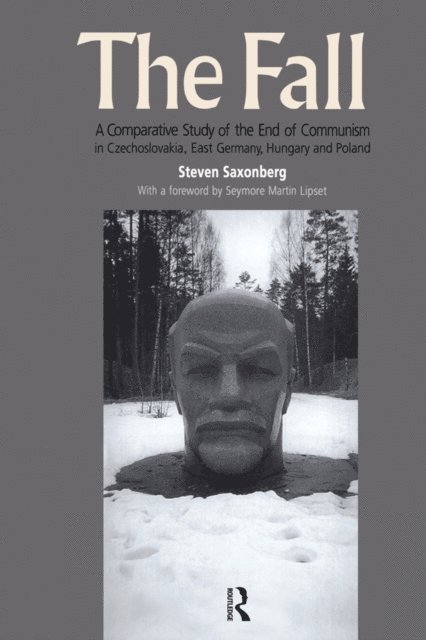
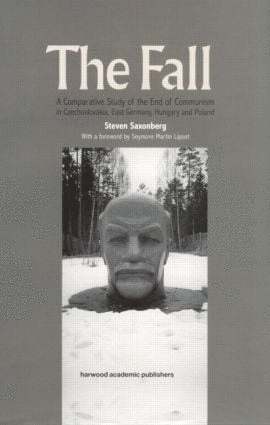
Fall
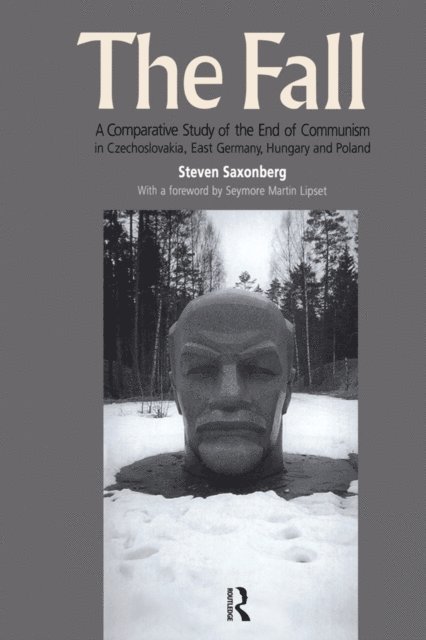
A Comparative Study of the End of Communism in Czechoslovakia, East Germany, Hungary and Poland
Häftad, 2004
942 kr
Lägg i varukorg
With a foreword by Seymour Lipset, Hoover Institution and George Mason University, USAThe Fall examines one of the twentieth century's great historical puzzles: why did the communist-led regimes in Eastern Europe collapse so quickly and why was the process of collapse so different from country to …
Social Movements in Post-Communist Europe and Russia
Av Kerstin Jacobsson, Steven Saxonberg
Häftad, 2024
651 kr
Lägg i varukorg
This volume provides a much needed update on the state of civil society in post-communist Europe and Russia more than two decades after the fall of the communist regimes. The chapters offer new perspectives on social movement strategies in post-communist Central-Eastern Europe and Russia. The …
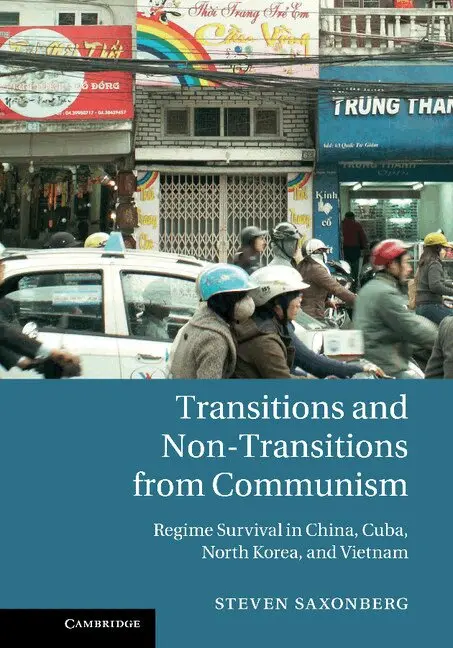
Transitions and Non-Transitions from Communism
Regime Survival in China, Cuba, North Korea, and Vietnam
Inbunden, 2013
1921 kr
Lägg i varukorg
Since the fall of the Berlin Wall, many scholars have sought to explain the collapse of communism. Yet, more than two decades on, communist regimes continue to rule in a diverse set of countries including China, Cuba, North Korea, and Vietnam. In a unique study of fourteen countries, Steven …
Fall
A Comparative Study of the End of Communism in Czechoslovakia, East Germany, Hungary and Poland
E-bok, 2013
1030 kr
Lägg i varukorg
With a foreword by Seymour Lipset, Hoover Institution and George Mason University, USA The Fall examines one of the twentieth century''s great historical puzzles: why did the communist-led regimes in Eastern Europe collapse so quickly and why was the process of collapse so different from country to …
Fall
A Comparative Study of the End of Communism in Czechoslovakia, East Germany, Hungary and Poland
E-bok, 2013
1030 kr
Lägg i varukorg
With a foreword by Seymour Lipset, Hoover Institution and George Mason University, USA The Fall examines one of the twentieth century''s great historical puzzles: why did the communist-led regimes in Eastern Europe collapse so quickly and why was the process of collapse so different from country to …
Fall
A Comparative Study of the End of Communism in Czechoslovakia, East Germany, Hungary and Poland
Inbunden, 2016
2525 kr
Lägg i varukorg
With a foreword by Seymour Lipset, Hoover Institution and George Mason University, USAThe Fall examines one of the twentieth century's great historical puzzles: why did the communist-led regimes in Eastern Europe collapse so quickly and why was the process of collapse so different from country to …
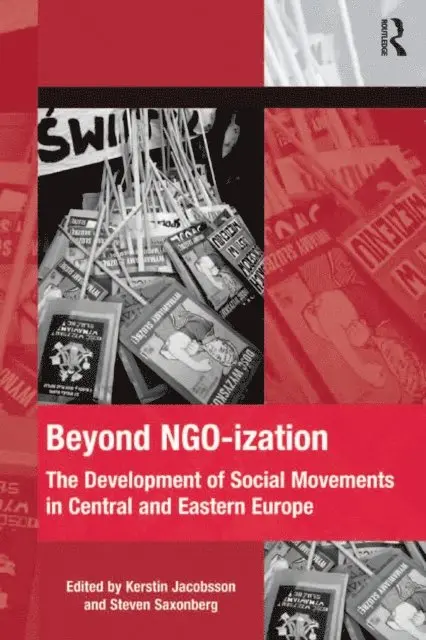
Beyond NGO-ization
The Development of Social Movements in Central and Eastern Europe
Av Kerstin Jacobsson, Steven Saxonberg
Häftad, 2016
856 kr
Lägg i varukorg
The celebrations marking the 20th anniversary of the fall of the Berlin Wall provoked a debate on the outcomes of the transition process in the post-communist countries, including a debate on the functioning of civil society. This provided a good opportunity for researchers to collect new data and …
Social Movements in Post-Communist Europe and Russia
Av Kerstin Jacobsson, Steven Saxonberg
Inbunden, 2014
1530 kr
Lägg i varukorg
This volume provides a much needed update on the state of civil society in post-communist Europe and Russia more than two decades after the fall of the communist regimes. The chapters offer new perspectives on social movement strategies in post-communist Central-Eastern Europe and Russia. The …
Beyond NGO-ization
The Development of Social Movements in Central and Eastern Europe
Av Steven Saxonberg, Kerstin Jacobsson
E-bok, 2016
1004 kr
Lägg i varukorg
The celebrations marking the 20th anniversary of the fall of the Berlin Wall provoked a debate on the outcomes of the transition process in the post-communist countries, including a debate on the functioning of civil society. This provided a good opportunity for researchers to collect new data and …
Beyond NGO-ization
The Development of Social Movements in Central and Eastern Europe
Av Steven Saxonberg, Kerstin Jacobsson
E-bok, 2016
1004 kr
Lägg i varukorg
The celebrations marking the 20th anniversary of the fall of the Berlin Wall provoked a debate on the outcomes of the transition process in the post-communist countries, including a debate on the functioning of civil society. This provided a good opportunity for researchers to collect new data and …
Social Movements in Post-Communist Europe and Russia
Av Steven Saxonberg, Kerstin Jacobsson
E-bok, 2015
762 kr
Lägg i varukorg
This volume provides a much needed update on the state of civil society in post-communist Europe and Russia more than two decades after the fall of the communist regimes. The chapters offer new perspectives on social movement strategies in post-communist Central-Eastern Europe and Russia. The …
Social Movements in Post-Communist Europe and Russia
Av Steven Saxonberg, Kerstin Jacobsson
E-bok, 2015
746 kr
Lägg i varukorg
This volume provides a much needed update on the state of civil society in post-communist Europe and Russia more than two decades after the fall of the communist regimes. The chapters offer new perspectives on social movement strategies in post-communist Central-Eastern Europe and Russia. The …
Fall
A Comparative Study of the End of Communism in Czechoslovakia, East Germany, Hungary and Poland
E-bok, 2017
1074 kr
Lägg i varukorg
With a foreword by Seymour Lipset, Hoover Institution and George Mason University, USAThe Fall examines one of the twentieth century''s great historical puzzles: why did the communist-led regimes in Eastern Europe collapse so quickly and why was the process of collapse so different from country to …
Fall
A Comparative Study of the End of Communism in Czechoslovakia, East Germany, Hungary and Poland
E-bok, 2017
1074 kr
Lägg i varukorg
With a foreword by Seymour Lipset, Hoover Institution and George Mason University, USAThe Fall examines one of the twentieth century''s great historical puzzles: why did the communist-led regimes in Eastern Europe collapse so quickly and why was the process of collapse so different from country to …
Beyond NGO-ization
The Development of Social Movements in Central and Eastern Europe
Av Kerstin Jacobsson, Steven Saxonberg
Inbunden, 2013
2526 kr
Lägg i varukorg
The celebrations marking the 20th anniversary of the fall of the Berlin Wall provoked a debate on the outcomes of the transition process in the post-communist countries, including a debate on the functioning of civil society. This provided a good opportunity for researchers to collect new data and …
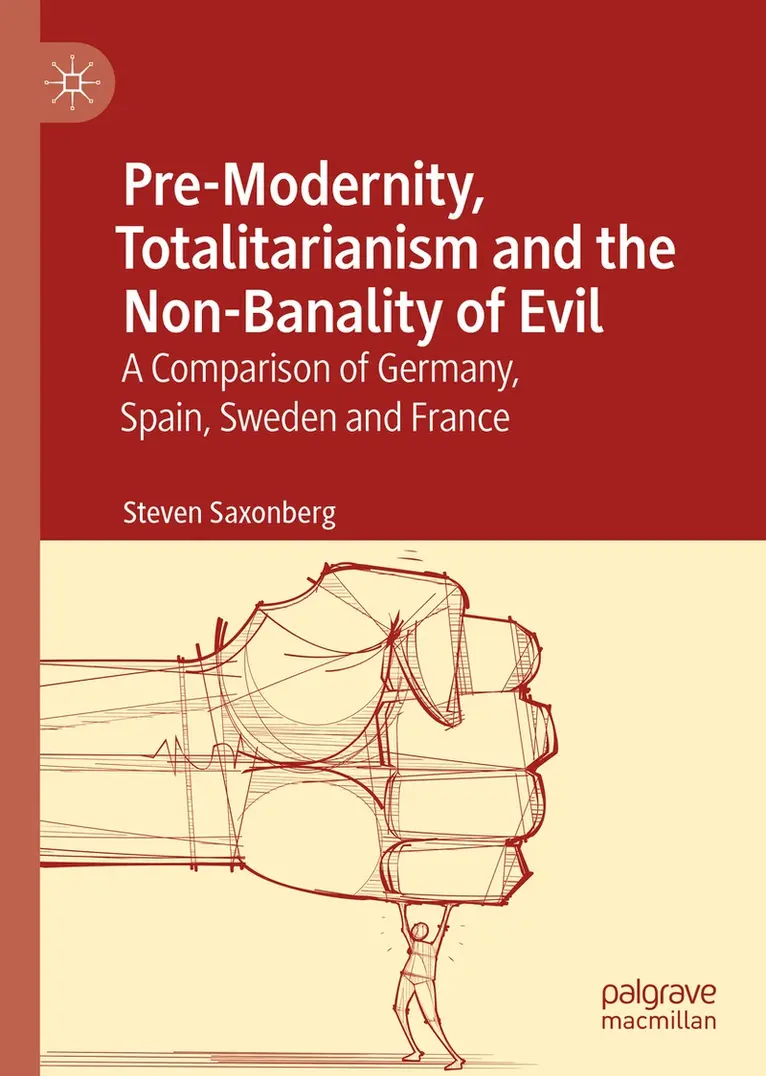
Pre-Modernity, Totalitarianism and the Non-Banality of Evil
A Comparison of Germany, Spain, Sweden and France
Inbunden, 2019
1204 kr
Lägg i varukorg
This book provides a comparative and historical analysis of totalitarianism and considers why Spain became totalitarian during its inquisition but not France; and why Germany became totalitarian during the previous century, but not Sweden. The author pushes the concept of totalitarianism back into …
Pre-Modernity, Totalitarianism and the Non-Banality of Evil
A Comparison of Germany, Spain, Sweden and France
E-bok, 2019
1622 kr
Lägg i varukorg
This book provides a comparative and historical analysis of totalitarianism and considers why Spain became totalitarian during its inquisition but not France; and why Germany became totalitarian during the previous century, but not Sweden. The author pushes the concept of totalitarianism back into …
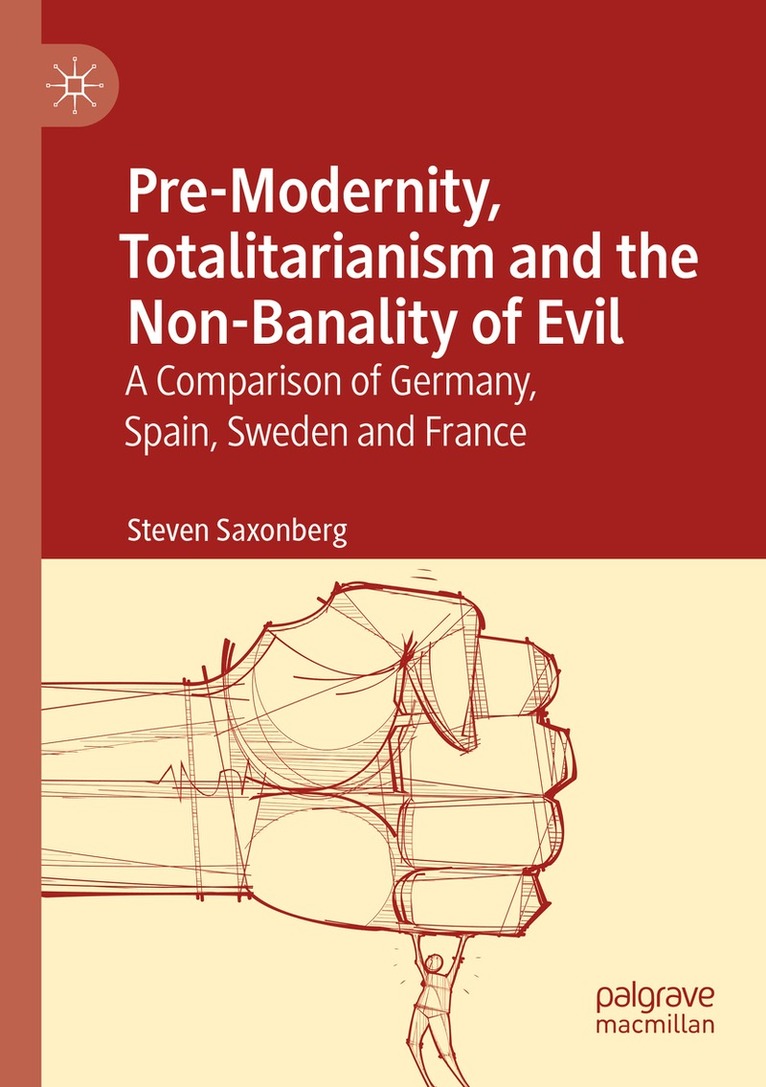
Pre-Modernity, Totalitarianism and the Non-Banality of Evil
A Comparison of Germany, Spain, Sweden and France
Häftad, 2020
1204 kr
Lägg i varukorg
This book provides a comparative and historical analysis of totalitarianism and considers why Spain became totalitarian during its inquisition but not France; and why Germany became totalitarian during the previous century, but not Sweden. The author pushes the concept of totalitarianism back into …
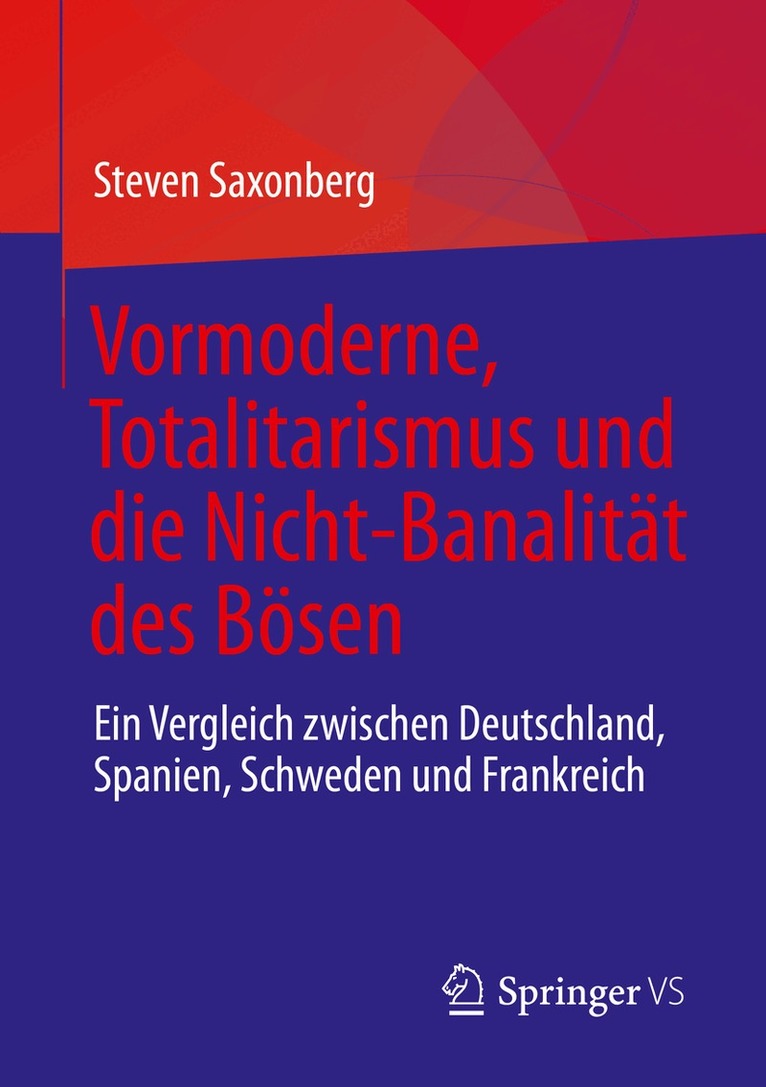
Vormoderne, Totalitarismus und die Nicht-Banalität des Bösen
Ein Vergleich zwischen Deutschland, Spanien, Schweden und Frankreich
Häftad, 2023
820 kr
Lägg i varukorg
Dieses Buch bietet eine vergleichende und historische Analyse des Totalitarismus und geht der Frage nach, warum Spanien während der Inquisition totalitär wurde, Frankreich aber nicht; und warum Deutschland im vergangenen Jahrhundert totalitär wurde, Schweden aber nicht. Der Autor verlegt das …
Vormoderne, Totalitarismus und die Nicht-Banalität des Bösen
Ein Vergleich zwischen Deutschland, Spanien, Schweden und Frankreich
E-bok, 2023
848 kr
Lägg i varukorg
Dieses Buch bietet eine vergleichende und historische Analyse des Totalitarismus und geht der Frage nach, warum Spanien während der Inquisition totalitär wurde, Frankreich aber nicht; und warum Deutschland im vergangenen Jahrhundert totalitär wurde, Schweden aber nicht. Der Autor verlegt das …
Fall
A Comparative Study of the End of Communism in Czechoslovakia, East Germany, Hungary and Poland
Inbunden, 2001
2596 kr
Lägg i varukorg
With a foreword by Seymour Lipset, Hoover Institution and George Mason University, USAThe Fall examines one of the twentieth century's great historical puzzles: why did the communist-led regimes in Eastern Europe collapse so quickly and why was the process of collapse so different from country to …