Stewart Firth – författare
Visar alla böcker från författaren Stewart Firth. Handla med fri frakt och snabb leverans.
13 produkter
Nuclear Playground
Inbunden, 2020
1823 kr
Lägg i varukorg
In the late 1980s it was felt that World War III could start in the Pacific. Long regarded by the USA as an American lake, the Pacific was now a focus of competition between the superpowers. The USSR, whose nuclear-arms navy was limited to their north Pacific ports, now had a major new naval base …
Nuclear Playground
Häftad, 2022
545 kr
Lägg i varukorg
In the late 1980s it was felt that World War III could start in the Pacific. Long regarded by the USA as an American lake, the Pacific was now a focus of competition between the superpowers. The USSR, whose nuclear-arms navy was limited to their north Pacific ports, now had a major new naval base …
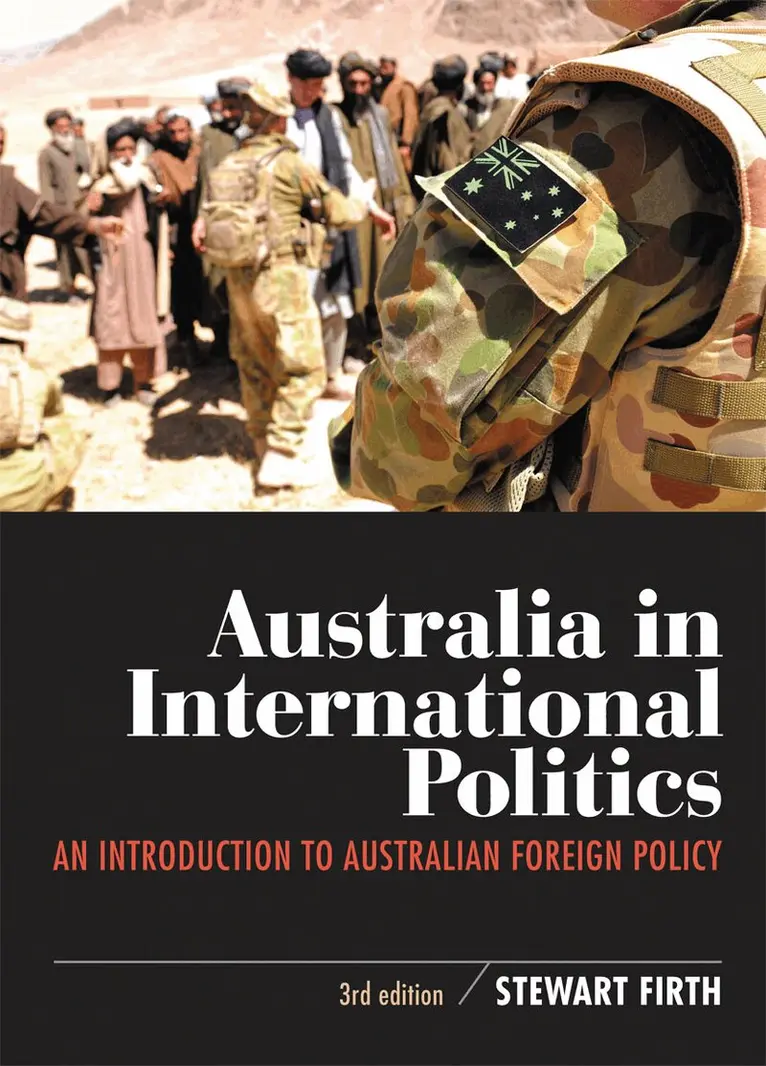
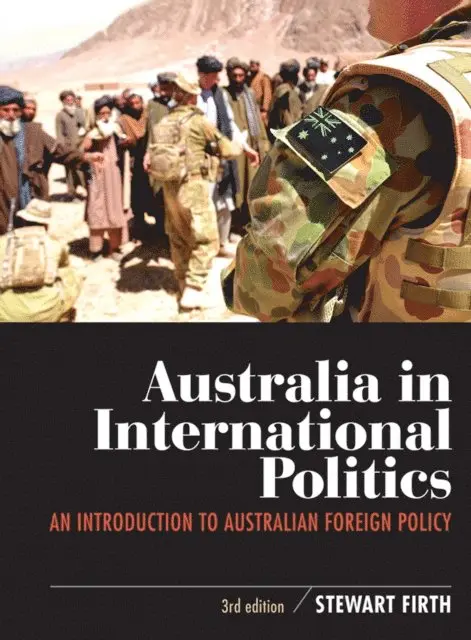
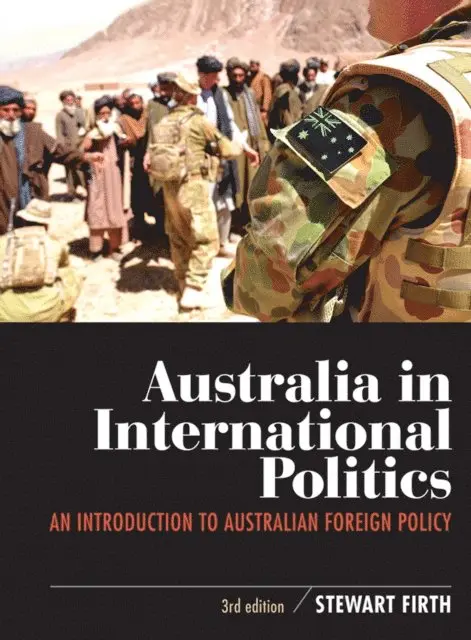
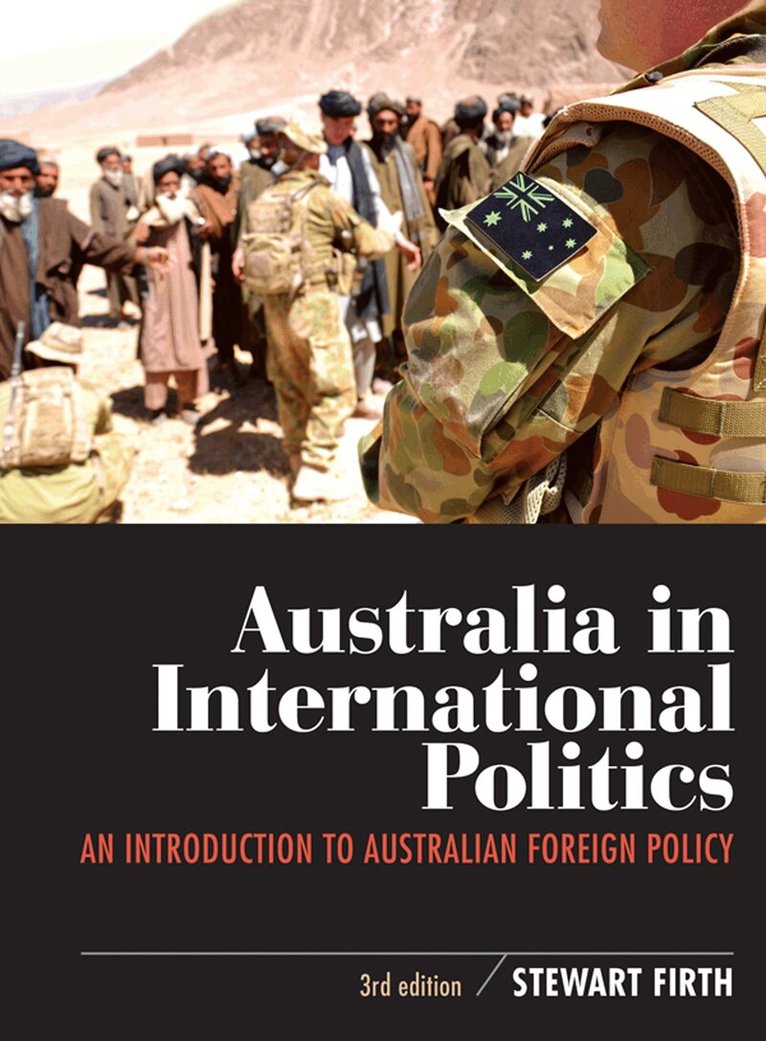
Australia in International Politics
An introduction to Australian foreign policy
Inbunden, 2021
2510 kr
Lägg i varukorg
The world changed for Australia after the terrorist attacks on the US on September 11, 2001 and the Bali bombings of 2002. Security became the dominant theme of Australian foreign policy. Australian military forces remained in Afghanistan years later, opposing the terrorist threat of the Taliban, …
From Election to Coup in Fiji: The 2006 campaign and its aftermath
Av Jon Fraenkel, Stewart Firth
Häftad, 2007
437 kr
Lägg i varukorg
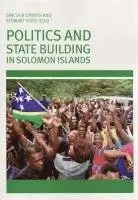
Politics and State Building in Solomon Islands
Av Sinclair Dinnen, Stewart Firth
Häftad, 2008
364 kr
Lägg i varukorg
Nuclear Playground
E-bok, 2020
660 kr
Lägg i varukorg
In the late 1980s it was felt that World War III could start in the Pacific. Long regarded by the USA as an American lake, the Pacific was now a focus of competition between the superpowers. The USSR, whose nuclear-arms navy was limited to their north Pacific ports, now had a major new naval base …
Nuclear Playground
E-bok, 2020
660 kr
Lägg i varukorg
In the late 1980s it was felt that World War III could start in the Pacific. Long regarded by the USA as an American lake, the Pacific was now a focus of competition between the superpowers. The USSR, whose nuclear-arms navy was limited to their north Pacific ports, now had a major new naval base …
Australia in International Politics
An introduction to Australian foreign policy
E-bok, 2020
710 kr
Lägg i varukorg
The world changed for Australia after the terrorist attacks on the US on September 11, 2001 and the Bali bombings of 2002. Security became the dominant theme of Australian foreign policy. Australian military forces remained in Afghanistan years later, opposing the terrorist threat of the Taliban, …
Australia in International Politics
An introduction to Australian foreign policy
E-bok, 2020
710 kr
Lägg i varukorg
The world changed for Australia after the terrorist attacks on the US on September 11, 2001 and the Bali bombings of 2002. Security became the dominant theme of Australian foreign policy. Australian military forces remained in Afghanistan years later, opposing the terrorist threat of the Taliban, …
Australia in International Politics
An introduction to Australian foreign policy
Häftad, 2011
605 kr
Lägg i varukorg
The world changed for Australia after the terrorist attacks on the US on September 11, 2001 and the Bali bombings of 2002. Security became the dominant theme of Australian foreign policy. Australian military forces remained in Afghanistan years later, opposing the terrorist threat of the Taliban, …
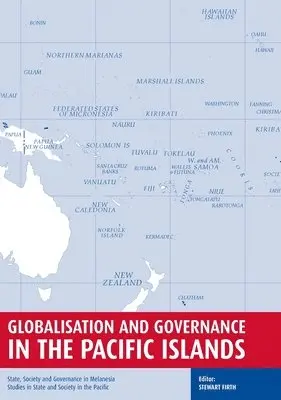
Globalisation and Governance in the Pacific Islands: State, Society and Governance in Melanesia
Häftad, 2006
372 kr
Lägg i varukorg
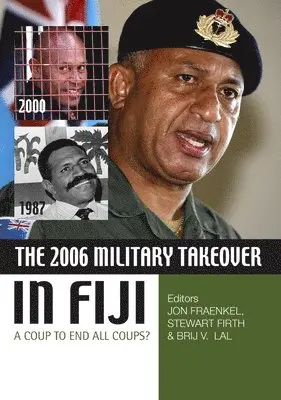
The 2006 Military Takeover in Fiji: A Coup to End All Coups?
Av Jon Fraenkel, Stewart Firth
Häftad, 2009
743 kr
Lägg i varukorg