Stratis Papaioannou - Böcker
Visar alla böcker från författaren Stratis Papaioannou. Handla med fri frakt och snabb leverans.
8 produkter
8 produkter
703 kr
Skickas inom 5-8 vardagar
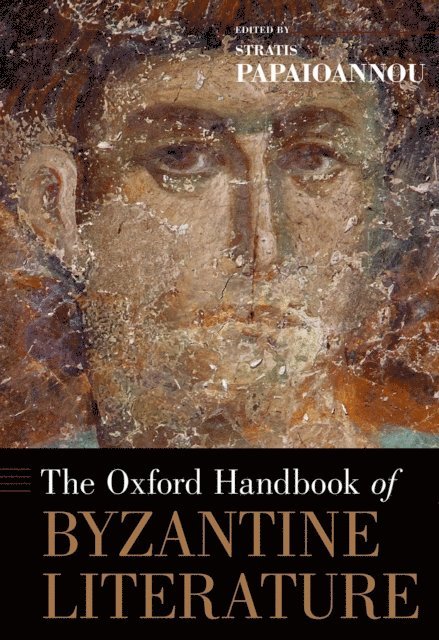
This volume, the first ever of its kind in English, introduces and surveys Greek literature in Byzantium (330 - 1453 CE). In twenty-five chapters composed by leading specialists, The Oxford Handbook of Byzantine Literature surveys the immense body of Greek literature produced from the fourth to the fifteenth century CE and advances a nuanced understanding of what "literature" was in Byzantium. This volume is structured in four sections. The first, "Materials, Norms, Codes," presents basic structures for understanding the history of Byzantine literature like language, manuscript book culture, theories of literature, and systems of textual memory. The second, "Forms," deals with the how Byzantine literature works: oral discourse and "text"; storytelling; rhetoric; re-writing; verse; and song. The third section ("Agents") focuses on the creators of Byzantine literature, both its producers and its recipients. The final section, entitled "Translation, Transmission, Edition," surveys the three main ways by which we access Byzantine Greek literature today: translations into other Byzantine languages during Late Antiquity and the Middle Ages; Byzantine and post-Byzantine manuscripts; and modern printed editions. The volume concludes with an essay that offers a view of the recent past--as well as the likely future--of Byzantine literary studies.
2 947 kr
Skickas inom 5-8 vardagar
This volume, the first ever of its kind in English, introduces and surveys Greek literature in Byzantium (330 - 1453 CE). In twenty-five chapters composed by leading specialists, The Oxford Handbook of Byzantine Literature surveys the immense body of Greek literature produced from the fourth to the fifteenth century CE and advances a nuanced understanding of what "literature" was in Byzantium. This volume is structured in four sections. The first, "Materials, Norms, Codes," presents basic structures for understanding the history of Byzantine literature like language, manuscript book culture, theories of literature, and systems of textual memory. The second, "Forms," deals with the how Byzantine literature works: oral discourse and "text"; storytelling; rhetoric; re-writing; verse; and song. The third section ("Agents") focuses on the creators of Byzantine literature, both its producers and its recipients. The final section, entitled "Translation, Transmission, Edition," surveys the three main ways by which we access Byzantine Greek literature today: translations into other Byzantine languages during Late Antiquity and the Middle Ages; Byzantine and post-Byzantine manuscripts; and modern printed editions. The volume concludes with an essay that offers a view of the recent past--as well as the likely future--of Byzantine literary studies.
1 814 kr
Skickas inom 10-15 vardagar
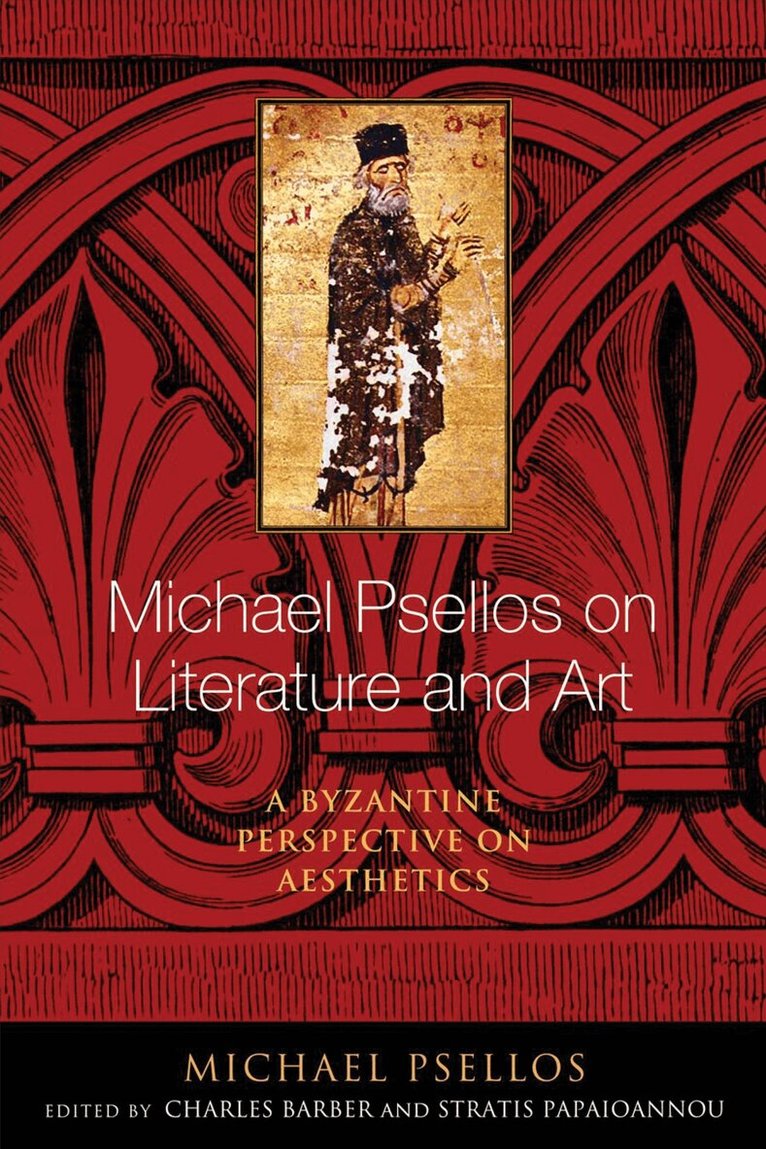
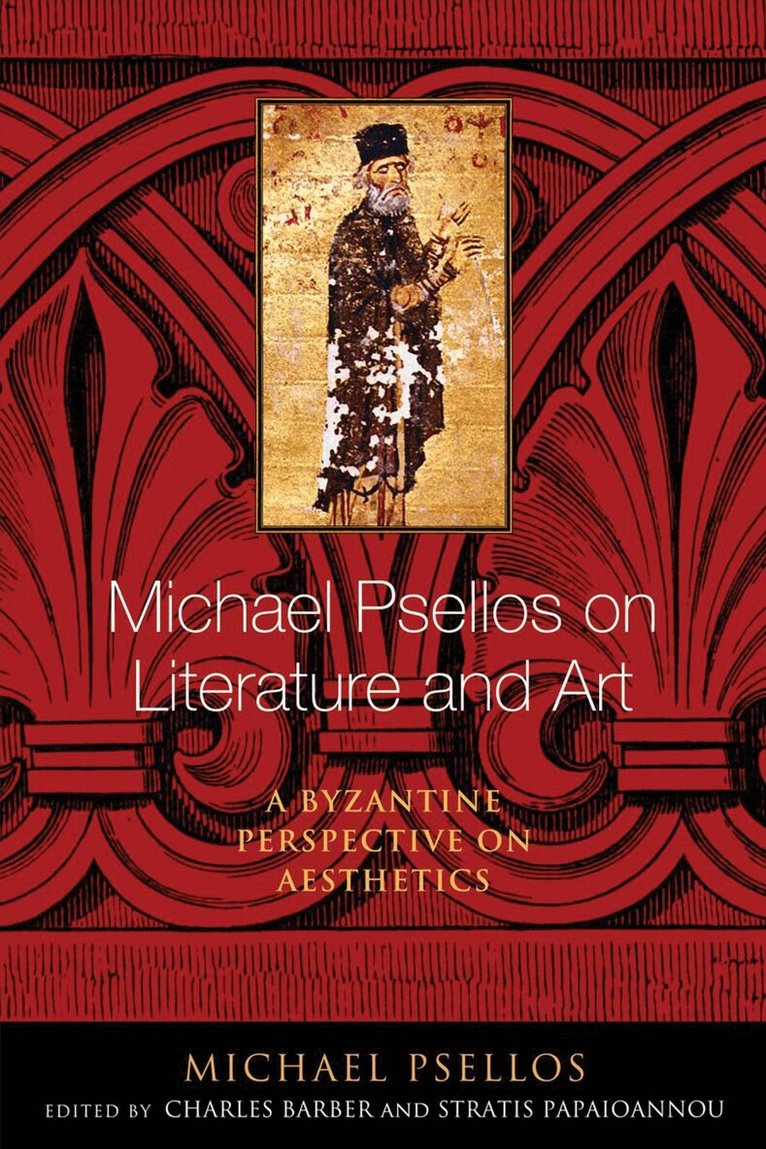
The ambition of Michael Psellos on Literature and Art is to illustrate an important chapter in the history of Greek literary and art criticism and introduce precisely this aspect of Psellian writing to a wider public.
486 kr
Skickas inom 10-15 vardagar
The ambition of Michael Psellos on Literature and Art is to illustrate an important chapter in the history of Greek literary and art criticism and introduce precisely this aspect of Psellian writing to a wider public.
Del 78 - Dumbarton Oaks Medieval Library
Saints at the Limits
Seven Byzantine Popular Legends
Inbunden, Engelska, 2023
284 kr
Skickas inom 7-10 vardagar
A collection of medieval tales of Byzantine saints, including some rejected by the Church, translated into English for the first time.The legends collected in Saints at the Limits, despite sometimes being viewed with suspicion by the Church, fascinated Christians during the Middle Ages—as related cults, multiple retellings, and contemporary translations attest. Their protagonists span the entire spectrum of Byzantine society, including foreigners, soldiers, ascetics, lustful women, beggars, and the sons and daughters of rulers. They travel to exotic lands, perform outlandish miracles, suffer extraordinary violence, reject family ties, save cities, destroy absolute rulers, and discover the divine. Some saints, like Markos the Athenian, are forgotten nowadays; others, like Saint George the Great Martyr, still command a wide appeal. Each, however, negotiates the limits of Byzantine imagination: the borders that separate the powerful from the outcasts, the real from the imaginary, the human from the beyond human. These stories, edited in Greek and translated into English here for the first time, continue to resonate with readers seeking to understand universal human fears and desires in their Byzantine guise.
Del 45 - Dumbarton Oaks Medieval Library
Christian Novels from the Menologion of Symeon Metaphrastes
Inbunden, Engelska, 2017
326 kr
Skickas inom 7-10 vardagar
Created in the tenth century, most likely as an imperial commission, the Menologion is a collection of rewritings of saints’ lives originally intended to be read at services for Christian feast days. Yet Symeon Metaphrastes’s stories also abound in transgression and violence, punishment and redemption, love and miracles. They resemble Greek novels of the first centuries of the Common Era, highlighting intense emotions and focusing on desire, both sacred and profane.Symeon Metaphrastes was celebrated for rescuing martyrdom accounts and saints’ biographies that otherwise may have been lost. His Menologion, among the most important Byzantine works, represents the culmination of a well-established tradition of Greek Christian storytelling. A landmark of Byzantine religious and literary culture, the Menologion was revered for centuries—copied in hundreds of manuscripts, recited publicly, and adapted into other medieval languages. This edition presents the first English translation of six Christian novels excerpted from Symeon’s text, all of them featuring women who defy social expectations.
1 512 kr
Skickas inom 7-10 vardagar
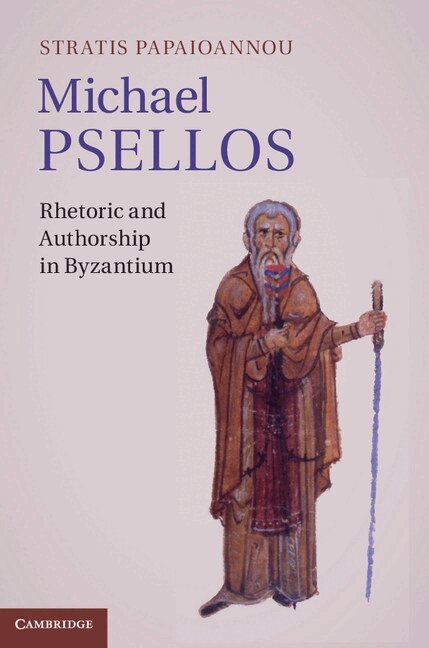
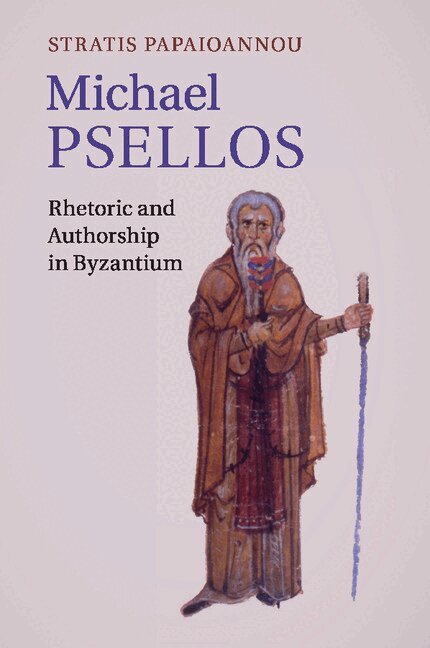
This book explores Michael Psellos' place in the history of Greek rhetoric and self-representation and his impact on the development of Byzantine literature. Avoiding the modern dilemma that vacillates between Psellos the pompous rhetorician and Psellos the ingenious thinker, Professor Papaioannou unravels the often misunderstood Byzantine rhetoric, its rich discursive tradition and the social fabric of elite Constantinopolitan culture which rhetoric addressed. The book offers close readings of Psellos' personal letters, speeches, lectures and historiographical narratives, and analysis of other early Byzantine and classical models of authorship in Byzantine book culture, such as Gregory of Nazianzos, Synesios of Cyrene, Hermogenes and Plato. It also details Psellos' innovative attention to authorial creativity, performative mimesis and the aesthetics of the self. Simultaneously, it traces within Byzantium complex expressions of emotion and gender, notions of authorship and subjectivity, and theories of fictionality and literature, challenging the common fallacy that these are modern inventions.
523 kr
Skickas inom 7-10 vardagar
This book explores Michael Psellos' place in the history of Greek rhetoric and self-representation and his impact on the development of Byzantine literature. Avoiding the modern dilemma that vacillates between Psellos the pompous rhetorician and Psellos the ingenious thinker, Professor Papaioannou unravels the often misunderstood Byzantine rhetoric, its rich discursive tradition and the social fabric of elite Constantinopolitan culture which rhetoric addressed. The book offers close readings of Psellos' personal letters, speeches, lectures and historiographical narratives, and analysis of other early Byzantine and classical models of authorship in Byzantine book culture, such as Gregory of Nazianzos, Synesios of Cyrene, Hermogenes and Plato. It also details Psellos' innovative attention to authorial creativity, performative mimesis and the aesthetics of the self. Simultaneously, it traces within Byzantium complex expressions of emotion and gender, notions of authorship and subjectivity, and theories of fictionality and literature, challenging the common fallacy that these are modern inventions.