Stu Lucy – författare
Visar alla böcker från författaren Stu Lucy. Handla med fri frakt och snabb leverans.
3 produkter
3 produkter
Inbunden, Engelska, 2026
559 kr
Skickas inom 5-8 vardagar
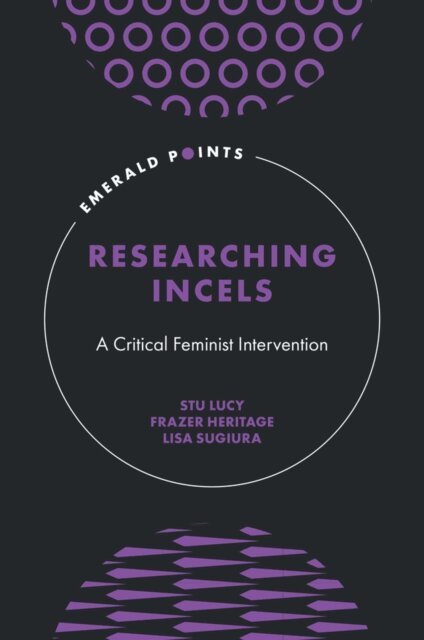
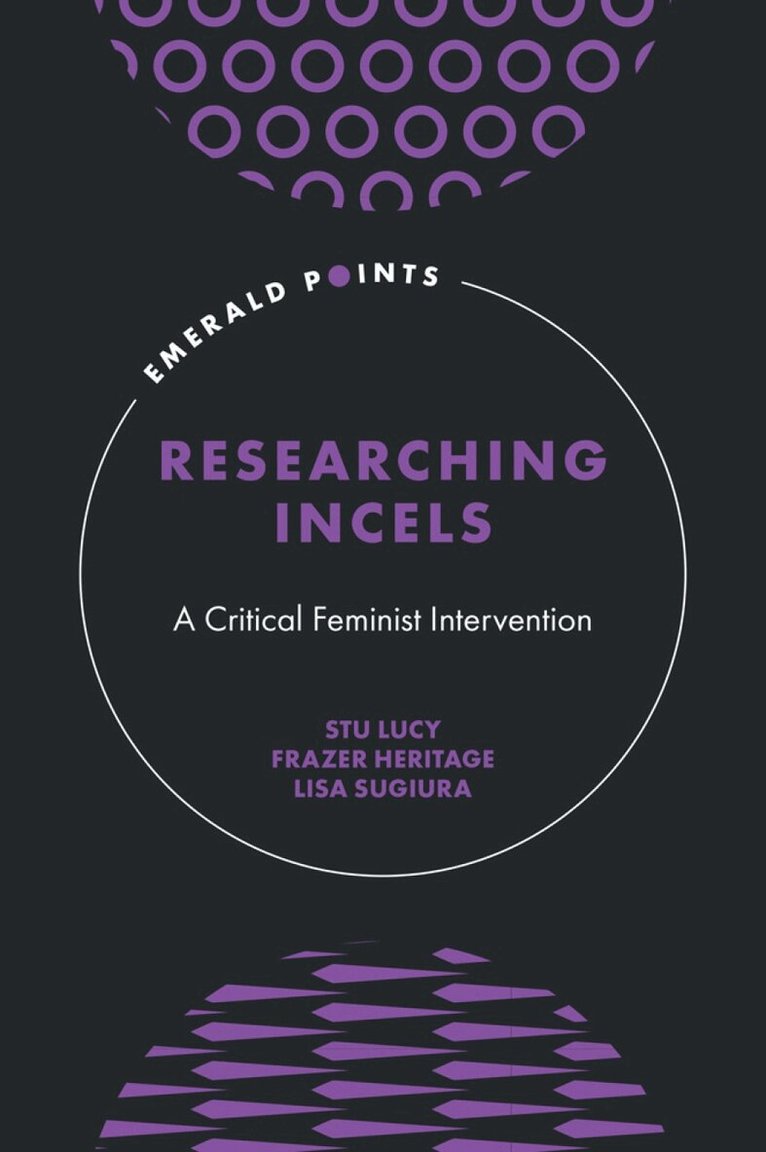
As the world wakes up to the incel problem following Netflix’s Adolescence, many examples of research into incels over the past decade have been poorly conducted. Researching Incels is a crucial intervention into problematic incel research – calling for a new framework for rigorous, responsible research to inform policy on the incel crisis.A critical overview on poor research examples using the primary case study of a report commissioned by the UK Government’s Commission for Countering Extremism on predicting harm among involuntary celibates, the authors outline incel research that is methodologically flawed, unreliable, and normalizes misogyny. Focusing primarily on two critical flaws of researching incels - limited conceptualization leading to poor methodology; and positionality; they write from a feminist positioned critical analysis to offer a blueprint for the future of robust incel research in response to these limitations. This rebuttal is situated at the forefront of current polarizing debates developing within the incel community – emphasizing that incel research must address from a feminist perspective the underlying structural processes and ideologies that give authority and motivation to communities such as incels.A “how to” guide for future research, Researching Incels also provides guidance for research, practice and policy on how to approach and assess existing work, with explicit caution where research is characterized by the limitations outlined here. Breaking new ground as the first broad commentary on researching incels, this is an essential roadmap for “Season Two” of incel research.
Inbunden, Engelska, 2026
1 295 kr
Kommande
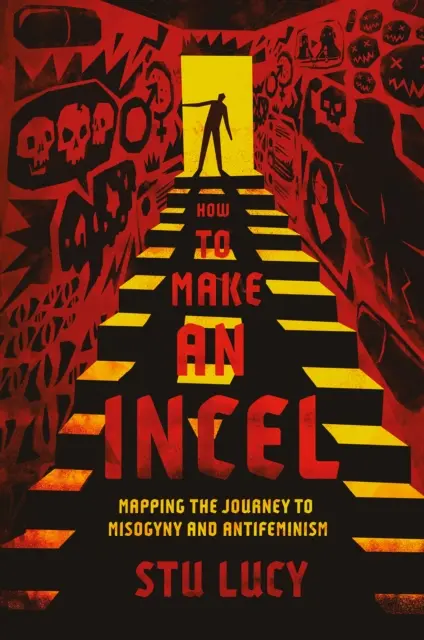
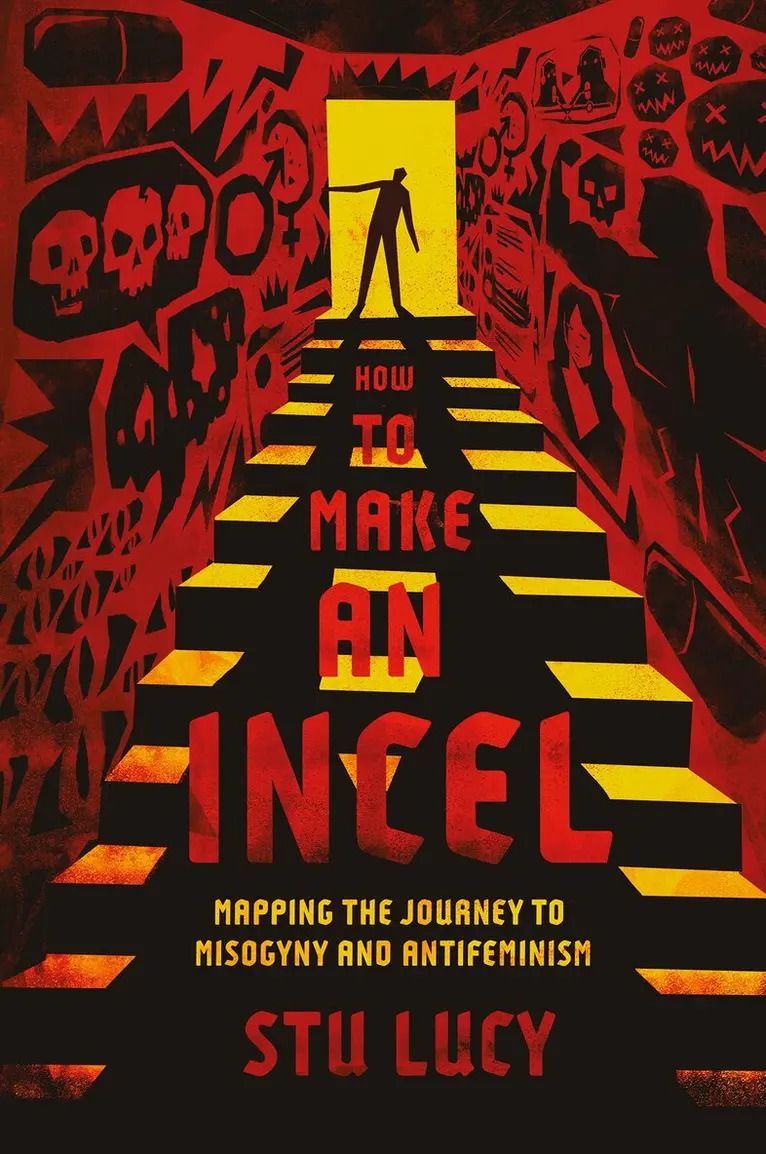
Governments worldwide are contending with how to define and address incel ideology, particularly as it relates to gender-based violence. How to Make an Incel provides a much-needed, triangulated analysis of the journey into inceldom, bridging the growing discussion between structural and experiential approaches in incel research.By examining the network of social media platforms, websites, and niche forums where incel identity is cultivated, the book offers a nuanced understanding of how young and adolescent men process gendered perceptions and masculine failures in mainstream and isolated digital spaces. As one of the few academic works based on direct engagement with incels, this study offers a critical empathetic feminist lens to map the journey to inceldom. Rather than reinforcing incel grievances, it broadens the discourse on poor mental health and incel identity, while shedding light on the misogynistic and self-denigrating tendencies underpinning this ideology. By tracking the incel digital ecosystem from everyday social media to extremist forums, this book crucially illustrates how seemingly innocuous discussions feed into more harmful ideologies that legitimise gendered violence and a self-deprecating identity.For academics, practitioners, and policymakers alike, How to Make an Incel offers an overdue explanation of how men become incels. As governments seek solutions to combat incel culture, this book provides an alternative to securitised and pathologised perspectives. Imminently timely, it lays the groundwork for interwoven digital, educational, and feminist therapeutic strategies that can effectively address the rise of antifeminist and antiwomen rhetoric—offering a blueprint to understand and counter the rise of young and adolescent men adopting an incel identity.
Häftad, Engelska, 2026
365 kr
Kommande
Governments worldwide are contending with how to define and address incel ideology, particularly as it relates to gender-based violence. How to Make an Incel provides a much-needed, triangulated analysis of the journey into inceldom, bridging the growing discussion between structural and experiential approaches in incel research.By examining the network of social media platforms, websites, and niche forums where incel identity is cultivated, the book offers a nuanced understanding of how young and adolescent men process gendered perceptions and masculine failures in mainstream and isolated digital spaces. As one of the few academic works based on direct engagement with incels, this study offers a critical empathetic feminist lens to map the journey to inceldom. Rather than reinforcing incel grievances, it broadens the discourse on poor mental health and incel identity, while shedding light on the misogynistic and self-denigrating tendencies underpinning this ideology. By tracking the incel digital ecosystem from everyday social media to extremist forums, this book crucially illustrates how seemingly innocuous discussions feed into more harmful ideologies that legitimise gendered violence and a self-deprecating identity.For academics, practitioners, and policymakers alike, How to Make an Incel offers an overdue explanation of how men become incels. As governments seek solutions to combat incel culture, this book provides an alternative to securitised and pathologised perspectives. Imminently timely, it lays the groundwork for interwoven digital, educational, and feminist therapeutic strategies that can effectively address the rise of antifeminist and antiwomen rhetoric—offering a blueprint to understand and counter the rise of young and adolescent men adopting an incel identity.