Stuart Britton – författare
Visar alla böcker från författaren Stuart Britton. Handla med fri frakt och snabb leverans.
19 produkter
19 produkter
Inbunden, Engelska, 2008
710 kr
Skickas inom 10-15 vardagar
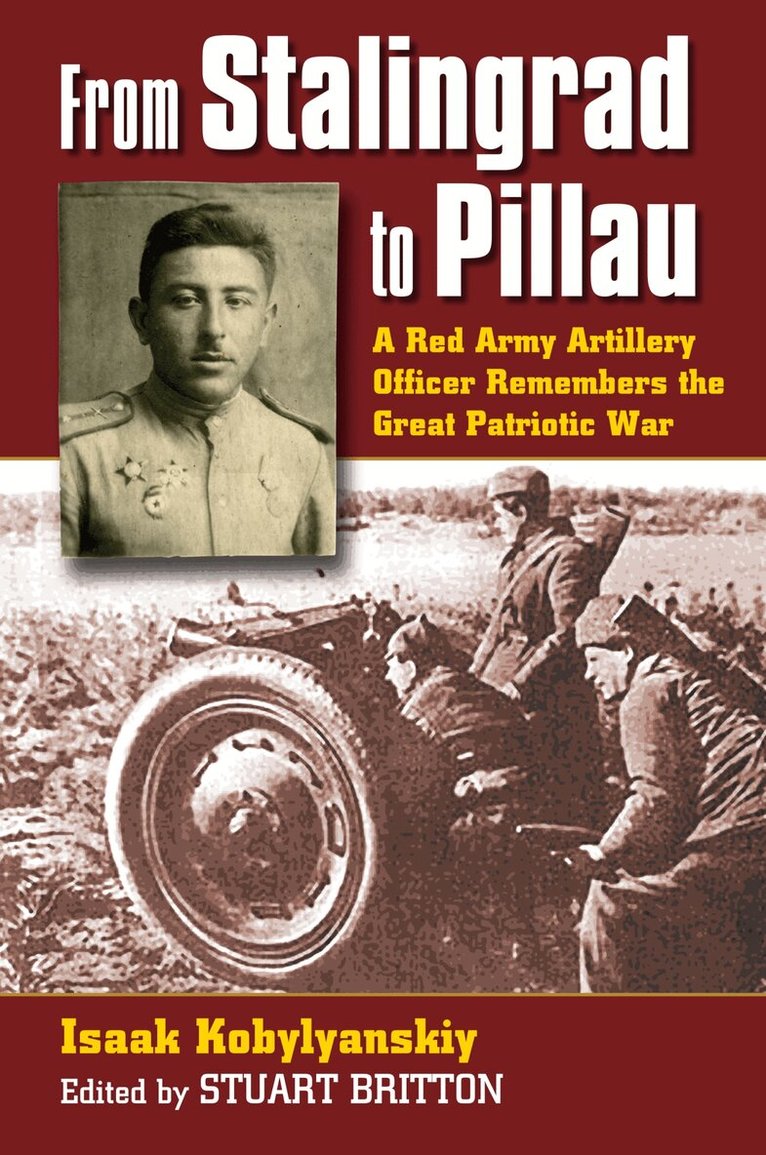
Strange sounds resembling the remote rumble of distant thunder were audible. Everybody understood: it was the echo of the battle for Stalingrad...A heavy rain began falling.Stalingrad's outskirts provided Isaak Kobylyanskiy, a 19-year-old Jew from Ukraine, with his first exposure to combat and initiated his long odyssey in the Great Patriotic War against Germany. It would be more than three years before he was finally reunited with his family and his sweetheart, Vera, the schoolmate he had promised to marry.Kobylyanskiy started the war as a 76-mm infantry support gun crew commander for the 300th Rifle Division (and its later incarnations) and celebrated V-E Day as a battery commander. His combat journey was a long process of exhausting marches punctuated by harrowing moments of intense combat. From the liberation of Sevastopol, through Lithuania's countryside, to the final storming of Konigsberg's heavy fortifications, Kobylyanskiy's memoir sweeps across the great expanses of the Eastern Front. His narrative is packed with dramatic details and insights into the daily life of the Soviet army: the relentless marches to locate and engage the enemy, the prejudicial treatment of female soldiers, and the plight of Soviet civilians.Kobylyanskiy also discusses the role of military political officers (and his own conflicted views on communism), clarifies the place of Jews in the Red Army and discusses how his reaction to anti-Semitic utterances added a sense of responsibility to his fighting, and frames his account with personal glimpses into the stifling repression of Stalinist society, including the brutal collectivization program and resulting famine in Ukraine. But he balances such memories with warm recollections of some of his comrades and especially with an affecting portrait of his courtship of Vera, and concludes with an emotional coda: their wedding ceremony in a war-ravaged but recovering Kiev.By turns vivid, reflective, intense, and entertaining, Kobylyanskiy's narrative charts one warrior's epic journey and joins a select group of memoirs that deepen our understanding of what it was like for Russian soldiers on the Eastern Front.
Häftad, Engelska, 2019
314 kr
Skickas inom 5-8 vardagar
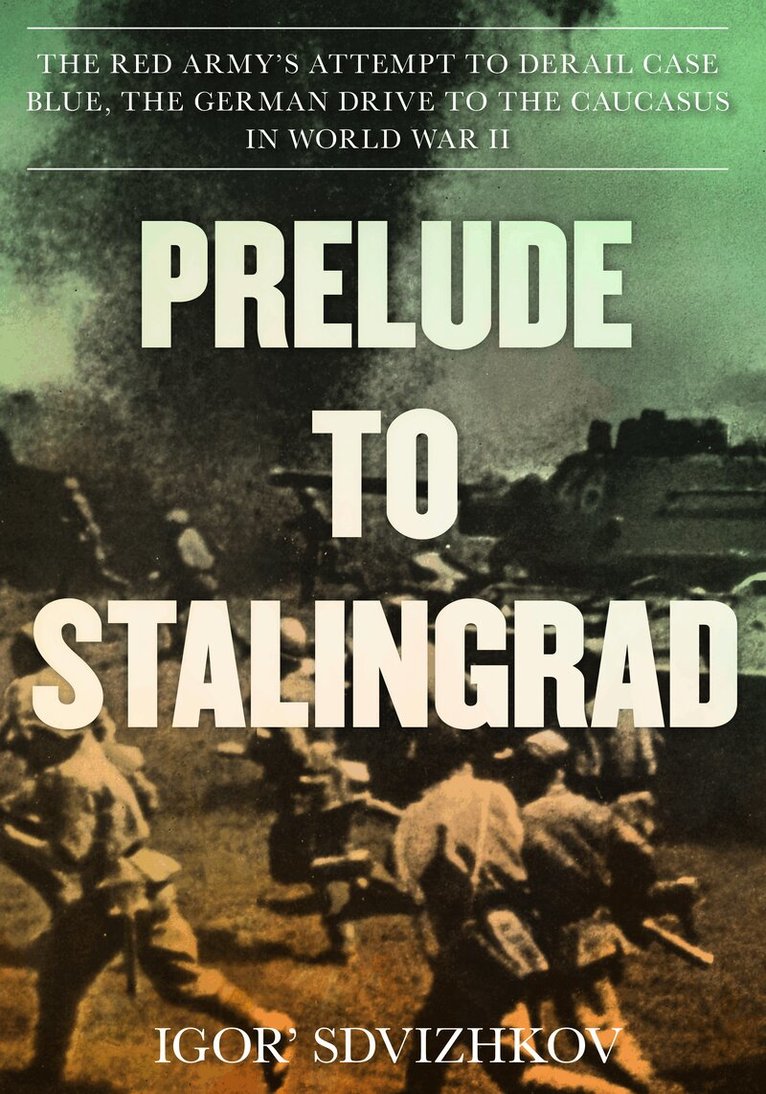
In the summer of 1942, the Germans launched Case Blue, a strategic offensive into the Caucasus, a region rich in oil, birthplace of Stalin, and gateway to Iran and the Middle East, where the Germans could obtain more oil, cut off a vital corridor for Lend-Lease supplies to the Soviets, threaten the British Empire, and even perhaps link up with the Japanese (then advancing in Burma toward India). It was a pivotal moment of World War II, which history remembers primarily for the titanic clash at Stalingrad during the fall and early winter of 1942-43, but less well understood is the series of summer operations that led to and shaped that turning-point battle. In Prelude to Stalingrad, Igor Sdvizhkov reconstructs the fighting in the northern sector of the Case Blue offensive, near the city of Voronezh. Using German documents as well as previously classified Soviet sources, Sdvizhkov zooms in on the nine days of see-saw fighting—involving tens of thousands of men and hundreds of tanks and guns on both sides—that threatened to derail the German offensive north of Stalingrad. In response to the withdrawals and mass surrenders on the Eastern Front during the war’s early months a year before, Stalin ordered that no ground be given up, that his armies fight instead of pulling back, ensuring that the fighting would be brutal. Ultimately unsuccessful in denying the Germans a bridgehead on the Don River, the Red Army inflicted heavy losses, eroding the Wehrmacht’s fighting power before it even reached Stalingrad.
Häftad, Engelska, 2023
368 kr
Skickas
Inbunden, Engelska, 2025
619 kr
Skickas
E-bok
Engelska, 2021123 kr
Läs direkt efter köp
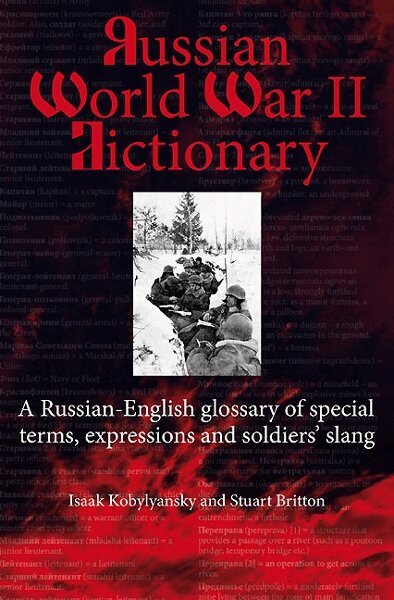
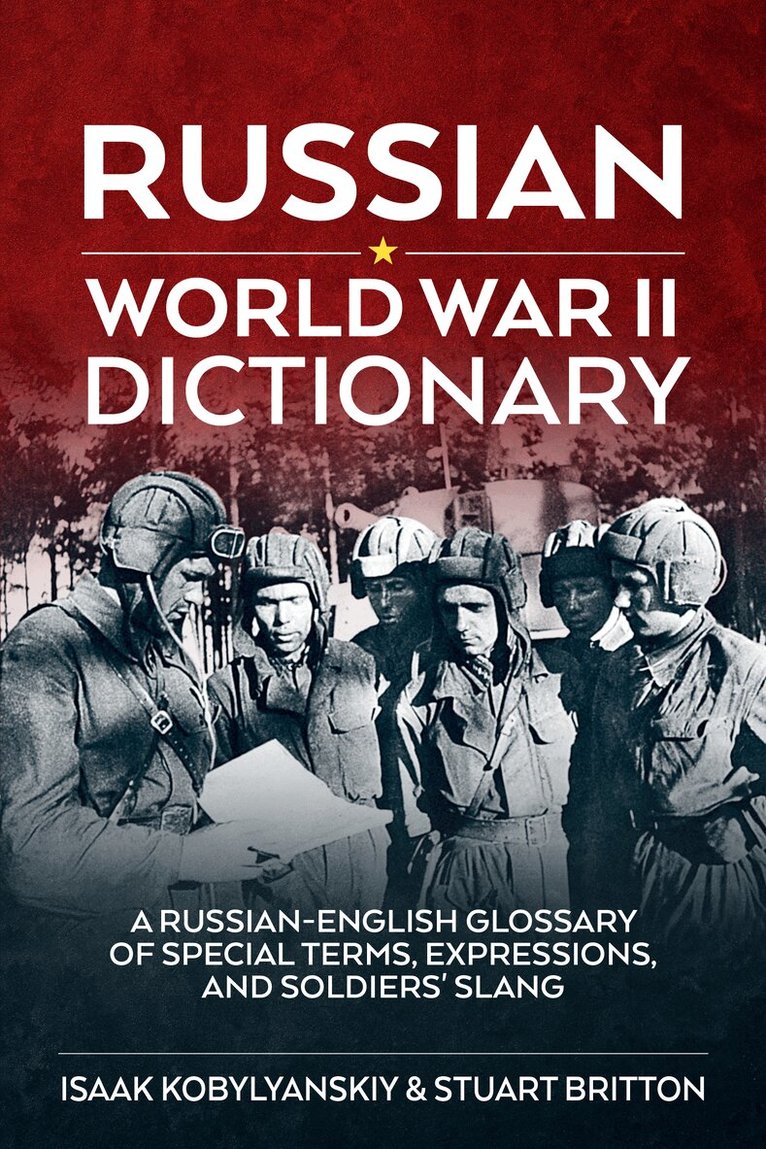
The Great Patriotic War (GPW) of the Soviet people against Nazi Germany, known in the West as the Eastern Front of WWII, continues to attract a number of military historians from different countries around the world. The frontline veterans' reminiscences occupy a prominent place among most important documents of that time. In contrast to official documents, these recollections reproduce the so-called truth of the foxholes, the genuine spirit of the war. Along with their honesty, the WWII veterans' reminiscences are full of idiomatic expressions, specialized terms and abbreviations peculiar to that war. Regardless of their language, the memoirs reproduce the wartime vocabulary of the authors' nationalities, and reading them can be a difficult task for uninformed readers. Consequently, special dictionaries appeared in print and later on Internet web sites. Unlike most of the Allied countries, no war jargon/slang dictionary has been published in Russia. This glossary is intended to begin to fill that gap. Several sources of the Red Army serviceman's slang were peculiar to the Soviet experience. The upheaval of the 1917 October Revolution and following Civil War, and the fundamental changes wrought by the political and social reforms and campaigns in the 1920s-1930s affected the Russian vocabulary substantially. The fact that the overwhelming majority of Red Army soldiers and officers came from rural households, and brought their local idioms and expressions into the trenches, also enriched the war vocabulary. Another set of figurative expressions arose because of Stalin's terrible purges of the 1930s, when people created euphemisms to avoid saying words like search, arrest and execution. Such expressions came into general circulation and contributed to Russian wartime slang. Some words also appeared under the harsh conditions of the USSR far rear, where civilians struggled under conditions of hard labor and malnutrition. Lend-lease items entered the soldiers' parlance, often in the form of nicknames. Finally, any army has its traditions and slogans, many of which were revived in the Red Army during WW II. All of the aforementioned sources and others contributed to the Russian wartime vocabulary. The authors began this glossary as a translators' aid, but now they believe it will also be of interest to military historians and linguists who work with original Russian military sources, especially of the Second World War period.
Häftad, Engelska, 2014
364 kr
Skickas
E-bok
Engelska, 2021123 kr
Läs direkt efter köp
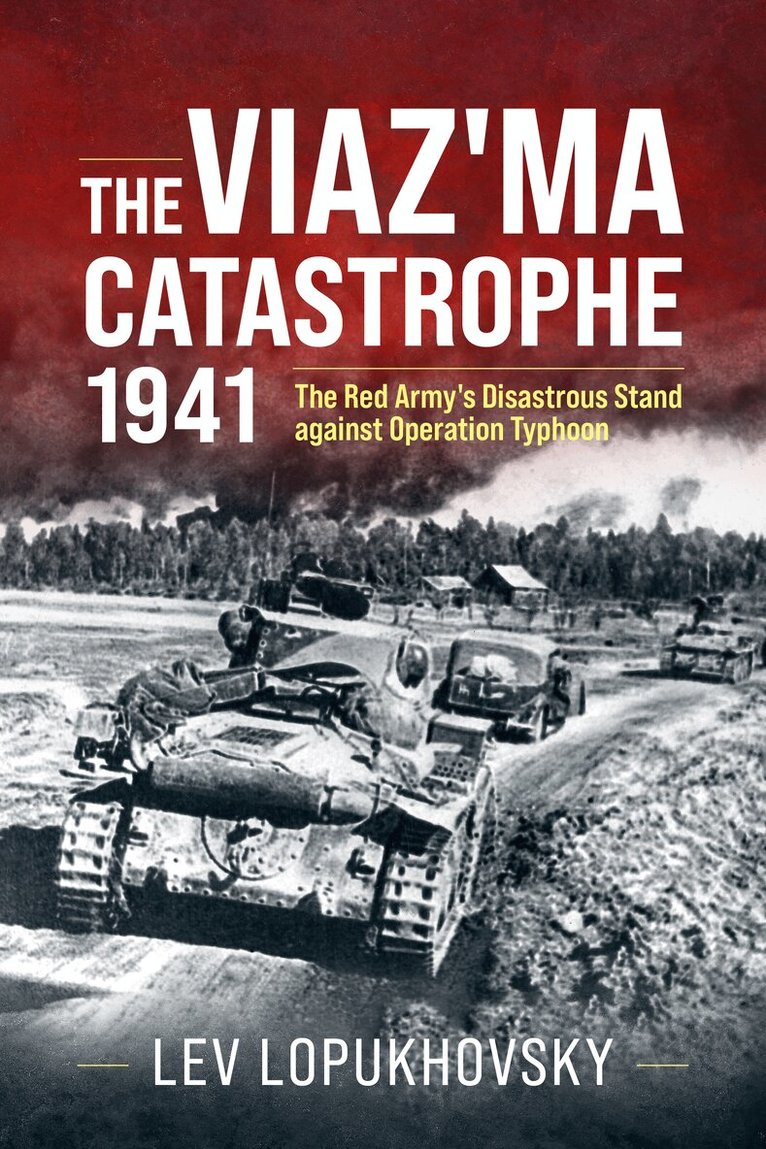
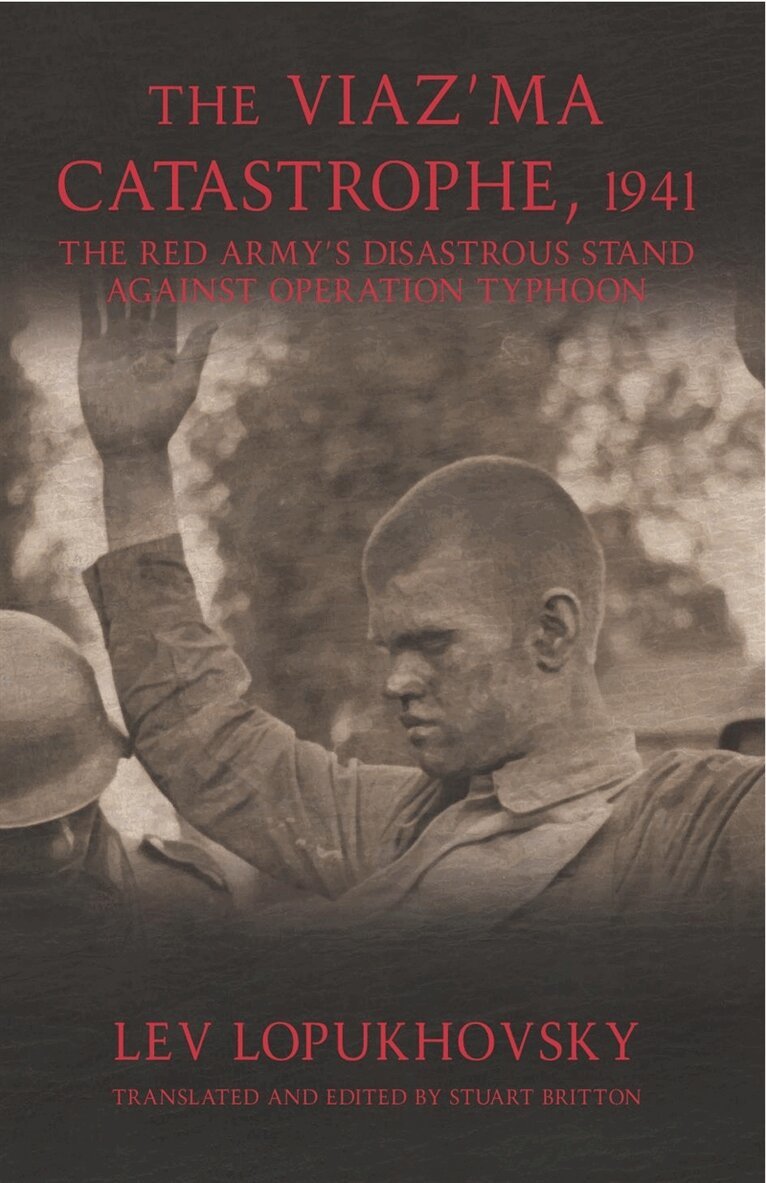
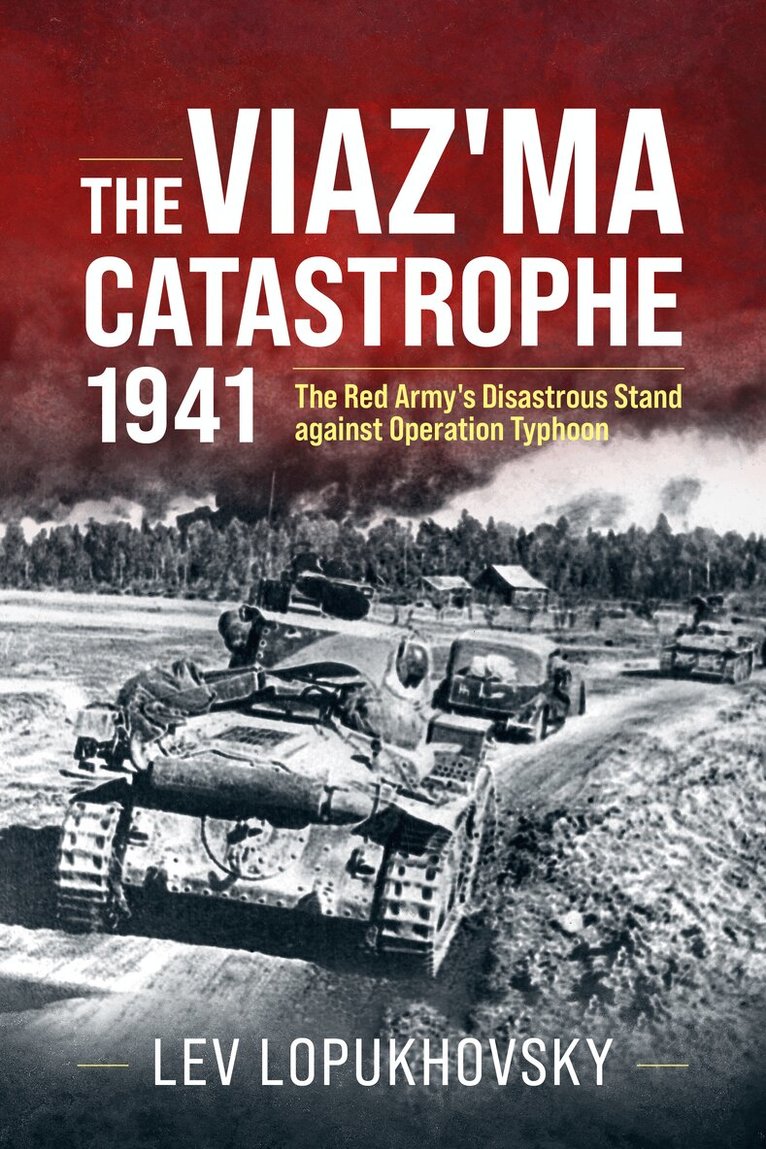
This book describes one of the most terrible tragedies of the Second World War and the events preceding it. The horrible miscalculations made by the Stavka of the Soviet Supreme High Command and the Front commands led in October 1941 to the deaths and imprisonment of hundreds of thousands of their own people. Until recently, the magnitude of the defeats suffered by the Red Army at Viaz'ma and Briansk were simply kept hushed up. For the first time, in this book a full picture of the combat operations that led to this tragedy are laid out in detail, using previously unknown or little-used documents. The author was driven to write this book after his long years of fruitless search to learn what happened to his father Colonel N.I. Lopukhovsky, the commander of the 120th Howitzer Artillery Regiment, who disappeared together with his unit in the maelstrom of Operation Typhoon. He became determined to break the official silence surrounding the military disaster on the approaches to Moscow in the autumn of 1941. In the present edition, the author additionally introduces documents from German military archives, which will doubtlessly interest not only scholars, but also students of the Eastern Front of the Second World War. Lopukhovsky substantiates his position on the matter of the true extent of the losses of the Red Army in men and equipment, which greatly exceeded the official data. In the Epilogue, he briefly discusses the searches he has conducted with the aim of revealing the circumstances surrounding the deaths of Soviet soldiers, who to this point have been listed among the missing-in-action - including his own father. The narrative is enhanced by numerous photographs, color maps and tables.Lev Nikolaevich Lopukhovsky graduated from the prestigious Frunze Military Academy in 1962 and spent the next ten years serving in the Soviet Union's Strategic Rocket forces, rising to the rank of colonel and a regiment commander, before transferring to a teaching position in the Frunze Military Academy in 1972 due to health reasons. Lopukhovsky is a professor with the Russian Federation's Academy of Military Sciences (2008), and has been a member of Russia's Union of Journalists since 2004. Since 1989 he has been engaged in the search for those defenders of the Fatherland who went missing-in-action in the Second World War, including his own father Colonel N.I. Lopukhovsky, who is now known to have been killed while breaking out of encirclement in October 1941. Motivated by his father's disappearance, he had previously taken up the intense study of the Viaz'ma defensive operation and wrote the initial manuscript of the present book. In 1980 this manuscript was rejected by military censors, because it contradicted official views. Lopukhovsky is the author of several other books about the war, including Prokhorovka bez grifa sekretnosti [Prokhorovka without the seal of secrecy] (2005), Pervye dni voiny [First days of the war] (2007) and is the co-author of Iiun' 1941: Zaprogrammirovannoe porazhenie [June 1941: A Programmed Defeat] (2010). For his active search work, he was awarded the civilian Order of the Silver Star. Stuart Britton is a freelance translator and editor residing in Cedar Rapids, Iowa. He has been responsible for making a growing number of Russian titles available to readers of the English language, consisting primarily of memoirs by Red Army veterans and recent historical research concerning the Eastern Front of the Second World War and Soviet air operations in the Korean War. Notable recent titles include Valeriy Zamulin's award-winning 'Demolishing the Myth: The Tank Battle at Prokhorovka, Kursk, July 1943: An Operational Narrative ' (Helion, 2011), Boris Gorbachevsky's 'Through the Maelstrom: A Red Army Soldier's War on the Eastern Front 1942-45' (University Press of Kansas, 2008) and Yuri Sutiagin's and Igor Seidov's 'MiG Menace Over Korea: The Story of Soviet Fighter Ace Nikolai Sutiagin'
E-bok
Engelska, 2021123 kr
Läs direkt efter köp
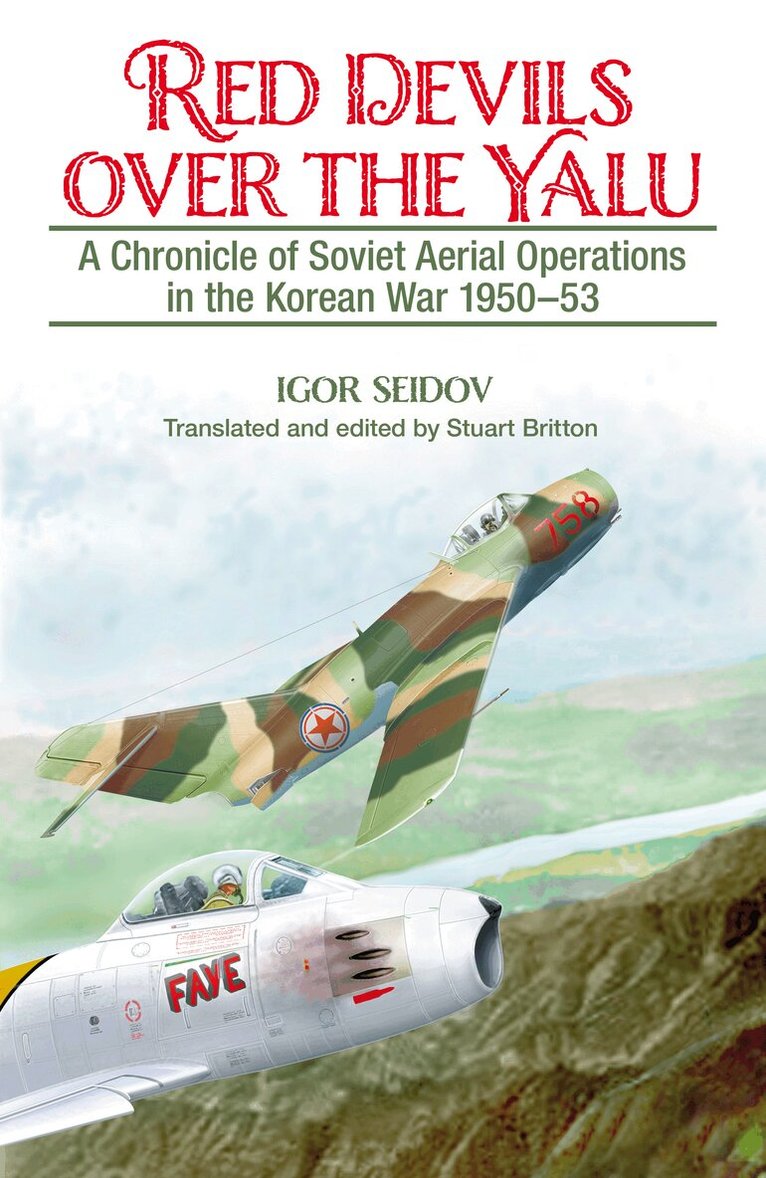
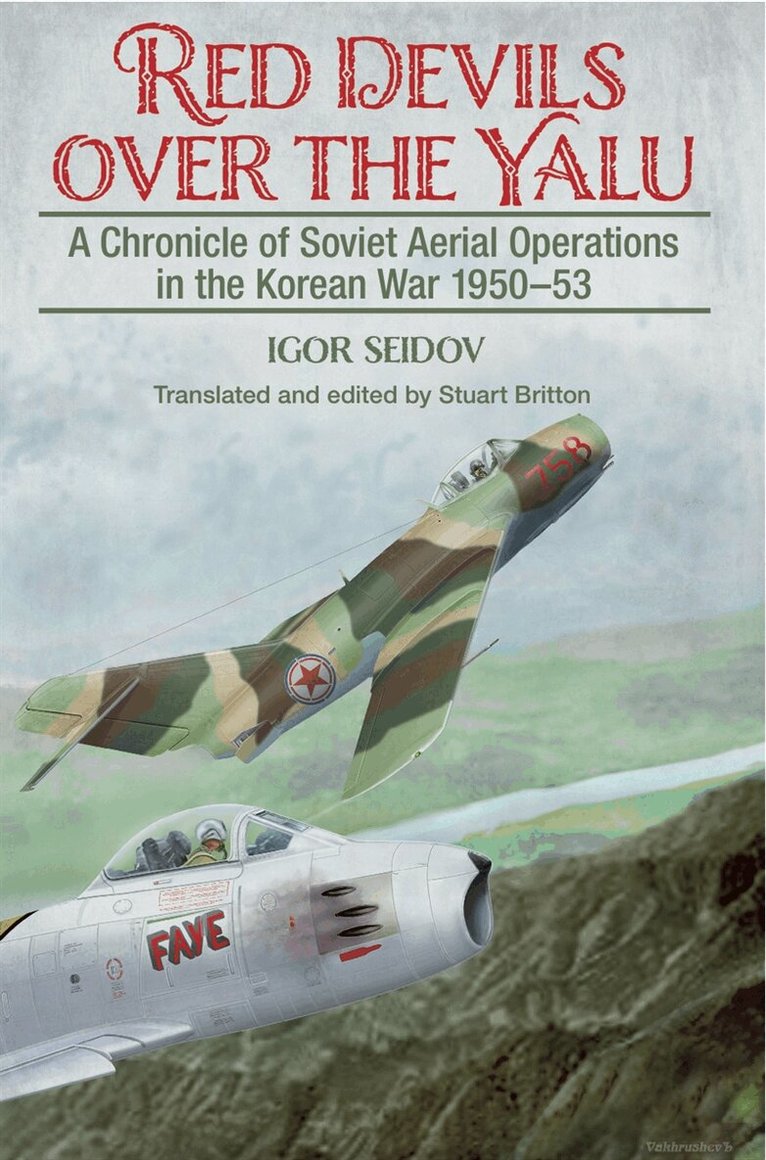
The Korean War (1950-1953) was the first - and only - full-scale air war in the jet age. It was in the skies of North Korea where Soviet and American pilots came together in fierce aerial clashes. The best pilots of the opposing systems, the most powerful air forces, and the most up-to-date aircraft in the world in this period of history came together in pitched air battles. The analysis of the air war showed that the powerful United States Air Force and its allies were unable to achieve complete superiority in the air and were unable to fulfill all the tasks they'd been given. Soviet pilots and Soviet jet fighters, which were in no way inferior to their opponents and in certain respects were even superior to them, was the reason for this. The combat experience and new tactical aerial combat tactics, which were tested for the first time in the skies of Korea, have been eagerly studied and applied by modern air forces around the world today. This book fully discusses the Soviet participation in the Korean War and presents a view of this war from the opposite side, which is still not well known in the West from the multitude of publications by Western historians. The reason for this, of course, is the fact that Soviet records pertaining to the Korean War were for a long time highly classified, since Soviet air units were fighting in the skies of North Korea "incognito", so to speak or even more so to write about this was strictly forbidden in the Soviet Union right up to its ultimate collapse. The given work is in essence the first major work in the post-Soviet era. First published in a small edition in Russian in 1998, it was republished in Russia in 2007. For the first time, the Western reader can become acquainted with the most detailed and informative work existing on the course of the air war from the Soviet side, now in English language. The work rests primarily on the recollections of veterans of this war on the so-called 'Red' side - Soviet fighter pilots, who took direct part in this war on the side of North Korea. Their stories have been supplemented with an enormous amount of archival documents, as well as the work of Western historians. The author presents a literal day-by-day chronicle of the aerial combats and combat work of Soviet fighter regiments in the period between 1950 and 1953, and dedicates this work to all the men on both sides who fought and died in the Korean air war.
Häftad, Engelska, 2018
415 kr
Skickas
E-bok
Engelska, 2021123 kr
Läs direkt efter köp
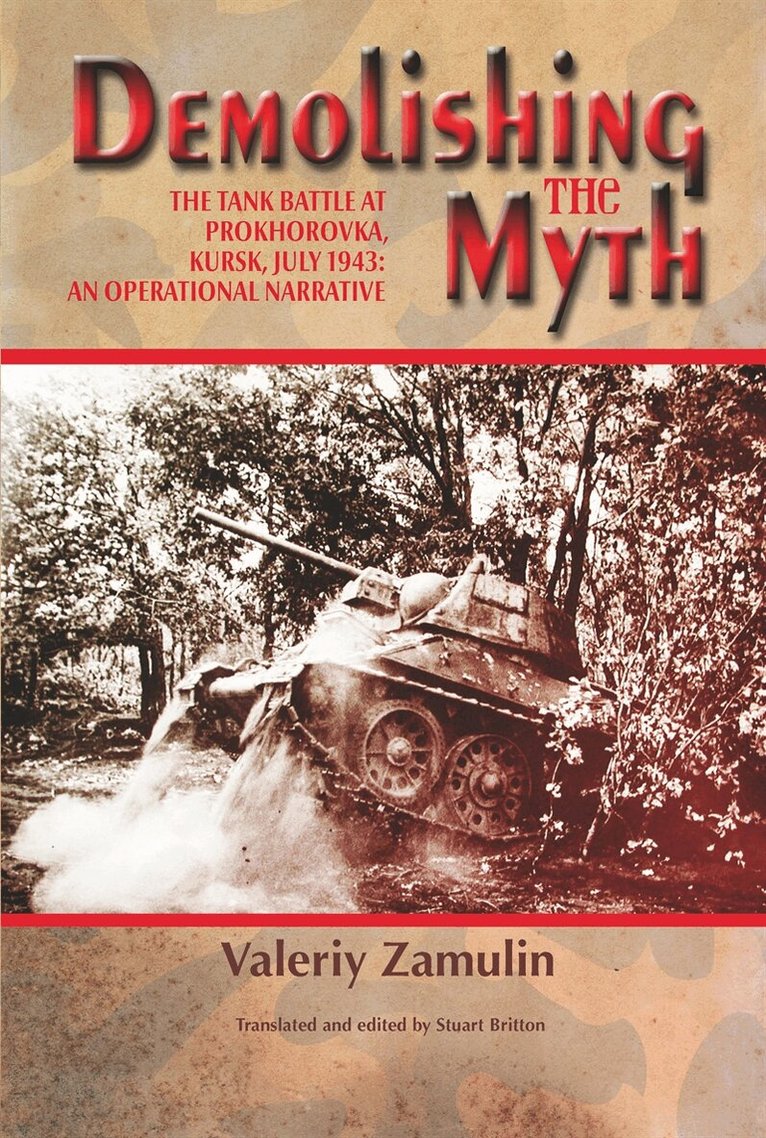
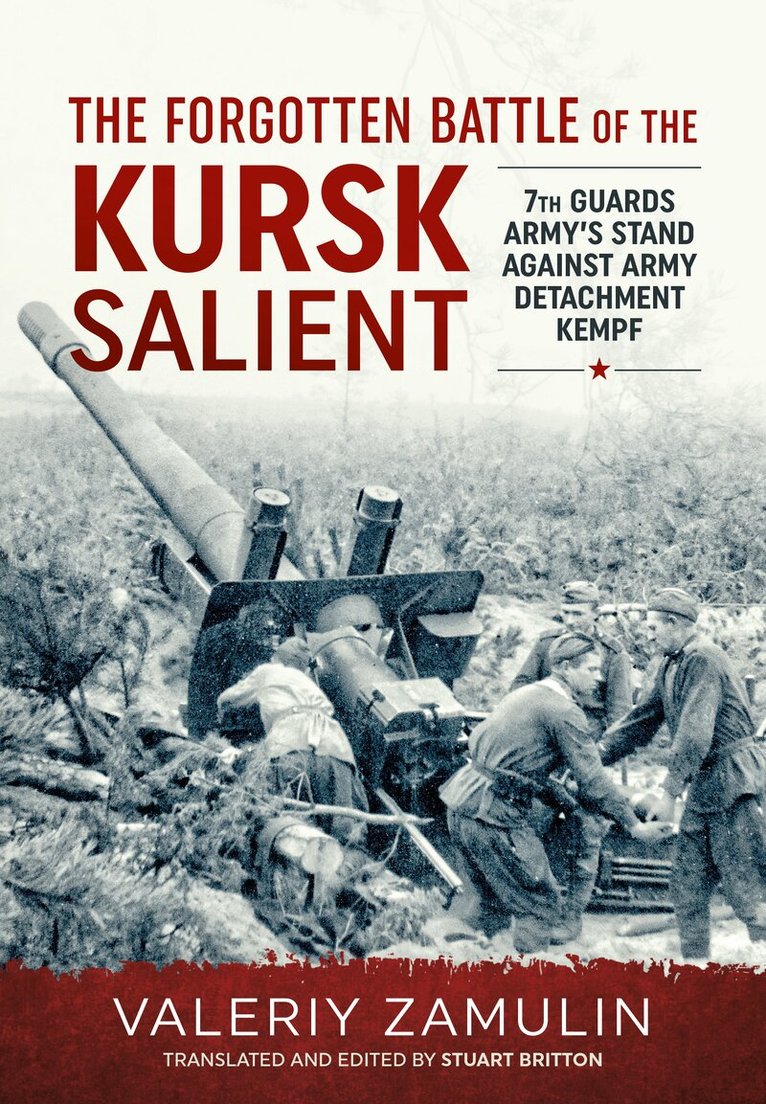
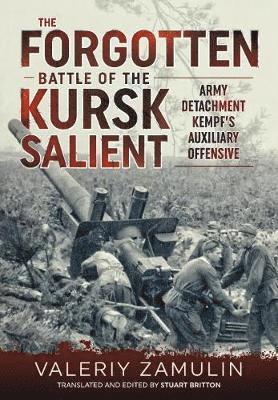
on 12 July. The combat on this day receives particular scrutiny, as Zamulin works to clarify the relative size of the contending forces, the actual area of this battle, and the costs suffered by both sides. The costs to General P. A. Rotmistrov's 5th Guards Tank Army and General A. S. Zhadov's 5th Guards Army as they slammed into 1st SS Panzer Grenadier Division Leibstandarte Adolf Hitler, 3rd SS Panzer Grenadier Division Totenkopf and a portion of 2nd SS Panzer Grenadier Division Das Reich were particularly devastating, and Zamulin examinesA groundbreaking book when first published in Russia in 2005, now Valeriy Zamulin's study of the crucible of combat during the titanic clash at Kursk - the fighting at Prokhorovka - is available in English. A former staff member of the Prokhorovka Battlefield State Museum, Zamulin has dedicated years of his life to the study of the battle of Kursk, and especially the fighting on its southern flank involving the famous attack of the II SS Panzer Corps into the teeth of deeply-echeloned Red Army defenses. A product of five years of intense research into the once-secret Central Archives of the Russian Ministry of Defense, Zamulin lays out in enormous detail the plans and tactics of both sides, culminating in the famous and controversial clash at Prokhorovka on 12 July 1943. Zamulin skillfully weaves reminiscences of Red Army and Wehrmacht soldiers and officers into the narrative of the fighting, using in part files belonging to the Prokhorovka Battlefield State Museum. Zamulin has the advantage of living in Prokhorovka, so he has walked the ground of the battlefield many times and has an intimate knowledge of the terrain.Examining the battle from primarily the Soviet side, Zamulin reveals the real costs and real achievements of the Red Army at Kursk, and especially Prokhorovka. He examines mistaken deployments and faulty decisions that hampered the Voronezh Front's efforts to contain the Fourth Panzer Army's assault, and the valiant, self-sacrificial fighting of the Red Army's soldiers and junior officers as they sought to slow the German advance, and then crush the II SS Panzer Corps with a heavy counterattack at Prokhorovka the nuts and bolts of the counteroffensive to see why this was so. Zamulin does not exclude the oft-overlooked efforts of Army Group Kempf's III Panzer Corps on the right-wing of the Fourth Panzer Army, as it sought to keep pace with the II SS Panzer Corps advance, and then breach the line of the Northern Donets River in order to link up with its left-hand neighbor in the region of Prokhorovka. Zamulin describes how the Soviet High Command and the Voronezh Front had to cobble together quickly a defense of this line with already battered units, but needed to reinforce it with fresh formations at the expense of the counterstroke at Prokhorovka. Illustrated with numerous maps and photographs (including present-day views of the battlefield), and supplemented with extensive tables of data, Zamulin's book is an outstanding contribution to the growing literature on the battle of Kursk, and further demolishes many of the myths and legends that grew up around this battle.EPUB3: Reflowable
123 kr
Läs direkt efter köp
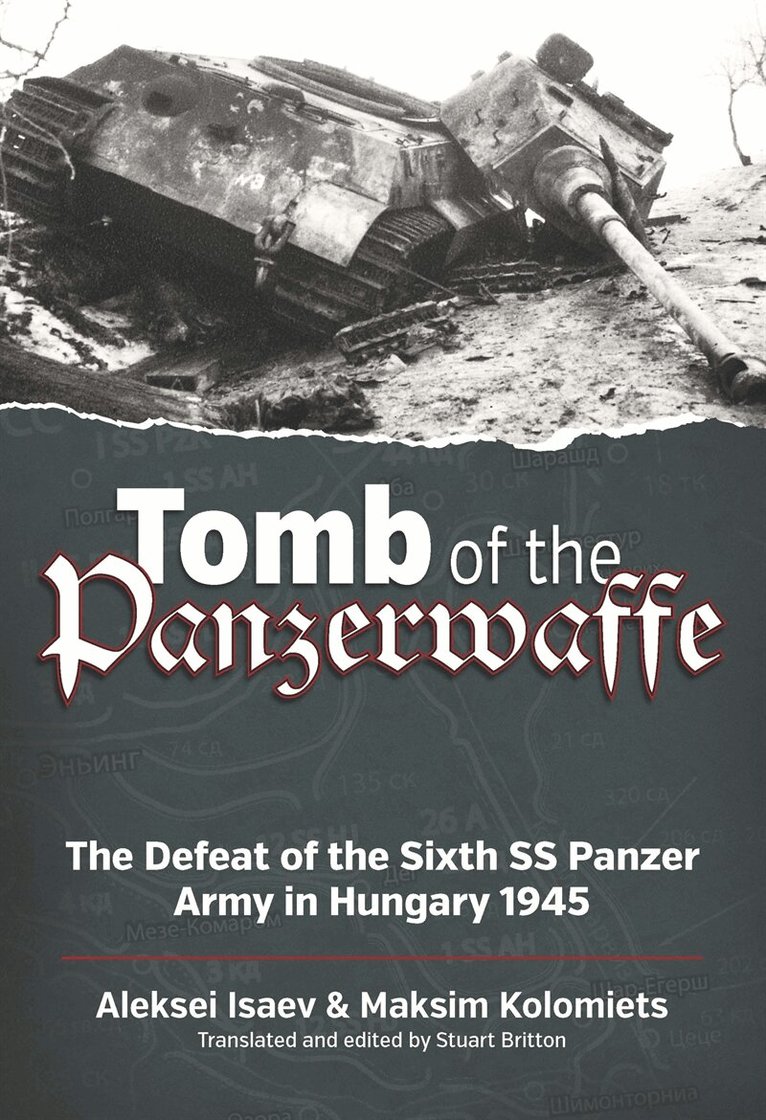
In March 1945 the German Wehrmacht undertook its final attempt to change the course of the war by launching a counteroffensive in the area of Lake Balaton, Hungary. Here, the best panzer forces of the Third Reich and the elite of the Panzerwaffe were assembled - the panzer divisions SS Leibstandarte Adolf Hitler, Das Reich, Totenkopf, Wiking and others, staffed by ardent believers in Nazism and armed with the most up-to-date combat equipment, including up to 900 tanks and self-propelled guns. At the time, this was considered a secondary axis for the Red Army, and thus the troops of the 3rd Ukrainian Front had to stop the German counteroffensive with their own forces and could not count upon reinforcements from the Stavka Reserve, which were needed for the decisive storming of Berlin. Relying upon their combat skill and rich combat experience, the Soviet troops carried out this task with honor, stopping the tidal wave of German armor and inflicting a decisive defeat and enormous, irreplaceable losses upon the enemy. The defeat of the Sixth SS Panzer Army became a genuine catastrophe for Germany, and Balaton became the tomb of the Panzerwaffe. In this book, penned by two leading Russian military historians, this major defeat suffered by the Wehrmacht has been described and analyzed for the first time using data from both Soviet and German archives. It focuses not only on Operation Spring Awakening, but also describes the preceding Konrad offensives conducted by the Germans in the effort to come to the aid of the encircled and desperate German and fascist Hungarian defenders of Budapest. This edition is lavishly illustrated with over a hundred rare photographs of destroyed or disabled German armor taken shortly after the battle by a Soviet inspection team, besides other photographs and specially commissioned color maps.EPUB3: Reflowable
Häftad, Engelska, 2022
670 kr
Skickas inom 3-6 vardagar
Häftad, Engelska, 2023
568 kr
Tillfälligt slut
Häftad, Engelska, 2011
211 kr
Tillfälligt slut
Inbunden, Engelska, 2013
619 kr
Tillfälligt slut
Inbunden, 2013
517 kr
Tillfälligt slut
Häftad, Engelska, 2016
466 kr
Tillfälligt slut
Inbunden, Engelska, 2018
364 kr
Tillfälligt slut
Häftad, Engelska, 2022
364 kr
Tillfälligt slut