Stuart Brody – författare
Visar alla böcker från författaren Stuart Brody. Handla med fri frakt och snabb leverans.
6 produkter
6 produkter
E-bok
PDF, Engelska, 2023442 kr
Läs direkt efter köp
Politicians, interest groups, and the mass media often answer questions about how AIDS is sexually transmitted as if heterosexual vaginal intercourse is a high-risk activity. When it comes to understanding how AIDS is transmitted, and formulating effective policy to deal with the spread of AIDS, America remains confused. What Brody calls ideological knowledge about AIDS is far more likely to filter through society than scientific knowledge. Sex at Risk is a comprehensive review of the scientific literature dealing with. the transmission of AIDS. Like Michael Fumento''s The Myth of Heterosexual AIDS, it exposes the mythology surrounding vaginal intercourse and AIDS transmission, Brody also looks deeply at reasons that fear of AIDS transmission from vaginal intercourse has spread so widely and profoundly, He addresses serious methodological problems in AIDS/HIV behavioral research, as well as tendentious political correctness that has done a disservice to science. Sex at Risk also comprehensively reviews the international research literature on correlates of lifetime number of sexual partners and frequency of sexual intercourse. Among topics covered are: relationships between lifetime number of sexual partners and mental health, explanations for important differences between intercourse and masturbation, the possible association of frequency with healthy functioning, and correlations between frequency and national development. Brody concludes by discussing what AIDS reveals about how politically correct thought impedes scientific progress, when taboo themes, regardless of their validity, cannot be pursued, Sex at Risk is factually grounded, yet controversial. Brody raises critical questions about much of what we have learned about AIDS from popular and professional publications, "soft scientists," and public health campaigns. It will be of interest to medical doctors, clinicians, and those interested in the sociology and psychology of knowledge.
E-bok
Engelska, 2023438 kr
Läs direkt efter köp
Politicians, interest groups, and the mass media often answer questions about how AIDS is sexually transmitted as if heterosexual vaginal intercourse is a high-risk activity. When it comes to understanding how AIDS is transmitted, and formulating effective policy to deal with the spread of AIDS, America remains confused. What Brody calls ideological knowledge about AIDS is far more likely to filter through society than scientific knowledge. Sex at Risk is a comprehensive review of the scientific literature dealing with. the transmission of AIDS. Like Michael Fumento''s The Myth of Heterosexual AIDS, it exposes the mythology surrounding vaginal intercourse and AIDS transmission, Brody also looks deeply at reasons that fear of AIDS transmission from vaginal intercourse has spread so widely and profoundly, He addresses serious methodological problems in AIDS/HIV behavioral research, as well as tendentious political correctness that has done a disservice to science. Sex at Risk also comprehensively reviews the international research literature on correlates of lifetime number of sexual partners and frequency of sexual intercourse. Among topics covered are: relationships between lifetime number of sexual partners and mental health, explanations for important differences between intercourse and masturbation, the possible association of frequency with healthy functioning, and correlations between frequency and national development. Brody concludes by discussing what AIDS reveals about how politically correct thought impedes scientific progress, when taboo themes, regardless of their validity, cannot be pursued, Sex at Risk is factually grounded, yet controversial. Brody raises critical questions about much of what we have learned about AIDS from popular and professional publications, "soft scientists," and public health campaigns. It will be of interest to medical doctors, clinicians, and those interested in the sociology and psychology of knowledge.
Häftad, Engelska, 2020
422 kr
Skickas inom 10-15 vardagar
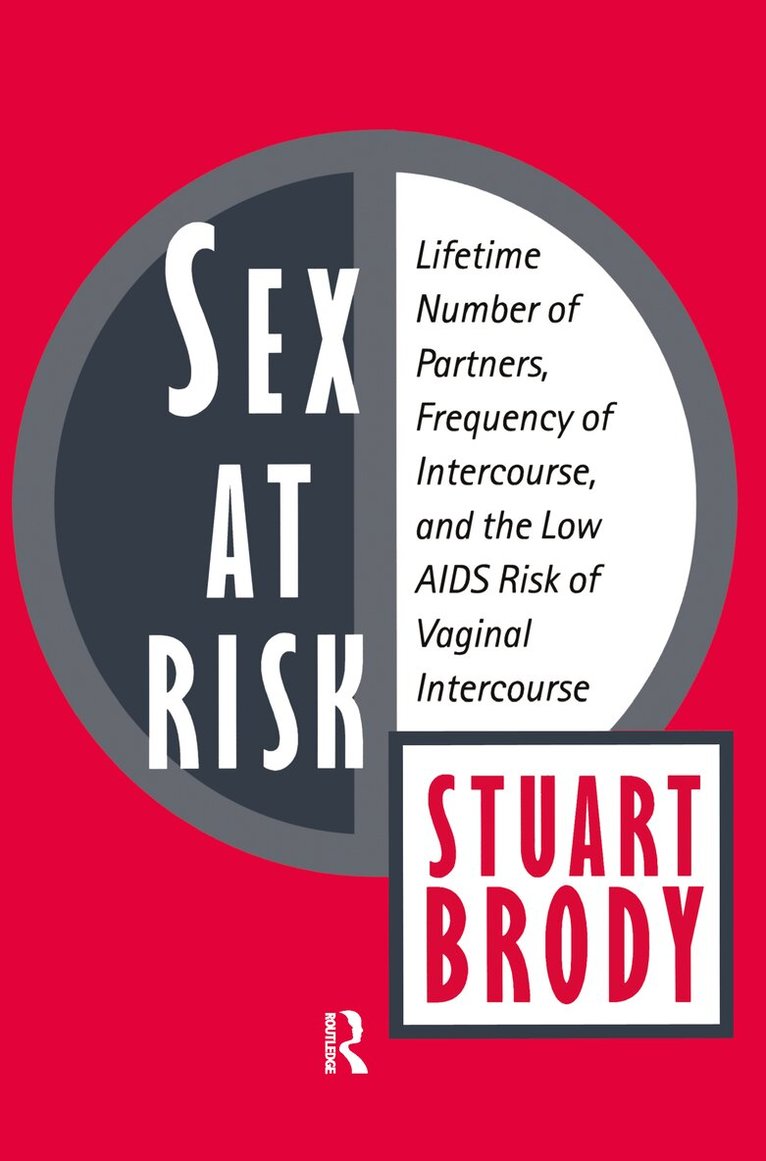
Politicians, interest groups, and the mass media often answer questions about how AIDS is sexually transmitted as if heterosexual vaginal intercourse is a high-risk activity. When it comes to understanding how AIDS is transmitted, and formulating effective policy to deal with the spread of AIDS, America remains confused. What. Brody calls ideological knowledge about AIDS is fat more likely to filter through society than scientific knowledge.Sex at Risk Is a comprehensive review of the scientific literature dealing with. the transmission of AIDS. Like Michael Fumento's The Myth of Heterosexual AIDS, it exposes the mythology surrounding vaginal intercourse and AIDS transmission, Brody also looks deeply at reasons that fear of AIDS transmission from vaginal intercourse has spread so widely and profoundly, He addresses serious methodological problems in AIDS/HIV behavioral research, as well as tendentious political correctness that has done a disservice to science.Sex at Risk also comprehensively reviews the international research literature on correlates of lifetime number of sexual partners and frequency of sexual intercourse. Among topics covered are: relationships between lifetime number of sexual partners and mental health, explanations for important differences between intercourse and masturbation, the possible association of frequency with healthy functioning, and correlations between frequency and national development.Brody concludes by discussing what AIDS reveals about how politically correct thought impedes scientific progress, when taboo themes, regardless of their validity, cannot be pursued, Sex at Risk is factually grounded, yet controversial; . Brody raises critical questions about much of what we have learned about AIDS from popular and professional publications, "soft scientists," and public health campaigns. It will be of interest to medical doctors, clinicians, and those interested in the sociology and psychology of knowledge,
E-bok
PDF, Engelska, 2012708 kr
Läs direkt efter köp
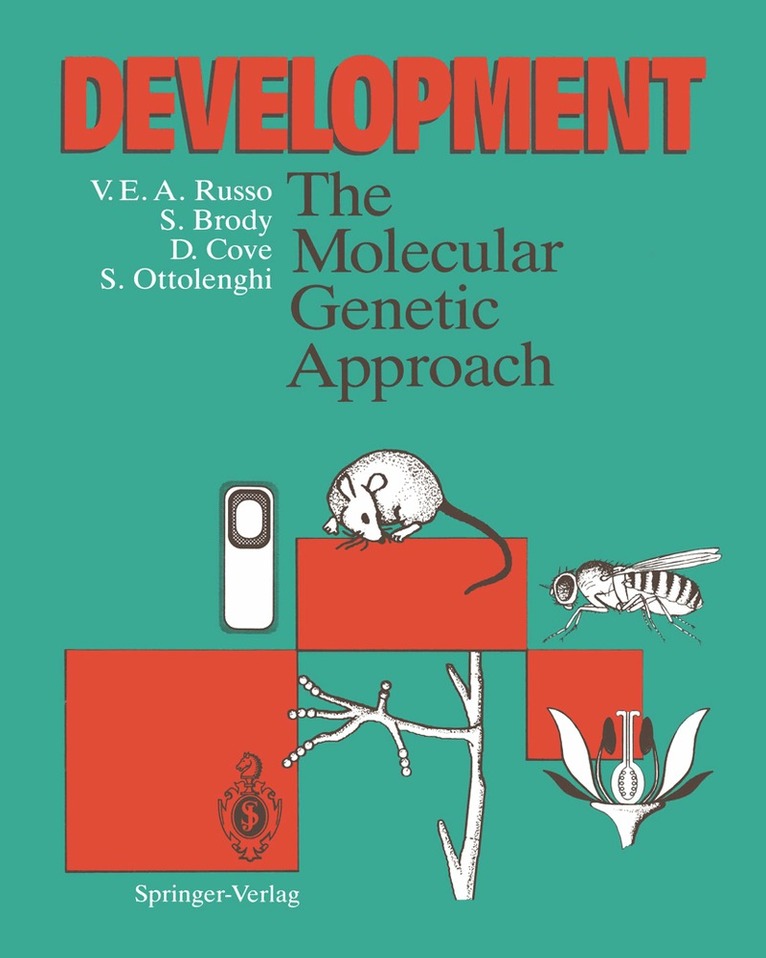
As a result of the molecular genetic analysis of development similar mechanisms for the regulation of gene expression are found in a wide range of organisms. In "Development - the Molecular Genetic Approach" these common mechanisms as well as the specific events leading to a differentiated cell are described. Particular items treated are, for example, how asymmetry is achieved, how cell size is determined, how cell division is controlled, how cell lineage influences development, how cells know their position, and how cells communicate during development.
Häftad, Engelska, 2011
561 kr
Skickas inom 10-15 vardagar
As a result of the molecular genetic analysis of development similar mechanisms for the regulation of gene expression are found in a wide range of organisms. In "Development - the Molecular Genetic Approach" these common mechanisms as well as the specific events leading to a differentiated cell are described. Particular items treated are, for example, how asymmetry is achieved, how cell size is determined, how cell division is controlled, how cell lineage influences development, how cells know their position, and how cells communicate during development.
Inbunden, Engelska, 1970
1 115 kr
Tillfälligt slut
"The new morality" has excited coun-tless public and private, formal and in-formal, scientific and non-scientific, sober and frankly provocative discus-sions. Those aspects related to sexual relationships and sexual behavior and the meaning of our "moral break-down" have been much discussed. The essays in this volume address themselves to a more subtle and po-tentially more meaningful question: What is the extent of deviance from traditional patterns of sexual rela-tionships, and what have been the legal and political implications of widespread transgression of legal and, for many, personal codes or mo-rality?This volume confronts the myths and the realities of the sexual revolution in America. As such it helps explain the limits as well as the goals of a new generation in search of new standards of conduct.