Stuart Glennan – författare
Visar alla böcker från författaren Stuart Glennan. Handla med fri frakt och snabb leverans.
12 produkter
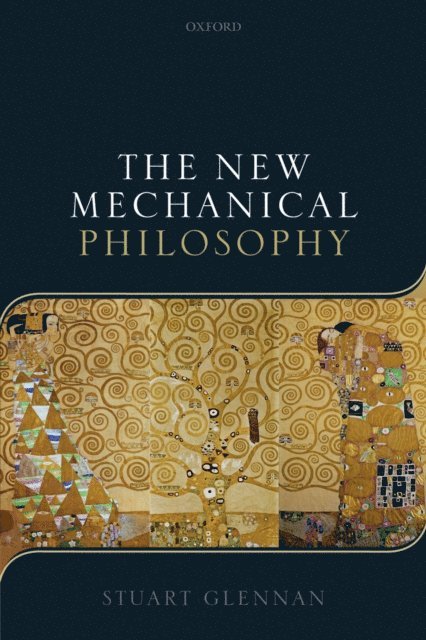
New Mechanical Philosophy
E-bok, 2017
257 kr
Lägg i varukorg
The New Mechanical Philosophy argues for a new image of nature and of science--one that understands both natural and social phenomena to be the product of mechanisms, and that casts the work of science as an effort to discover and understand those mechanisms. Drawing on an expanding literature on …
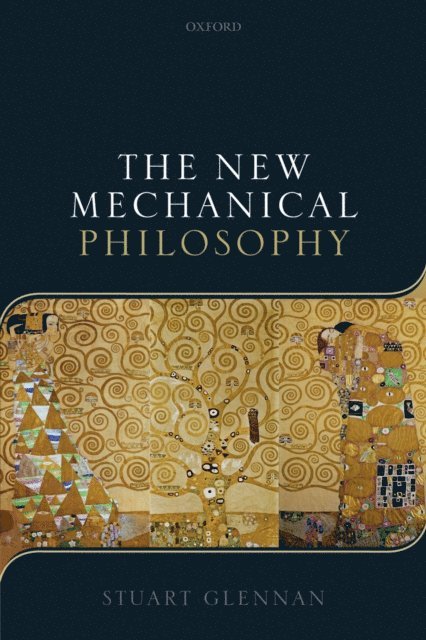
New Mechanical Philosophy
E-bok, 2017
257 kr
Lägg i varukorg
The New Mechanical Philosophy argues for a new image of nature and of science--one that understands both natural and social phenomena to be the product of mechanisms, and that casts the work of science as an effort to discover and understand those mechanisms. Drawing on an expanding literature on …
The New Mechanical Philosophy
Inbunden, 2017
834 kr
Lägg i varukorg
The New Mechanical Philosophy argues for a new image of nature and of science--one that understands both natural and social phenomena to be the product of mechanisms, and that casts the work of science as an effort to discover and understand those mechanisms. Drawing on an expanding literature on …
The New Mechanical Philosophy
Häftad, 2019
634 kr
Lägg i varukorg
The New Mechanical Philosophy argues for a new image of nature and of science--one that understands both natural and social phenomena to be the product of mechanisms, and that casts the work of science as an effort to discover and understand those mechanisms. Drawing on an expanding literature on …
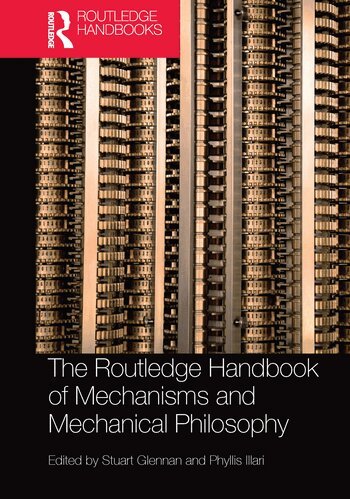
Routledge Handbook of Mechanisms and Mechanical Philosophy
Av Stuart Glennan, Phyllis Illari
Häftad, 2020
808 kr
Lägg i varukorg
Scientists studying the burning of stars, the evolution of species, DNA, the brain, the economy, and social change, all frequently describe their work as searching for mechanisms. Despite this fact, for much of the twentieth century philosophical discussions of the nature of mechanisms remained …
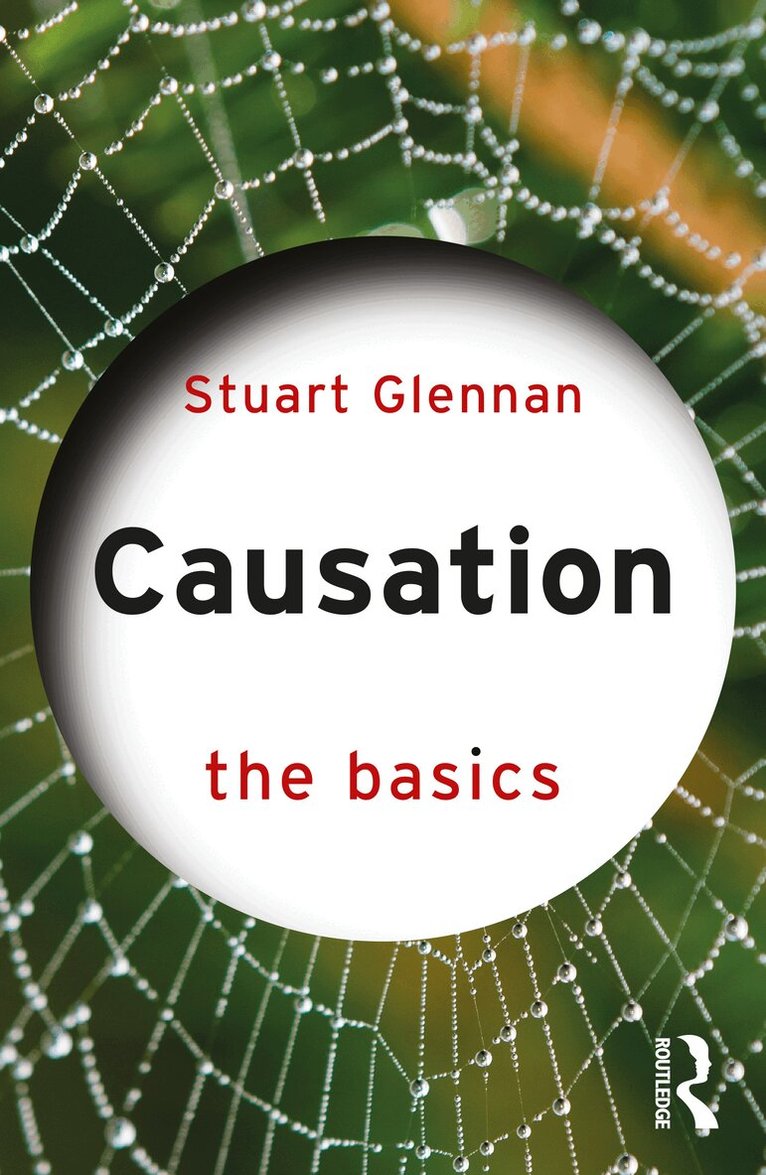
Causation: The Basics
E-bok, 2024
312 kr
Lägg i varukorg
Causation: The Basics explores questions about what causes are, and how we come to know them, describe them, and put them to use. The book begins with an introduction to the history of philosophical thinking about causation, followed by a series of chapters introducing important contemporary …
Causation: The Basics
E-bok, 2024
312 kr
Lägg i varukorg
Causation: The Basics explores questions about what causes are, and how we come to know them, describe them, and put them to use. The book begins with an introduction to the history of philosophical thinking about causation, followed by a series of chapters introducing important contemporary …
Causation: The Basics
Inbunden, 2024
2512 kr
Lägg i varukorg
Causation: The Basics explores questions about what causes are, and how we come to know them, describe them, and put them to use. The book begins with an introduction to the history of philosophical thinking about causation, followed by a series of chapters introducing important contemporary …
Causation: The Basics
Häftad, 2024
313 kr
Lägg i varukorg
Causation: The Basics explores questions about what causes are, and how we come to know them, describe them, and put them to use. The book begins with an introduction to the history of philosophical thinking about causation, followed by a series of chapters introducing important contemporary …
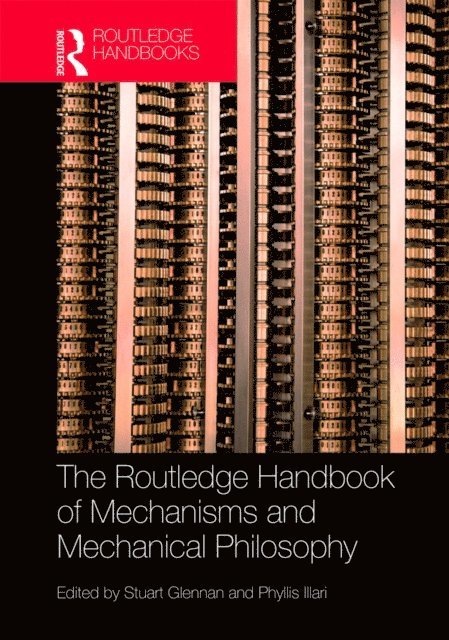
Routledge Handbook of Mechanisms and Mechanical Philosophy
Av Stuart Glennan, Phyllis Illari
Inbunden, 2017
3793 kr
Lägg i varukorg
Scientists studying the burning of stars, the evolution of species, DNA, the brain, the economy, and social change, all frequently describe their work as searching for mechanisms. Despite this fact, for much of the twentieth century philosophical discussions of the nature of mechanisms remained …
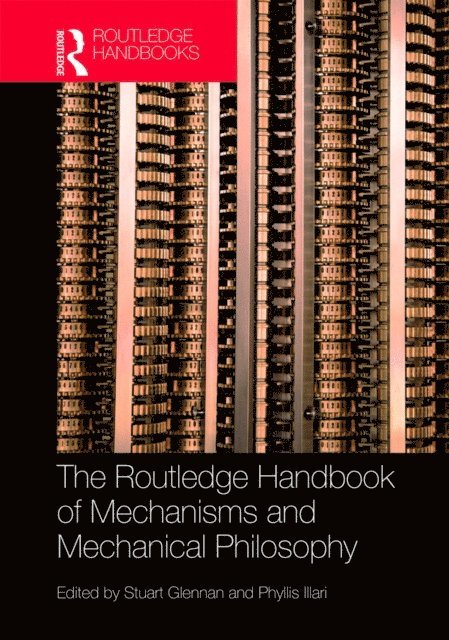
Routledge Handbook of Mechanisms and Mechanical Philosophy
Av Phyllis Illari, Stuart Glennan
E-bok, 2017
849 kr
Lägg i varukorg
Scientists studying the burning of stars, the evolution of species, DNA, the brain, the economy, and social change, all frequently describe their work as searching for mechanisms. Despite this fact, for much of the twentieth century philosophical discussions of the nature of mechanisms remained …
Routledge Handbook of Mechanisms and Mechanical Philosophy
Av Phyllis Illari, Stuart Glennan
E-bok, 2017
849 kr
Lägg i varukorg
Scientists studying the burning of stars, the evolution of species, DNA, the brain, the economy, and social change, all frequently describe their work as searching for mechanisms. Despite this fact, for much of the twentieth century philosophical discussions of the nature of mechanisms remained …