Stuart H. Gage – författare
Visar alla böcker från författaren Stuart H. Gage. Handla med fri frakt och snabb leverans.
4 produkter
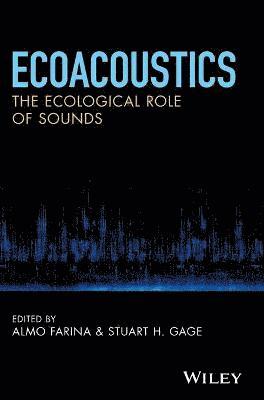
Ecoacoustics
The Ecological Role of Sounds
Av Almo Farina, Almo Farina m. fl.
Inbunden, 2017
1583 kr
Lägg i varukorg
The sounds produced by geophonic, biophonic and technophonic sources are relevant to the function of natural and human modified ecosystems. Passive recording is one of the most non-invasive technologies as its use avoids human intrusion during acoustic surveys and facilitates the accumulation of …
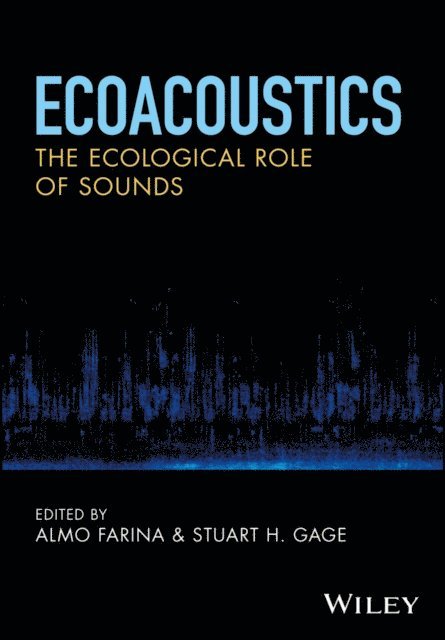
Ecoacoustics
The Ecological Role of Sounds
Av Stuart H. Gage, Almo Farina
E-bok, 2017
1841 kr
Lägg i varukorg
The sounds produced by geophonic, biophonic and technophonic sources are relevant to the function of natural and human modified ecosystems. Passive recording is one of the most non-invasive technologies as its use avoids human intrusion during acoustic surveys and facilitates the accumulation of …
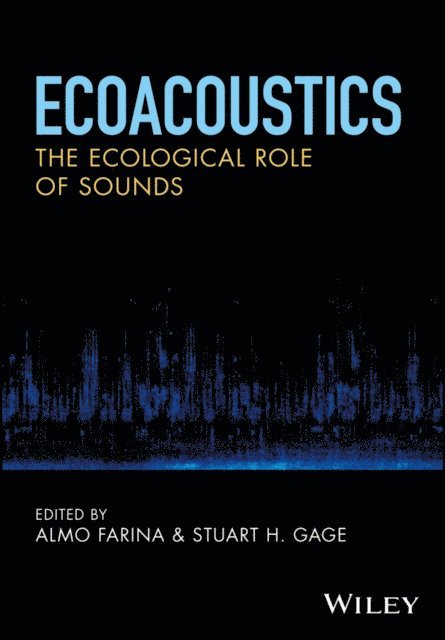
Ecoacoustics
The Ecological Role of Sounds
Av Stuart H. Gage, Almo Farina
E-bok, 2017
1841 kr
Lägg i varukorg
The sounds produced by geophonic, biophonic and technophonic sources are relevant to the function of natural and human modified ecosystems. Passive recording is one of the most non-invasive technologies as its use avoids human intrusion during acoustic surveys and facilitates the accumulation of …
Flow of Life in the Atmosphere
An Airscape Approach to Understanding Invasive Organisms
Av Scott A. Isard, Stuart H. Gage
Häftad, 2000
986 kr
Tillfälligt slut
As we enter the twenty-first century the ultimate objective of environmental management programs should be to manipulate ecosystems so that they fulfill the needs of humans and at the same time maintain their integrity. In this new ground-breaking work, Scott Isard and Stuart Gage look at the …