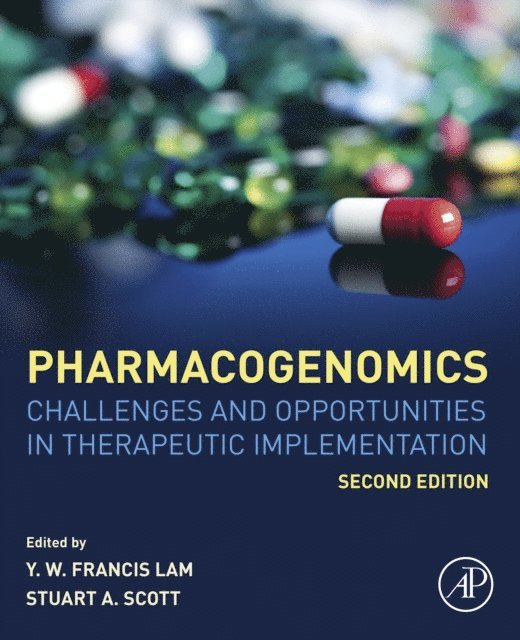
Pharmacogenomics: Challenges and Opportunities in Therapeutic Implementation, Second Edition, provides comprehensive coverage of the challenges and opportunities facing the therapeutic implications of pharmacogenomics from academic, regulatory, pharmaceutical, socio-ethical and economic perspectives. While emphasis is on the limitations in moving the science into drug development and direct therapeutic applications, this book also focuses on clinical areas with successful applications and important initiatives that have the ability to further advance the discipline. New chapters cover important topics such as pharmacogenomic data technologies, clinical testing strategies, cost-effectiveness, and pharmacogenomic education and practice guidelines. The importance of ethnicity is also discussed, which highlights phar,acogenomic diversity across Latin American populations.With chapters written by interdisciplinary experts and insights into the future direction of the field, this book is an indispensable resource for academic and industry scientists, graduate students and clinicians engaged in pharmacogenomics research and therapeutic implementation. Provides viewpoints that focus on the scientific and translational challenges and opportunities associated with advancing the field of pharmacogenomics Highlights progress in both the research and clinical areas of pharmacogenomics, as well as relevant implementation experience, challenges, and perspectives on direct-to-consumer genetic testing Includes, where applicable, discussion points, review questions, and cases for self-assessment purposes and to facilitate in-depth discussion
Pharmacogenomics: Challenges and Opportunities in Therapeutic Implementation, Second Edition, provides comprehensive coverage of the challenges and opportunities facing the therapeutic implications of pharmacogenomics from academic, regulatory, pharmaceutical, socio-ethical and economic perspectives. While emphasis is on the limitations in moving the science into drug development and direct therapeutic applications, this book also focuses on clinical areas with successful applications and important initiatives that have the ability to further advance the discipline. New chapters cover important topics such as pharmacogenomic data technologies, clinical testing strategies, cost-effectiveness, and pharmacogenomic education and practice guidelines. The importance of ethnicity is also discussed, which highlights phar,acogenomic diversity across Latin American populations.With chapters written by interdisciplinary experts and insights into the future direction of the field, this book is an indispensable resource for academic and industry scientists, graduate students and clinicians engaged in pharmacogenomics research and therapeutic implementation.- Provides viewpoints that focus on the scientific and translational challenges and opportunities associated with advancing the field of pharmacogenomics- Highlights progress in both the research and clinical areas of pharmacogenomics, as well as relevant implementation experience, challenges, and perspectives on direct-to-consumer genetic testing- Includes, where applicable, discussion points, review questions, and cases for self-assessment purposes and to facilitate in-depth discussion
The sequel to "Battle-axe Blenheims", this is the true account of the heroic exploits of a famous bomber squadron between 1942 and 1945, taking up where the first book left off. No.105 Squadron was the first RAF bomber squadron to fly the de Havilland Mosquito. The book looks firstly at the squadron's operations pioneering low-level and shallow dive attacks on enemy targets. In the face of deadly anti-aircraft fire, these operations resulted in a high casualty rate, with many awards for bravery handed out to aircrews. The squadron transferred to the elite No.8 (Pathfinder Force) Group where it flew high level precision "Oboe" target marking sorties in support of Main Force bombing attacks. The author includes in his narrative the Battle of the Ruhr in 1943, the opening of the Second Front in 1944, and the Battle of the Bulge in 1944-45. The concluding period covers the immediate post-war emergency food supply drops to the starving people of Holland before the squadron finally disbanded. First-hand accounts from surviving Mosquito crews are used by the author to support his narrative, combined with many previously unpublished photographs.
Pharmacogenomics: Challenges and Opportunities in Therapeutic Implementation, Second Edition, provides comprehensive coverage of the challenges and opportunities facing the therapeutic implications of pharmacogenomics from academic, regulatory, pharmaceutical, socio-ethical and economic perspectives. While emphasis is on the limitations in moving the science into drug development and direct therapeutic applications, this book also focuses on clinical areas with successful applications and important initiatives that have the ability to further advance the discipline. New chapters cover important topics such as pharmacogenomic data technologies, clinical testing strategies, cost-effectiveness, and pharmacogenomic education and practice guidelines. The importance of ethnicity is also discussed, which highlights phar,acogenomic diversity across Latin American populations.With chapters written by interdisciplinary experts and insights into the future direction of the field, this book is an indispensable resource for academic and industry scientists, graduate students and clinicians engaged in pharmacogenomics research and therapeutic implementation. Provides viewpoints that focus on the scientific and translational challenges and opportunities associated with advancing the field of pharmacogenomics Highlights progress in both the research and clinical areas of pharmacogenomics, as well as relevant implementation experience, challenges, and perspectives on direct-to-consumer genetic testing Includes, where applicable, discussion points, review questions, and cases for self-assessment purposes and to facilitate in-depth discussion
Pharmacogenomics: Challenges and Opportunities in Therapeutic Implementation, Second Edition, provides comprehensive coverage of the challenges and opportunities facing the therapeutic implications of pharmacogenomics from academic, regulatory, pharmaceutical, socio-ethical and economic perspectives. While emphasis is on the limitations in moving the science into drug development and direct therapeutic applications, this book also focuses on clinical areas with successful applications and important initiatives that have the ability to further advance the discipline. New chapters cover important topics such as pharmacogenomic data technologies, clinical testing strategies, cost-effectiveness, and pharmacogenomic education and practice guidelines. The importance of ethnicity is also discussed, which highlights phar,acogenomic diversity across Latin American populations.With chapters written by interdisciplinary experts and insights into the future direction of the field, this book is an indispensable resource for academic and industry scientists, graduate students and clinicians engaged in pharmacogenomics research and therapeutic implementation.- Provides viewpoints that focus on the scientific and translational challenges and opportunities associated with advancing the field of pharmacogenomics- Highlights progress in both the research and clinical areas of pharmacogenomics, as well as relevant implementation experience, challenges, and perspectives on direct-to-consumer genetic testing- Includes, where applicable, discussion points, review questions, and cases for self-assessment purposes and to facilitate in-depth discussion
The sequel to "Battle-axe Blenheims", this is the true account of the heroic exploits of a famous bomber squadron between 1942 and 1945, taking up where the first book left off. No.105 Squadron was the first RAF bomber squadron to fly the de Havilland Mosquito. The book looks firstly at the squadron's operations pioneering low-level and shallow dive attacks on enemy targets. In the face of deadly anti-aircraft fire, these operations resulted in a high casualty rate, with many awards for bravery handed out to aircrews. The squadron transferred to the elite No.8 (Pathfinder Force) Group where it flew high level precision "Oboe" target marking sorties in support of Main Force bombing attacks. The author includes in his narrative the Battle of the Ruhr in 1943, the opening of the Second Front in 1944, and the Battle of the Bulge in 1944-45. The concluding period covers the immediate post-war emergency food supply drops to the starving people of Holland before the squadron finally disbanded. First-hand accounts from surviving Mosquito crews are used by the author to support his narrative, combined with many previously unpublished photographs.