Sue Harrington – författare
Visar alla böcker från författaren Sue Harrington. Handla med fri frakt och snabb leverans.
23 produkter
Kingdom and People of Kent AD 400-1066
Their History and Archaeology
Av Sue Harrington, Stuart Brookes
Häftad, 2010
199 kr
Lägg i varukorg
The roots of England lie within the fertile soil of its earliest kingdom, that of the people of Kent. Here, for a brief moment under King Æthelbert of Kent (c.560-616) this corner of England was transformed into the first Anglo-Saxon and Christian kingdom. But who were the Anglo-Saxons and what …
Aspects of Gender Identity and Craft Production in the European Migration Period
Iron Weaving Beaters and Associated Textile Making Tools from England, Norway and Alamannia
Häftad, 2008
399 kr
Lägg i varukorg
Studies in Early Anglo-Saxon Art and Archaeology: Papers in Honour of Martin G. Welch
Av Stuart Brookes, Sue Harrington m. fl.
Häftad, 2011
391 kr
Lägg i varukorg
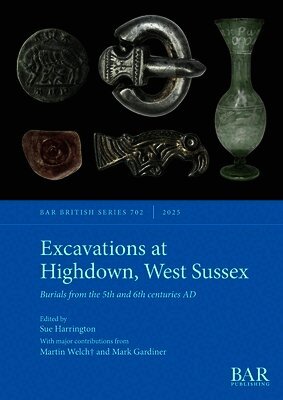
Excavations at Highdown, West Sussex
Burials from the 5th and 6th centuries AD
Häftad, 2025
1442 kr
Lägg i varukorg
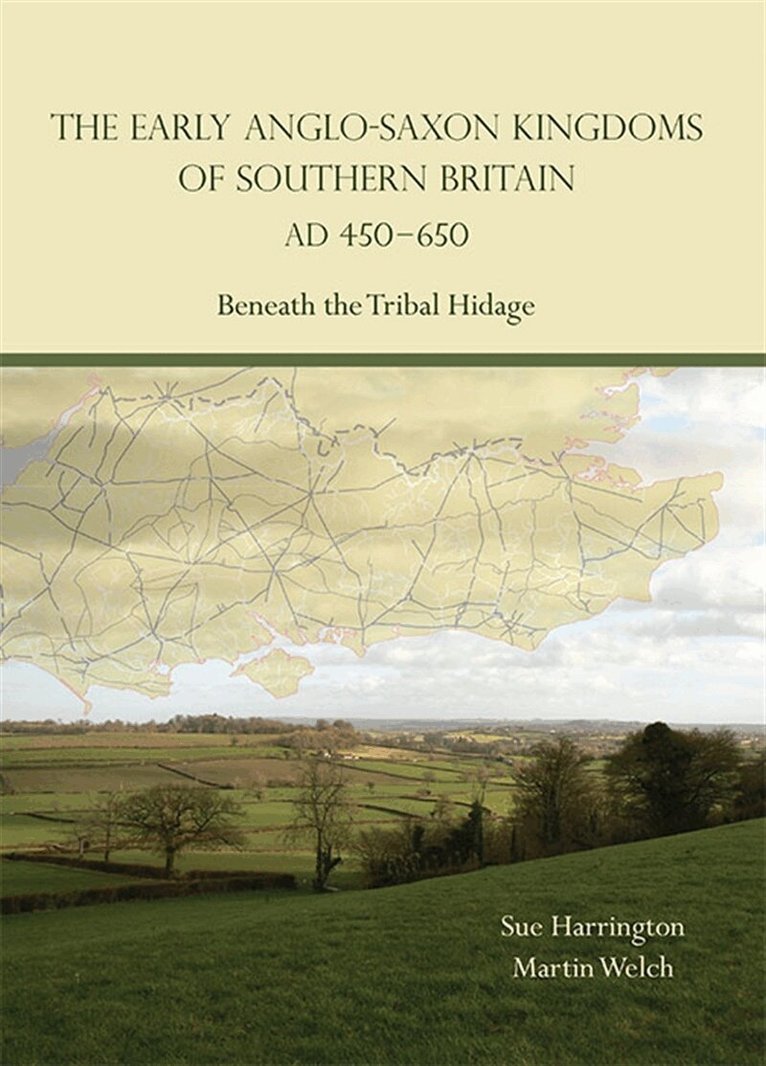
The Early Anglo-Saxon Kingdoms of Southern Britain AD 450-650
Beneath the Tribal Hidage
Av Sue Harrington, Martin Welch
E-bok, 2021
127 kr
Lägg i varukorg
The Tribal Hidage, attributed to the 7th century, records the named groups and polities of early Anglo-Saxon England and the taxation tribute due from their lands and surpluses. Whilst providing some indication of relative wealth and its distribution, rather little can be deduced from the Hidage …