Sue Saunders – författare
Visar alla böcker från författaren Sue Saunders. Handla med fri frakt och snabb leverans.
11 produkter
In Holland Stands a House
Av Sue Saunders
E-bok, 2018
76 kr
Lägg i varukorg
This is the poignant story of Anne Frank who, with her family, went into hiding from the Nazis. The play skillfully interweaves a dramatised account of events in occupied Europe with domestic scenes from the secret annexe. Here, Anne’s family and friends escaped detection for more than two …
Maybe Baby
Navigating the emotional journey through assisted fertiltiy (Large Print 16 Pt Edition)
Av Sue Saunders
Häftad, 2021
456 kr
Lägg i varukorg
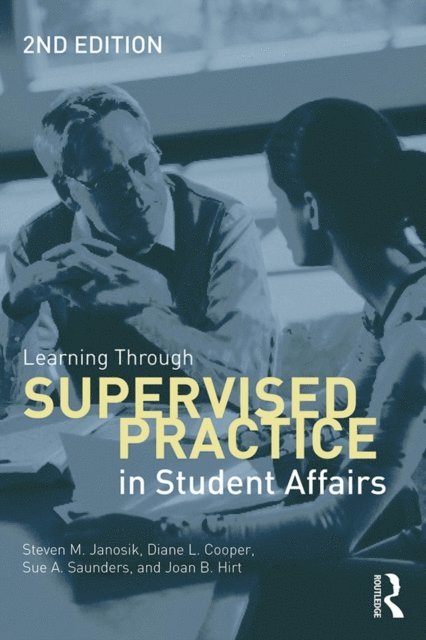
Learning Through Supervised Practice in Student Affairs
Av Steven Janosik, Diane Cooper m. fl.
Inbunden, 2014
2433 kr
Lägg i varukorg
For future student affairs professionals and higher education administrators, the supervised practice experience is where theory learned in the classroom is put into practice. Learning through Supervised Practice in Student Affairs assists students in applying leadership, advising, conflict …
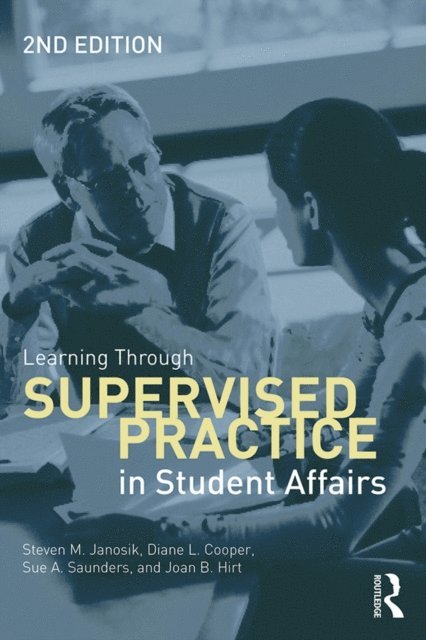
Learning Through Supervised Practice in Student Affairs
Av Steven Janosik, Diane Cooper m. fl.
Häftad, 2014
740 kr
Lägg i varukorg
For future student affairs professionals and higher education administrators, the supervised practice experience is where theory learned in the classroom is put into practice. Learning through Supervised Practice in Student Affairs assists students in applying leadership, advising, conflict …
White Poppies Heinemann Plays
Av Sue Saunders
Inbunden, 2009
339 kr
Lägg i varukorg
When Tom Headley enlists underage in the Great War, he and his childhood friends head straight to the front line as tunnellers. In tragic circumstances, Tom is blamed for the deaths of his comrades. His family and sweetheart back home are shunned by the community. Eighty years later, a young …
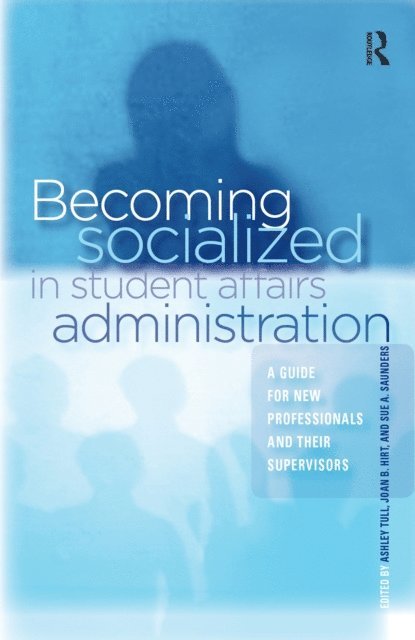
Becoming Socialized in Student Affairs Administration
A Guide for New Professionals and Their Supervisors
Av Sue Saunders, Joan B. Hirt m. fl.
E-bok, 2023
494 kr
Lägg i varukorg
Effective socialization of new student affairs professionals is essential—both for the individual success of these practitioners, and for the work of a college or university that promotes student learning. It enables new professionals to manage the important personal and professional transitions …
Becoming Socialized in Student Affairs Administration
A Guide for New Professionals and Their Supervisors
Av Sue Saunders, Joan B. Hirt m. fl.
E-bok, 2023
494 kr
Lägg i varukorg
Effective socialization of new student affairs professionals is essential—both for the individual success of these practitioners, and for the work of a college or university that promotes student learning. It enables new professionals to manage the important personal and professional transitions …
Learning Through Supervised Practice in Student Affairs
Av Joan Hirt, Sue Saunders m. fl.
E-bok, 2014
875 kr
Lägg i varukorg
For future student affairs professionals and higher education administrators, the supervised practice experience is where theory learned in the classroom is put into practice. Learning through Supervised Practice in Student Affairs assists students in applying leadership, advising, conflict …
Learning Through Supervised Practice in Student Affairs
Av Joan Hirt, Sue Saunders m. fl.
E-bok, 2014
875 kr
Lägg i varukorg
For future student affairs professionals and higher education administrators, the supervised practice experience is where theory learned in the classroom is put into practice. Learning through Supervised Practice in Student Affairs assists students in applying leadership, advising, conflict …
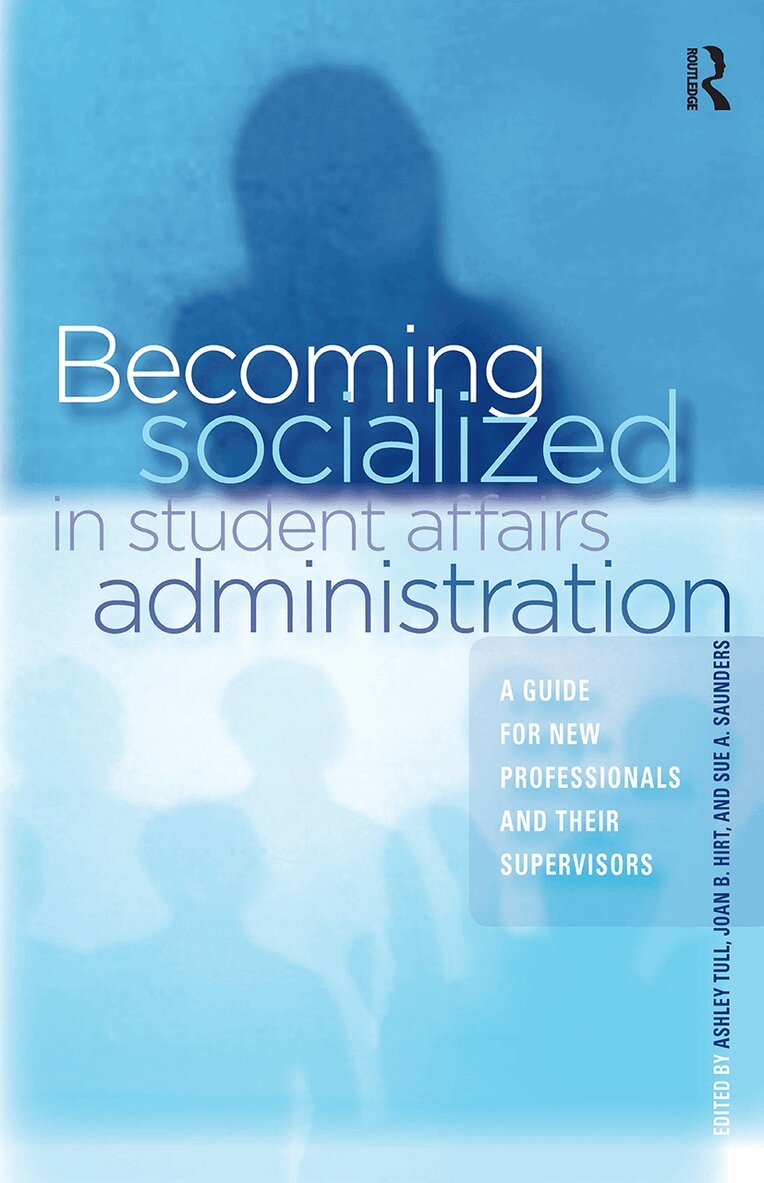
Becoming Socialized in Student Affairs Administration
A Guide for New Professionals and Their Supervisors
Av Ashley Tull, Joan B. Hirt m. fl.
Häftad, 2009
515 kr
Lägg i varukorg
Effective socialization of new student affairs professionals is essential—both for the individual success of these practitioners, and for the work of a college or university that promotes student learning. It enables new professionals to manage the important personal and professional transitions …