Suhasini Madhekar - Böcker
Visar alla böcker från författaren Suhasini Madhekar. Handla med fri frakt och snabb leverans.
4 produkter
4 produkter
1 626 kr
Skickas inom 10-15 vardagar
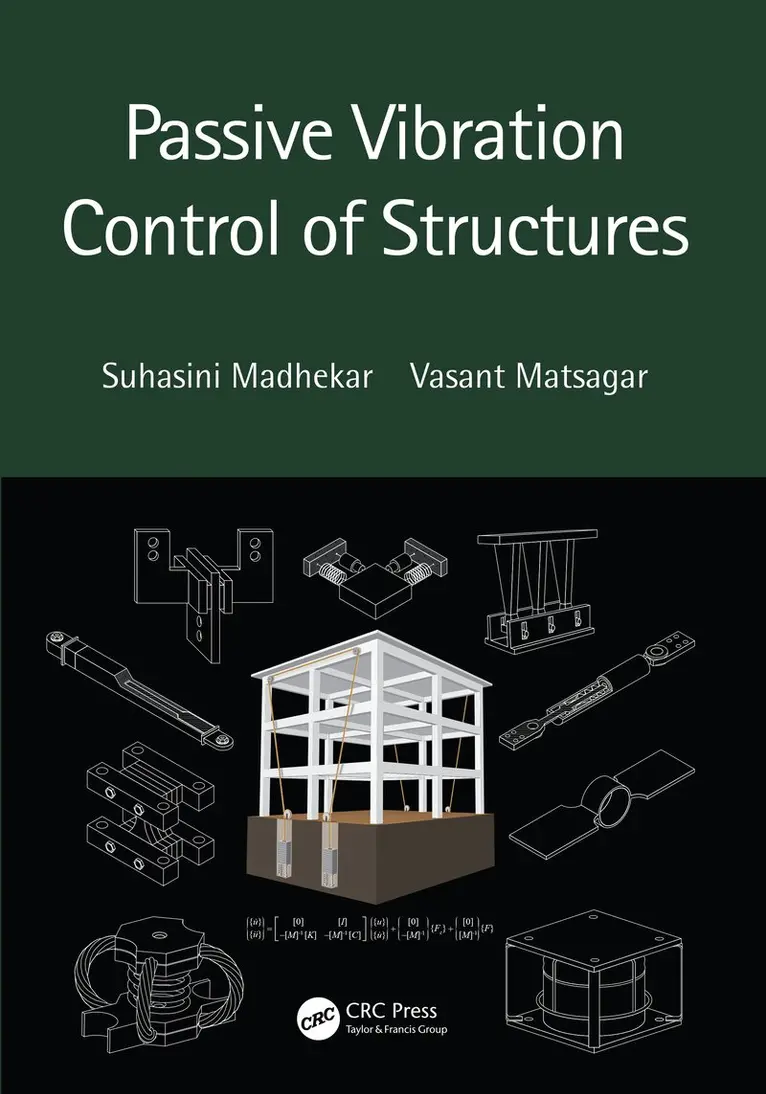
Research in vibration response control deals not only with prevention of catastrophic failures of structures during natural or accidental/manmade hazards but also ensures the comfort of occupants through serviceability. Therefore, the focus of this book is on the theory of dynamic response control of structures by using different kinds of passive vibration control devices. The strategies used for controlling displacement, velocity, and acceleration response of structures such as buildings, bridges, and liquid storage tanks under the action of dynamic loads emanating from earthquake, wind, wave, and so forth are detailed.The book:Explains fundamentals of vibration response control devices and their practical applications in response mitigation of structures exposed to earthquake, wind, and wave loadingOffers a comprehensive overview of each passive damper, its functioning, and mathematical modeling in a dynamical systemCovers practical aspects of employing the passive control devices to some of the benchmark problems that are developed from existing buildings and bridges in different countries worldwideIncludes MATLAB® codes for determining the dynamic response of single degree of freedom (SDOF) and multi-degree of freedom (MDOF) systems along with computational models of the passive control devicesThis book is aimed at senior undergraduate students, graduate students, and researchers in civil, earthquake, aerospace, automotive, mechanical engineering, engineering dynamics, and vibration control, including structural engineers, architects, designers, manufacturers, and other professionals.
2 491 kr
Skickas inom 10-15 vardagar
Research in vibration response control deals not only with prevention of catastrophic failures of structures during natural or accidental/manmade hazards but also ensures the comfort of occupants through serviceability. Therefore, the focus of this book is on the theory of dynamic response control of structures by using different kinds of passive vibration control devices. The strategies used for controlling displacement, velocity, and acceleration response of structures such as buildings, bridges, and liquid storage tanks under the action of dynamic loads emanating from earthquake, wind, wave, and so forth are detailed.The book:Explains fundamentals of vibration response control devices and their practical applications in response mitigation of structures exposed to earthquake, wind, and wave loadingOffers a comprehensive overview of each passive damper, its functioning, and mathematical modeling in a dynamical systemCovers practical aspects of employing the passive control devices to some of the benchmark problems that are developed from existing buildings and bridges in different countries worldwideIncludes MATLAB® codes for determining the dynamic response of single degree of freedom (SDOF) and multi-degree of freedom (MDOF) systems along with computational models of the passive control devicesThis book is aimed at senior undergraduate students, graduate students, and researchers in civil, earthquake, aerospace, automotive, mechanical engineering, engineering dynamics, and vibration control, including structural engineers, architects, designers, manufacturers, and other professionals.
963 kr
Skickas inom 10-15 vardagar
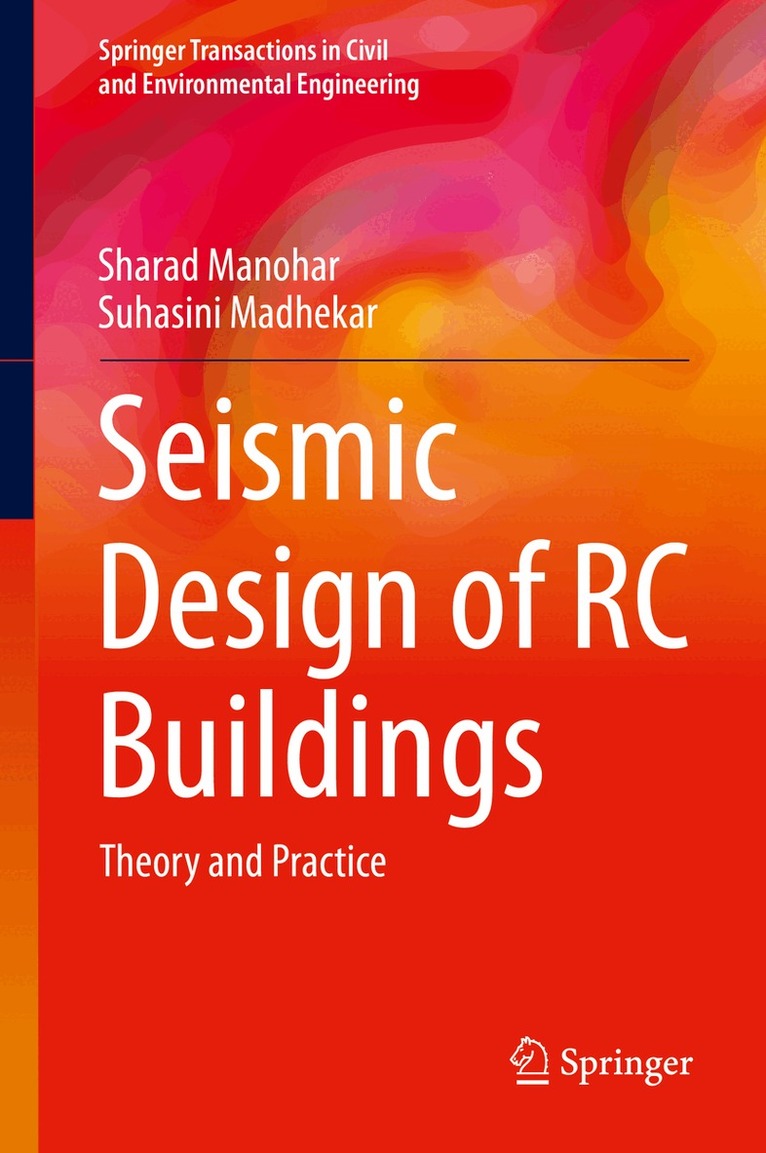
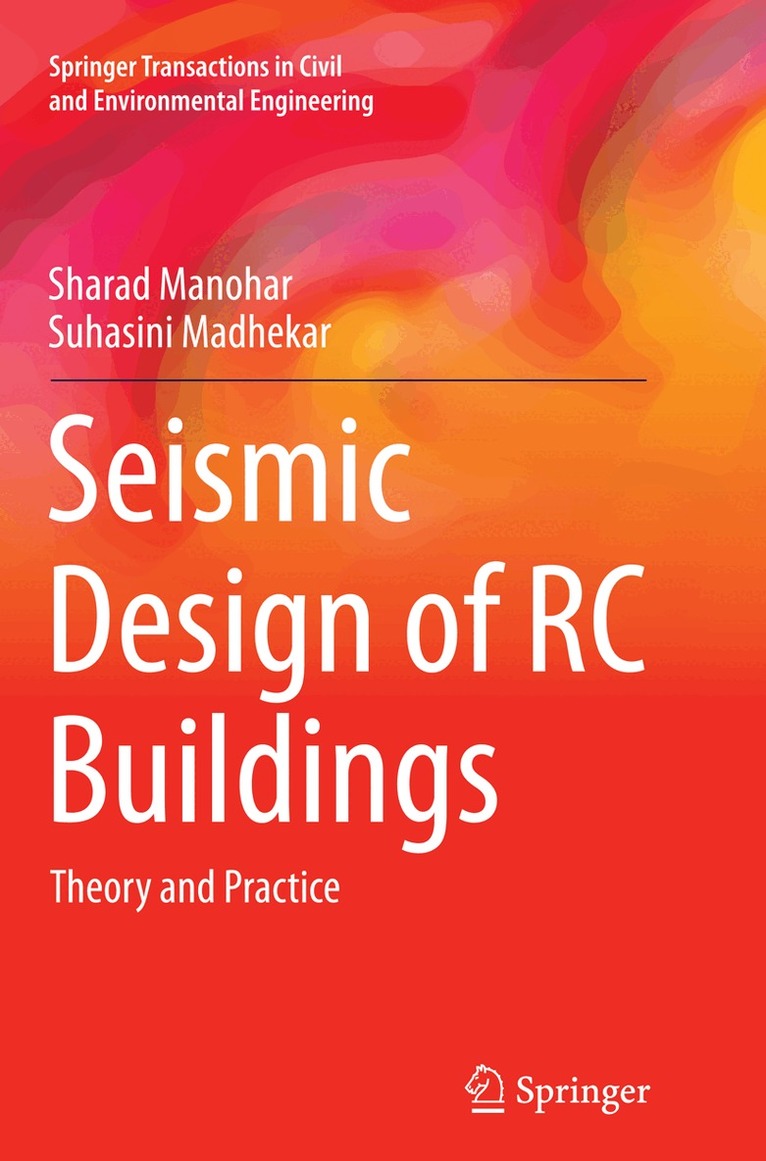
This book is intended to serve as a textbook for engineering courses on earthquake resistant design. The book covers important attributes for seismic design such as material properties, damping, ductility, stiffness and strength. The subject coverage commences with simple concepts and proceeds right up to nonlinear analysis and push-over method for checking building adequacy. The book also provides an insight into the design of base isolators highlighting their merits and demerits.Apart from the theoretical approach to design of multi-storey buildings, the book highlights the care required in practical design and construction of various building components. It covers modal analysis in depth including the important missing mass method of analysis and tension shift in shear walls and beams. These have important bearing on reinforcement detailing. Detailed design and construction features are covered for earthquake resistant design of reinforced concrete as well as confined and reinforced masonry structures. The book also provides the methodology for assessment of seismic forces on basement walls and pile foundations. It provides a practical approach to design and detailing of soft storeys, short columns, vulnerable staircases and many other components. The book bridges the gap between design and construction. Plenty of worked illustrative examples are provided to aid learning. This book will be of value to upper undergraduate and graduate students taking courses on seismic design of structures.
801 kr
Skickas inom 10-15 vardagar
This book is intended to serve as a textbook for engineering courses on earthquake resistant design. The book covers important attributes for seismic design such as material properties, damping, ductility, stiffness and strength. The subject coverage commences with simple concepts and proceeds right up to nonlinear analysis and push-over method for checking building adequacy. The book also provides an insight into the design of base isolators highlighting their merits and demerits.Apart from the theoretical approach to design of multi-storey buildings, the book highlights the care required in practical design and construction of various building components. It covers modal analysis in depth including the important missing mass method of analysis and tension shift in shear walls and beams. These have important bearing on reinforcement detailing. Detailed design and construction features are covered for earthquake resistant design of reinforced concrete as well as confined and reinforced masonry structures. The book also provides the methodology for assessment of seismic forces on basement walls and pile foundations. It provides a practical approach to design and detailing of soft storeys, short columns, vulnerable staircases and many other components. The book bridges the gap between design and construction. Plenty of worked illustrative examples are provided to aid learning. This book will be of value to upper undergraduate and graduate students taking courses on seismic design of structures.