Sukanta Sarkar – författare
636 kr
Skickas inom 5-8 vardagar
623 kr
Skickas inom 5-8 vardagar
541 kr
Skickas inom 5-8 vardagar
606 kr
Skickas inom 5-8 vardagar
1 575 kr
Läs direkt efter köp
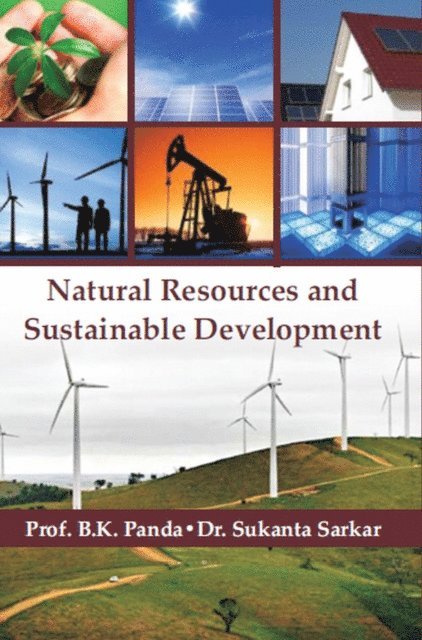
Natural resources are materials and components (something that can be used) that can be found within the environment. It occurs naturally within environments that exist relatively undisturbed by humanity, in a natural form. It can be thought of as natural capital assets, distinct from physical and human capital in that they are not created by human activity. Natural resource is often characterized by amounts of biodiversity and geodiversity existent in various ecosystems. They are useful materials from the Earth, such as coal, oil, natural gas, and trees. People use natural resources as raw materials to manufacture or create a range of modern conveniences. Water and food provide humans with sustenance and energy, for example, and fossil fuels generate heat as well as energy for transportation and industrial production. Natural resources are the raw materials supplied by nature. Everything produced, used and thrown away originates from natural resources. People cannot create natural resources. Sustainable development is a road-map, an action plan, for achieving sustainability in any activity that uses resources and where immediate and intergenerational replication is demanded. It is hoped that the present edition of this book will be beneficial to all concerned of the society, in general and students, lawyers, advocates, academicians, human rights institutions, researchers and NGOs working in natural science/economics field, in particular.
757 kr
Skickas inom 5-8 vardagar
617 kr
Skickas inom 5-8 vardagar
2 595 kr
Läs direkt efter köp
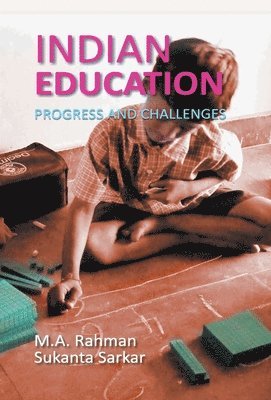
Education is a powerful driver of development and one of the strongest instruments for reducing poverty and improving health, gender equality, peace, and stability. Special education is the practice of educating students with special needs in a way that addresses their individual differences and needs. Primary Education is the initial stage of education and has as its basic aim to create, establish and offer opportunities to all children, regardless of age, gender or country of origin. Secondary education normally takes place in secondary schools, taking place after primary education and may be followed by higher education or vocational training. School is compulsory in many countries between the ages of five/six-fifteen/sixteen or seventeen, depending on the state. Secondary education is the gateway for prosperity, for transforming the economy and establishing social justice in any country. Asia is fast becoming a key player in global higher education. Asian nations’ growing demand for education and the increased investment they have made in their universities presents opportunities and challenges to the world. India possesses a highly developed higher education system, which offers the facility of education and training in almost all aspects of human creativity and intellectual endeavors like: arts and humanities; natural, mathematical and social sciences; engineering; medicine; dentistry; agriculture; education; law; commerce and management; music and performing arts; national and foreign languages; culture; communications etc. It is hoped that this book will be very useful society in general and students of education in particular.