
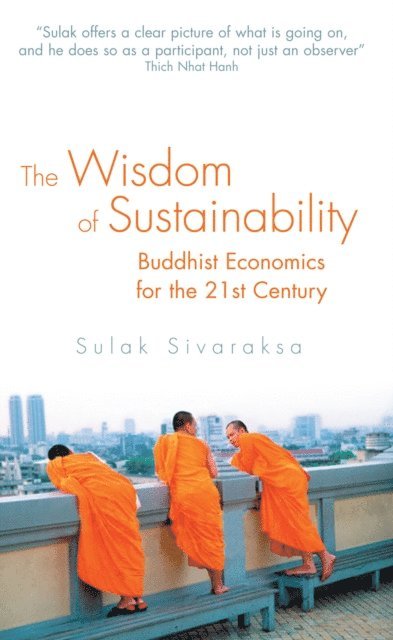
Emphasising human-scale, local, sustainable alternatives to globalised industry, Sulak Sivaraksa offers a way to restructure our economy on Buddhist principles and on a basis that will promote personal development.Based on decades of thought and writing Sivaraksa outlines how measuring economic success by GDP (Gross Domestic Product) could be replaced by GNH (Gross National Happiness). It examines globalisation from a Buddhist perspective, arguing that healing the planet starts by creating sustainability at the individual and global levels.
From Nobel Peace Prize nominee Sulak Sivaraksa comes this look at Buddhism's innate ability to help change life on the global scale. Conflict, Culture, Change explores the cultural and environmental impacts of consumerism, nonviolence, and compassion, giving special attention to the integration of mindfulness and social activism, the use of Buddhist ethics to confront structural violence, and globalization's threat to traditional identity.
Emphasising human-scale, local, sustainable alternatives to globalised industry, Sulak Sivaraksa offers a way to restructure our economy on Buddhist principles and on a basis that will promote personal development.Based on decades of thought and writing Sivaraksa outlines how measuring economic success by GDP (Gross Domestic Product) could be replaced by GNH (Gross National Happiness). It examines globalisation from a Buddhist perspective, arguing that healing the planet starts by creating sustainability at the individual and global levels.
From Nobel Peace Prize nominee Sulak Sivaraksa comes this look at Buddhism's innate ability to help change life on the global scale. Conflict, Culture, Change explores the cultural and environmental impacts of consumerism, nonviolence, and compassion, giving special attention to the integration of mindfulness and social activism, the use of Buddhist ethics to confront structural violence, and globalization's threat to traditional identity.