Sulmaan Wasif Khan - Böcker
Visar alla böcker från författaren Sulmaan Wasif Khan. Handla med fri frakt och snabb leverans.
6 produkter
6 produkter
266 kr
Skickas
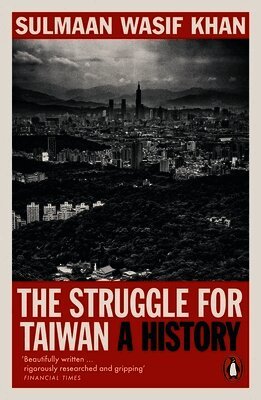
'A rigorously researched and gripping account... a beautifully written book' Financial Times'Deeply researched and fascinating' GuardianA gripping account of the past and future of Taiwan In the overwhelming chaos across Asia at the end of the Second World War, one relatively minor issue was the future of the Japanese colony of Taiwan, a large island some one hundred miles off the coast of Fujian. Handed to the Kuomintang-ruled Republic of China, in 1949 it suddenly became the focus of global attention as a random cross-section of defeated Nationalists, including President Chiang Kai-shek, fled there from Mao's triumphant Communist forces.The Struggle for Taiwan is a balanced and convincing account of the sequence of events that has left Taiwan for generations as a political anomaly, with issues around its status and future continuing to threaten war. With deepening democratization, Taiwan further goads Beijing, remaining functionally independent from China even as Xi Jinping clamours for unification.This invaluable book allows readers to understand the complex story of this unique place and its role in international relations. With its striking economic dynamism and commitment to democracy, can Taiwan continue - as Hong Kong once did - to thrive, or will China conquer it? And will the world be able to maintain peace across the Taiwan Strait or will it stumble into war?
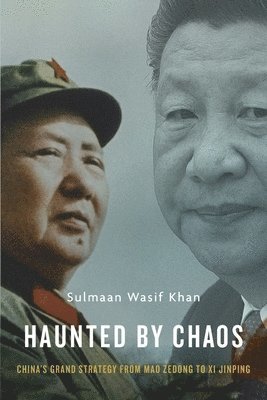
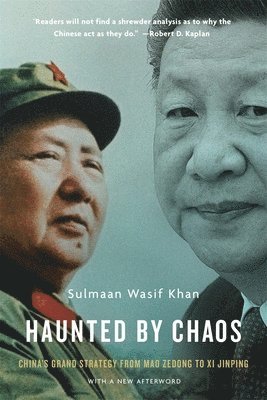
Haunted by Chaos
China’s Grand Strategy from Mao Zedong to Xi Jinping, With a New Afterword
Häftad, Engelska, 2022
242 kr
Skickas inom 7-10 vardagar
An American Interest Book of the Year“Readers will not find a shrewder analysis as to why the Chinese act as they do.”—Robert D. Kaplan“An outstanding contribution to our understanding of that most urgent of contemporary geopolitical questions: what does China want?”—Rana MitterBefore the Chinese Communist Party came to power, China lay broken and fragmented. Today it dominates the global stage, and yet its leaders have continued to be haunted by the past. Analyzing the calculus behind decision making at the highest levels, Sulmaan Wasif Khan explores how China’s leaders have harnessed diplomatic, military, and economic power to keep a fragile country safe in a hostile world. At once shrewd and dangerous, Mao Zedong made China whole and succeeded in keeping it so while the caustic Deng Xiaoping dragged China into the modern world. Jiang Zemin and Hu Jintao were cautious custodians of Deng’s legacy, but Xi Jinping has shown a mounting assertiveness that has raised concern across the globe.China’s grand strategies, while costly, have been largely successful. But will this time-tested approach be enough to tackle the looming threats of our age?“Written with verve and insight, this will become the go-to book for anyone interested in the foundations of China’s grand strategy under Communist rule.”—Odd Arne Westad, author of The Cold War“Khan’s brilliant analysis will help policymakers understand the critical rise of China…Crucial if we are to avoid conflict with this emerging superpower.”—Admiral James Stavridis, former Supreme Allied Commander of NATO“Khan argues that since before the People’s Republic of China’s founding, Chinese rulers have held remarkably consistent objectives, even as their definition of security has expanded.”—Mira Rapp-Hooper, War on the Rocks
299 kr
Tillfälligt slut
An American Interest Top Book of the Year“Khan has unraveled the mystery of Chinese grand strategy, showing why insecurity lies at the root of Chinese power projection… Readers will not find a shrewder analysis as to why the Chinese act as they do.”—Robert D. Kaplan, author of The Revenge of GeographyBefore the Chinese Communist Party came to power, China lay broken and fragmented. Today it is a force on the global stage, and yet its leaders have continued to be haunted by the past. Drawing on an array of sources, Sulmaan Wasif Khan chronicles the grand strategies that have sought not only to protect China from aggression but also to ensure it would never again experience the powerlessness of the late Qing and Republican eras.The dramatic variations in China’s modern history have obscured the commonality of purpose that binds the country’s leaders. Analyzing the calculus behind their decision making, Khan explores how they wove diplomatic, military, and economic power together to keep a fragile country safe in a world they saw as hostile. Dangerous and shrewd, Mao Zedong made China whole and succeeded in keeping it so, while the caustic, impatient Deng Xiaoping dragged China into the modern world. Jiang Zemin and Hu Jintao served as cautious custodians of the Deng legacy, but the powerful and deeply insecure Xi Jinping has shown an assertiveness that has raised both fear and hope across the globe.For all their considerable costs, China’s grand strategies have been largely successful. But the country faces great challenges today. Its population is aging, its government is undermined by corruption, its neighbors are arming out of concern over its growing power, and environmental degradation threatens catastrophe. A question Haunted by Chaos raises is whether China’s time-tested approach can respond to the looming threats of the twenty-first century.
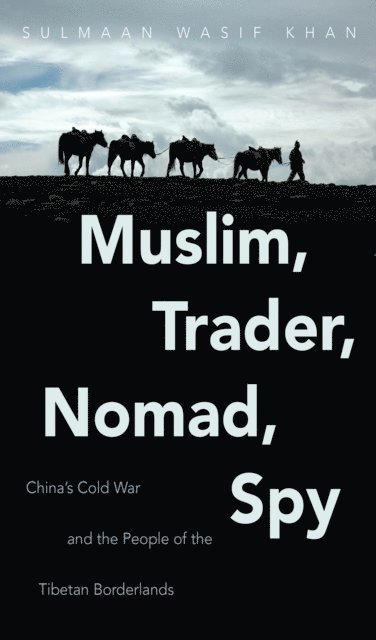
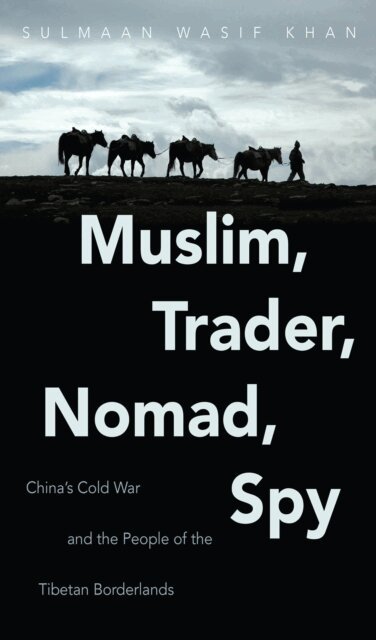
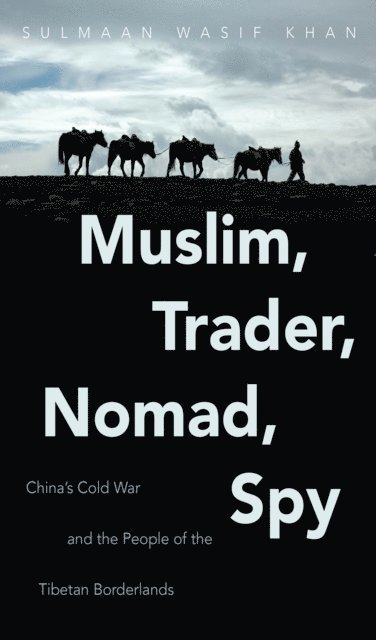
Muslim, Trader, Nomad, Spy
China's Cold War and the People of the Tibetan Borderlands
Häftad, Engelska, 2016
377 kr
Skickas inom 10-15 vardagar
In 1959, the Dalai Lama fled Lhasa, leaving the People's Republic of China with a crisis on its Tibetan frontier. Sulmaan Wasif Khan tells the story of the PRC's response to that crisis and, in doing so, brings to life an extraordinary cast of characters: Chinese diplomats appalled by sky burials, Guomindang spies working with Tibetans in Nepal, traders carrying salt across the Himalayas, and Tibetan Muslims rioting in Lhasa. What Chinese policymakers confronted in Tibet, Khan argues, was not a ""third world"" but a ""fourth world"" problem: Beijing was dealing with peoples whose ways were defined by statelessness. As it sought to tighten control over the restive borderlands, Mao's China moved from a lighter hand to a harder, heavier imperial structure. That change triggered long-lasting shifts in Chinese foreign policy. Moving from capital cities to far-flung mountain villages, from top diplomats to nomads crossing disputed boundaries in search of pasture, this book shows Cold War China as it has never been seen before and reveals the deep influence of the Tibetan crisis on the political fabric of present-day China.
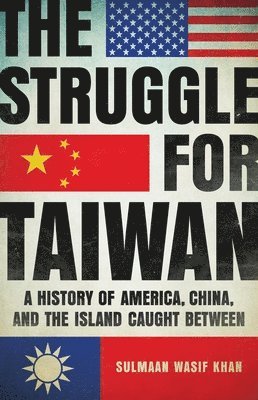
The Struggle for Taiwan: A History of America, China, and the Island Caught Between
Inbunden, Engelska, 2024
362 kr
Skickas inom 3-6 vardagar
152 kr
Skickas
'A rigorously researched and gripping account... a beautifully written book' Financial Times'Deeply researched and fascinating' GuardianA gripping account of the past and future of Taiwan In the overwhelming chaos across Asia at the end of the Second World War, one relatively minor issue was the future of the Japanese colony of Taiwan, a large island some one hundred miles off the coast of Fujian. Handed to the Kuomintang-ruled Republic of China, in 1949 it suddenly became the focus of global attention as a random cross-section of defeated Nationalists, including President Chiang Kai-shek, fled there from Mao's triumphant Communist forces.The Struggle for Taiwan is a balanced and convincing account of the sequence of events that has left Taiwan for generations as a political anomaly, with issues around its status and future continuing to threaten war. With deepening democratization, Taiwan further goads Beijing, remaining functionally independent from China even as Xi Jinping clamours for unification.This invaluable book allows readers to understand the complex story of this unique place and its role in international relations. With its striking economic dynamism and commitment to democracy, can Taiwan continue - as Hong Kong once did - to thrive, or will China conquer it? And will the world be able to maintain peace across the Taiwan Strait or will it stumble into war?