
Sultan-i-Rome – författare
Visar alla böcker från författaren Sultan-i-Rome. Handla med fri frakt och snabb leverans.
2 produkter
2 produkter
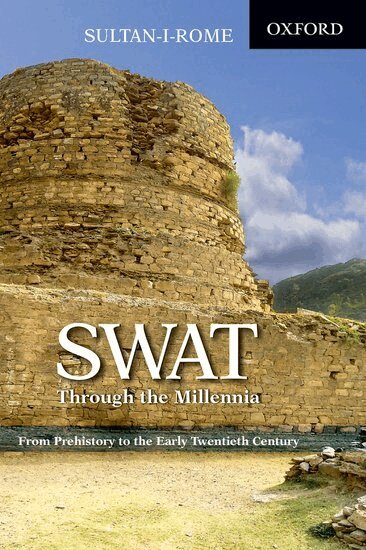
Häftad, Engelska, 2022
291 kr
Skickas inom 3-6 vardagar
Beginning with details of its nomenclature and geography, the book continues with covering and thoroughly examining and discussing the prehistory and protohistoric periods of Swat, different aspects of Alexander of Macedonia's invasion, the period from the Mauryas to the Hindu Shahis, religious perspective of Swat, Muslims' occupation and pre-Yusufzi's period, the Yusufzi's occupation, their social system and mode of ruling, the Mughals and Swat, Khushal Khan Khattak and Swat, the period from 1707 till 1915 CE, and the Kuhistan. There is very little about Swat, from the said perspectives, that cannot be learned from reading this book. The book is comprehensive, and systematic. Written in an analytical but simple style, and presented methodologically, it is rich in factual information. It is heavily based on primary source material; but the respected secondary sources are also utilized. A sister volume of the title Swat State (1915–1969), the present volume details the above topics and themes in the regional, international, geopolitical and strategic contexts of the periods concerned. It enables the reader to gain the kind of knowledge that might have required the reading of a number of separate books. Each topic and theme discussed has been fully researched and presented with a knowledgeable and learned commentary. The scholarship is exceptional, and the author is regarded as one of the top scholars of the country in the discipline of history.
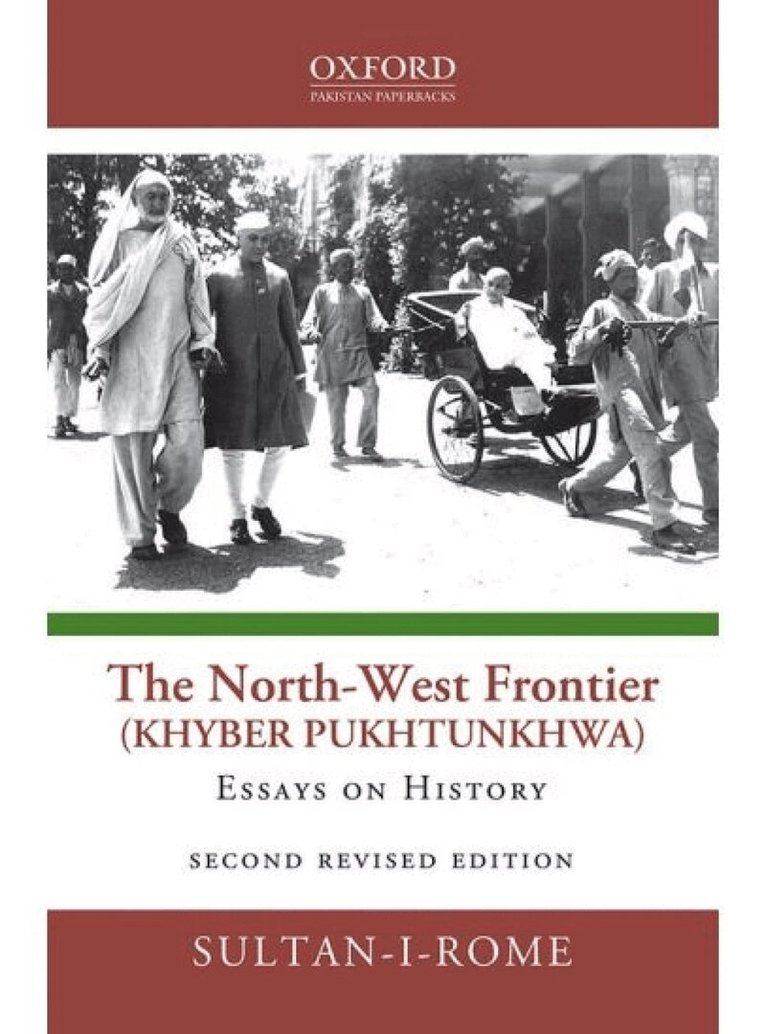
Häftad, Engelska, 2022
275 kr
Skickas inom 11-20 vardagar
The book covers a variety of topics about the Frontier (Khyber Pukhtunkhwa) and its people. It outlines the geography of the province and describes the three major theories about the origin of the Pukhtuns and recounts the Pukhtun code of life—Pukhtu. The author discusses the area's occupation by the Britons in 1849 and examines the Durand Line Agreement (1893), along with its pros and cons. From the uprising against the British in the tribal belt in 1897, the book moves to the formation of the province in 1901 and covers the related constitutional developments. The book discusses the role of the Khudayi Khidmatgar Movement, the Muslim League in the province, and the 1947 referendum. It also analyses the administrative apparatus that prevailed in the erstwhile tribal areas and describes the political careers and educational services of Sahibzadah Abdul Qayyum and Abdul Ghaffar Khan. These various themes and issues—placed in their geo-political, strategic, and historical contexts—present a comprehensive overview in this well-researched book by one of the top scholars of the country in the discipline of history.