Supriyo Chakraborty – författare
Visar alla böcker från författaren Supriyo Chakraborty. Handla med fri frakt och snabb leverans.
6 produkter
6 produkter
Inbunden, Engelska, 2023
1 633 kr
Skickas inom 10-15 vardagar
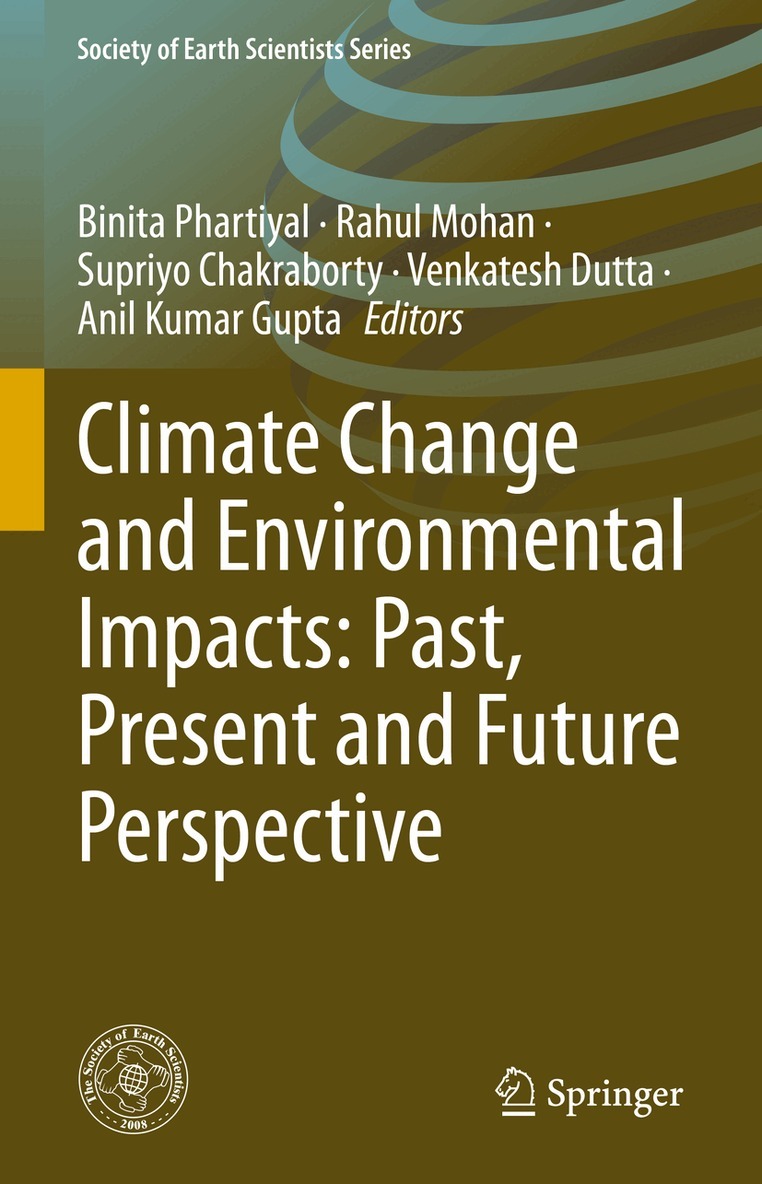
Earth’s climate varies even without human influence but the acceleration in the changing pattern with cause and effect by/to the civilisation is a matter of concern to scientists. These patterns are lessons to understand future trends and ways and means for mitigation. The extreme weather events in almost every region of the globe involving excessive loss of human life and property are causing anxiety in society and posing challenges before scientists and planners. Cyclical variations in the Earth’s climate occur at multiple time scales, from years to decades, centuries, and millennia. Cycles at each scale are caused by a variety of physical mechanisms. In the last 65 Ma only, there have been several cycles of glacial advances and retreat, with the abrupt end of the last ice age about 11,700 years ago marking the beginning of the modern climate era and human civilization. A multidisciplinary approach in studying the Earth’s changing climate will provide a holistic view and guide us infuture planning and programming.
1 977 kr
Läs direkt efter köp
Earth’s climate varies even without human influence but the acceleration in the changing pattern with cause and effect by/to the civilisation is a matter of concern to scientists. These patterns are lessons to understand future trends and ways and means for mitigation. The extreme weather events in almost every region of the globe involving excessive loss of human life and property are causing anxiety in society and posing challenges before scientists and planners. Cyclical variations in the Earth’s climate occur at multiple time scales, from years to decades, centuries, and millennia. Cycles at each scale are caused by a variety of physical mechanisms. In the last 65 Ma only, there have been several cycles of glacial advances and retreat, with the abrupt end of the last ice age about 11,700 years ago marking the beginning of the modern climate era and human civilization. A multidisciplinary approach in studying the Earth’s changing climate will provide a holistic view and guide us infuture planning and programming.
Häftad, Engelska, 2024
1 633 kr
Skickas inom 10-15 vardagar
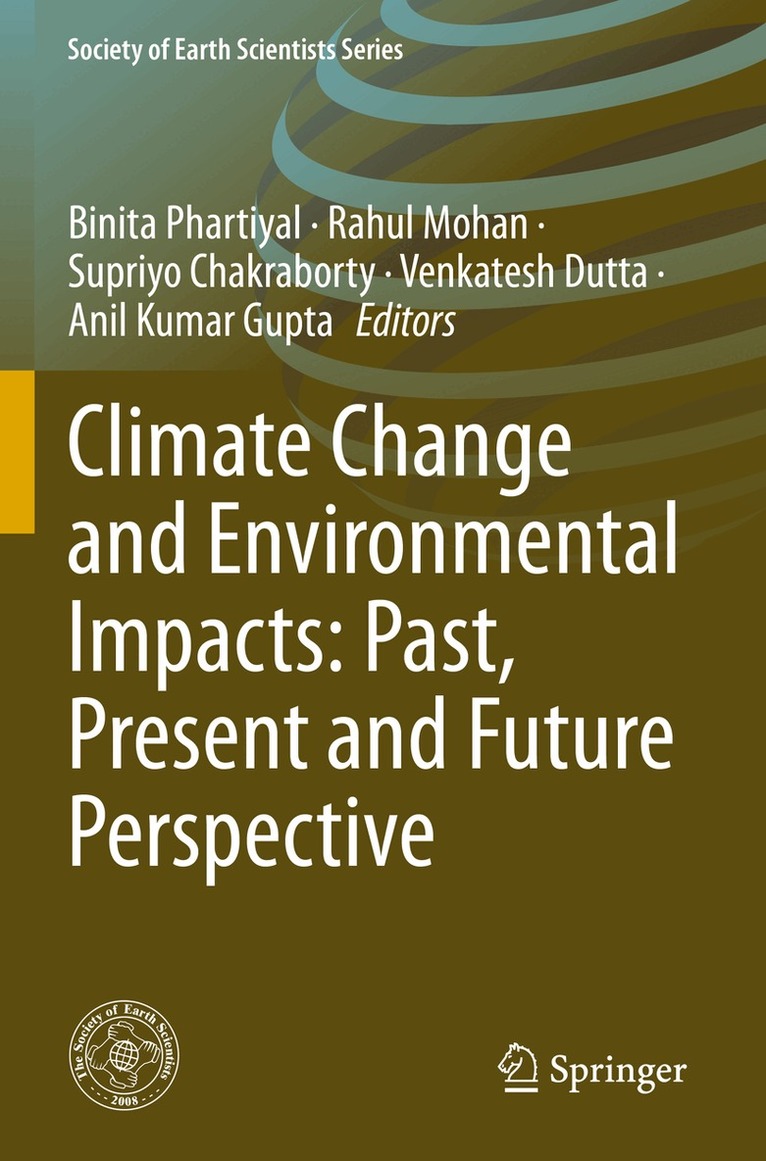
Earth’s climate varies even without human influence but the acceleration in the changing pattern with cause and effect by/to the civilisation is a matter of concern to scientists. These patterns are lessons to understand future trends and ways and means for mitigation. The extreme weather events in almost every region of the globe involving excessive loss of human life and property are causing anxiety in society and posing challenges before scientists and planners. Cyclical variations in the Earth’s climate occur at multiple time scales, from years to decades, centuries, and millennia. Cycles at each scale are caused by a variety of physical mechanisms. In the last 65 Ma only, there have been several cycles of glacial advances and retreat, with the abrupt end of the last ice age about 11,700 years ago marking the beginning of the modern climate era and human civilization. A multidisciplinary approach in studying the Earth’s changing climate will provide a holistic view and guide us infuture planning and programming.
E-bok
Engelska, 2001444 kr
Läs direkt efter köp
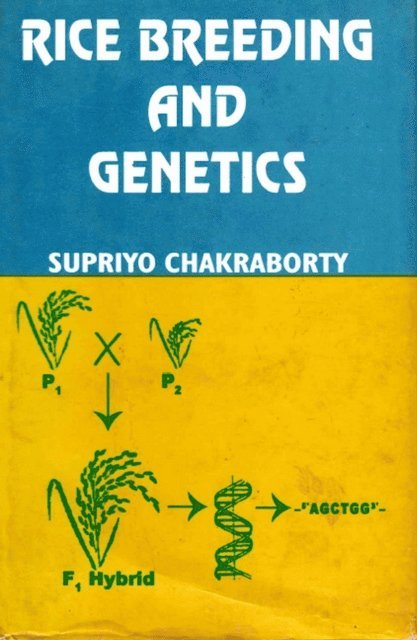
Plant breeding is the genetic improvement of crop plants in relation to their economic use for mankind. Plant breeding is offered as a subject at the undergraduate and the postgraduate levels in all the Indian Agricultural Universities. It is also offered at graduate level in biology and postgraduate level in botany in conventional universities. Rice is one of the major crops covered under the subject Plant Breeding at all the universities. Rice breeding aims at evolving high yielding and quality rice varieties for feeding the evergrowing human population. This book covers the latest developments in rice breeding and genetics in addition to several fundamental topics of general interest. The language used in the book is simple and easily understandable. The presentation is pointwise and step by step with recent Indian examples, wherever applicable. The references are given at the end of each chapter. This book will acquaint the students and research workers with the latest developments in rice breeding and genetics precisely covering the syllabus. This book bridges the gap of not having a textbook with the latest information on rice breeding and genetics. Candidates appearing for the competitive examinations such as ARS, NET and SRF examination of ICAR may use this book as a reference.
Inbunden, Engelska, 2020
549 kr
Skickas inom 10-15 vardagar
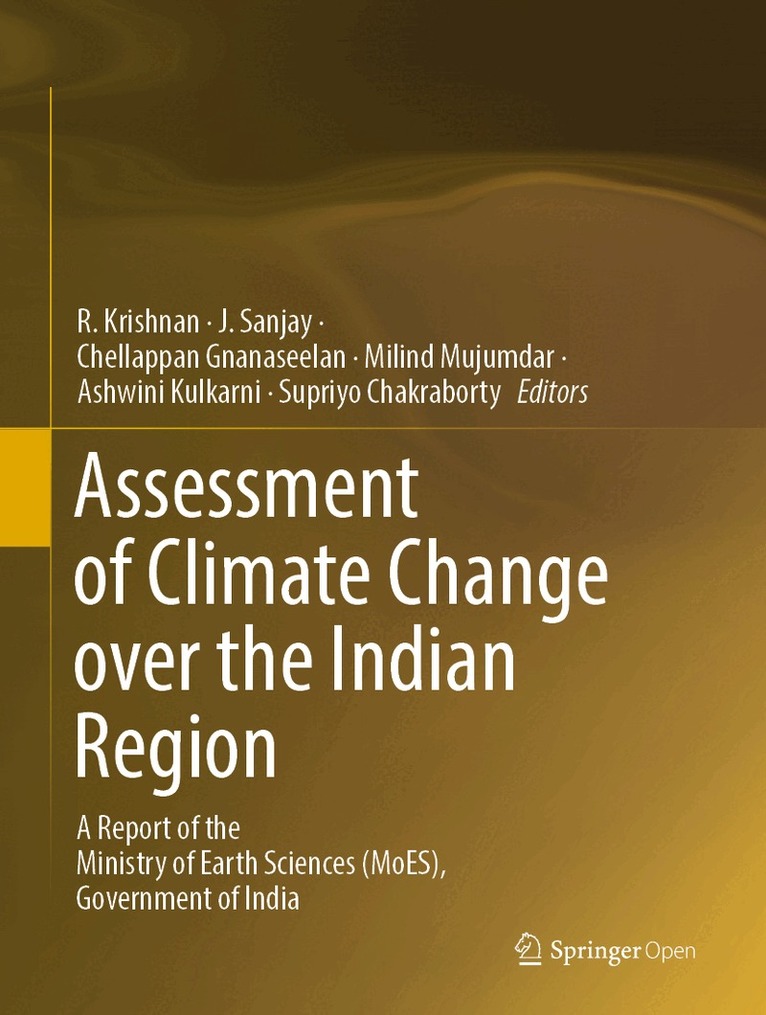
This open access book discusses the impact of human-induced global climate change on the regional climate and monsoons of the Indian subcontinent, adjoining Indian Ocean and the Himalayas. It documents the regional climate change projections based on the climate models used in the IPCC Fifth Assessment Report (AR5) and climate change modeling studies using the IITM Earth System Model (ESM) and CORDEX South Asia datasets. The IPCC assessment reports, published every 6–7 years, constitute important reference materials for major policy decisions on climate change, adaptation, and mitigation. While the IPCC assessment reports largely provide a global perspective on climate change, the focus on regional climate change aspects is considerably limited. The effects of climate change over the Indian subcontinent involve complex physical processes on different space and time scales, especially given that the mean climate of this region is generally shaped by the Indian monsoon and the unique high-elevation geographical features such as the Himalayas, the Western Ghats, the Tibetan Plateau and the adjoining Indian Ocean, Arabian Sea, and Bay of Bengal. This book also presents policy relevant information based on robust scientific analysis and assessments of the observed and projected future climate change over the Indian region.
Häftad, Engelska, 2020
441 kr
Skickas inom 10-15 vardagar
This open access book discusses the impact of human-induced global climate change on the regional climate and monsoons of the Indian subcontinent, adjoining Indian Ocean and the Himalayas. It documents the regional climate change projections based on the climate models used in the IPCC Fifth Assessment Report (AR5) and climate change modeling studies using the IITM Earth System Model (ESM) and CORDEX South Asia datasets. The IPCC assessment reports, published every 6–7 years, constitute important reference materials for major policy decisions on climate change, adaptation, and mitigation. While the IPCC assessment reports largely provide a global perspective on climate change, the focus on regional climate change aspects is considerably limited. The effects of climate change over the Indian subcontinent involve complex physical processes on different space and time scales, especially given that the mean climate of this region is generally shaped by the Indian monsoon and the unique high-elevation geographical features such as the Himalayas, the Western Ghats, the Tibetan Plateau and the adjoining Indian Ocean, Arabian Sea, and Bay of Bengal. This book also presents policy relevant information based on robust scientific analysis and assessments of the observed and projected future climate change over the Indian region.