Suresh G. Borkar - Böcker
Visar alla böcker från författaren Suresh G. Borkar. Handla med fri frakt och snabb leverans.
8 produkter
8 produkter
700 kr
Skickas inom 10-15 vardagar
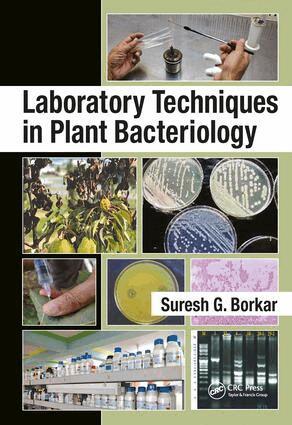
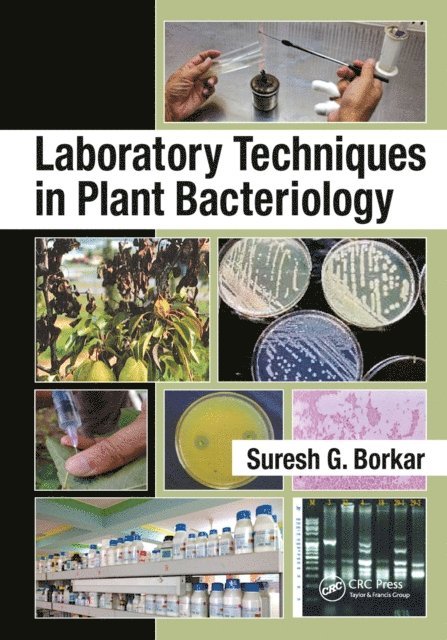
Laboratory Techniques in Plant Bacteriology is ideal for scientists and students who seek a career in plant pathogenic bacteria. This book contains 41 chapters comprising practicable techniques from isolation of bacterial plant pathogens to their identification up to species and race/biotype level. It includes identification protocols of morphological, biochemical, immunological, and molecular-based techniques. This book comprises all technological aspects of plant bacteriological studies. Its content is ideal for graduate students and research scholars including bacteriological professionals or technicians. The book ultimately provides working technologies useful for controlling bacterial disease pathogens.
700 kr
Skickas inom 10-15 vardagar
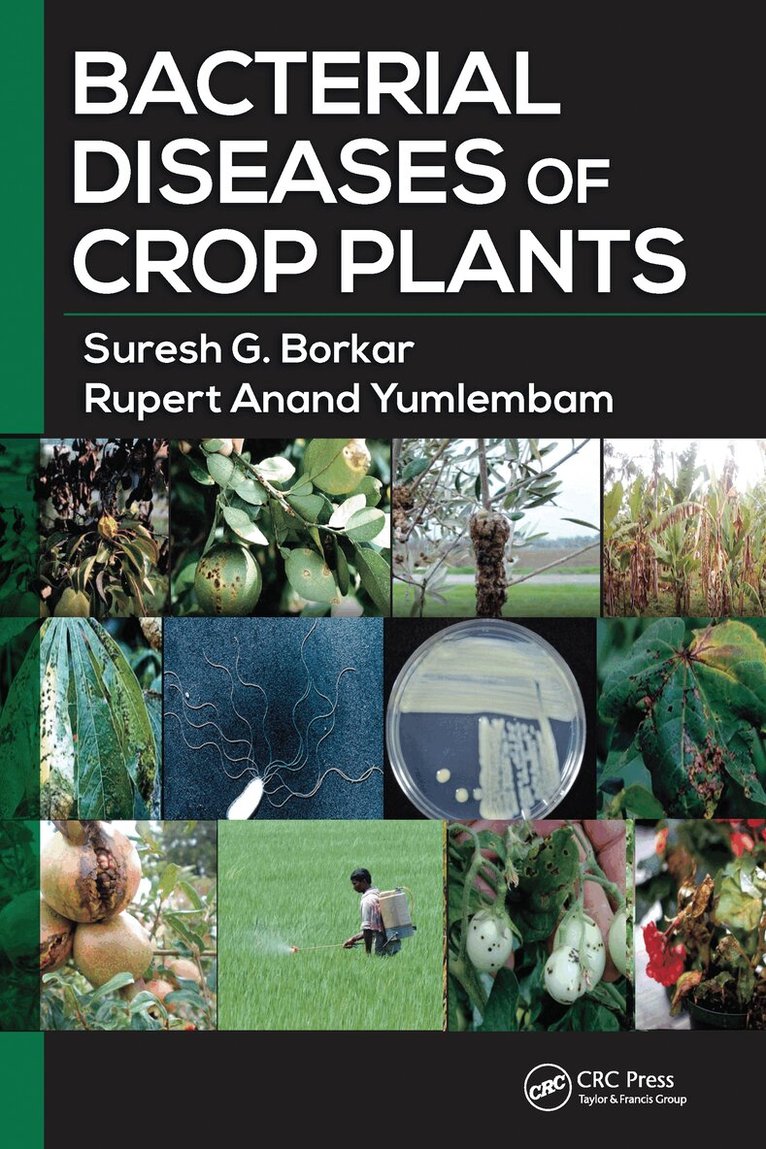
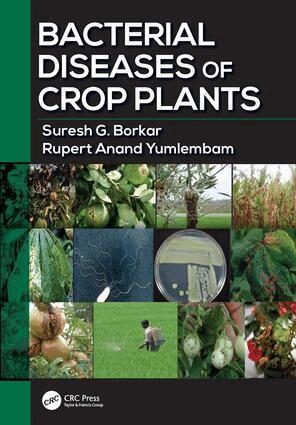
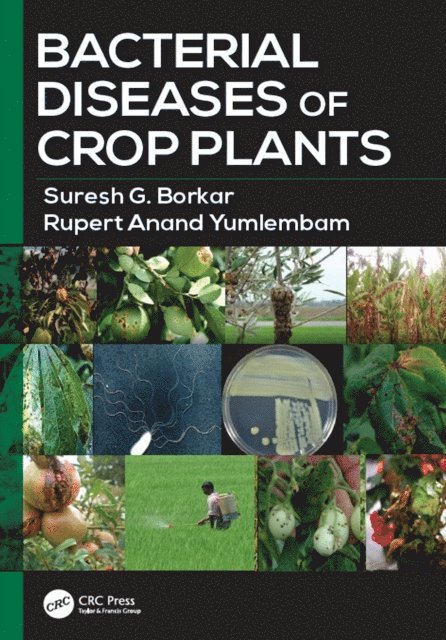
Food and agriculture is an important component in the development and survival of civilizations. Around half of the world’s population and their economies are influenced by agricultural farm production. Plant diseases take as much as a 30 percent toll of the crop harvest if not managed properly and efficiently. Bacterial diseases of crop plants are important in plant disease scenarios worldwide and are observed on all kinds of cultivated and commercial value plants including cereals, pulses, oilseeds, fruits, vegetables, cash crops, plantation crops, spices, ornamentals and flowering plant, forage crop, forest trees, and lawn grasses.Bacterial diseases are widespread and are difficult to identify and to control. Few pesticides are available for use in control, and many plant pathologists are not well trained in the management of bacterial diseases. Bacterial Diseases of Crop Plants offers concise information on bacterial diseases of crops, proving a valuable asset to students, scientists in industry and academia, farmers, extension workers, and those who deal with crops that are vulnerable to bacterial diseases.The book contains 13 chapters featuring bacterial diseases of individual crops and is illustrated with full color photographs throughout providing amazing characterization of the diseases. It also includes information on bacterial diseases that appear on different crops across the continents, thereby making the content of interest to plant pathologists around the world. Bacterial diseases are of great economic concern, and their importance in overall losses caused by various other pathogens, such as fungi and viruses, is often undermined in developing countries.

2 588 kr
Skickas inom 10-15 vardagar
Laboratory Techniques in Plant Bacteriology is ideal for scientists and students who seek a career in plant pathogenic bacteria. This book contains 41 chapters comprising practicable techniques from isolation of bacterial plant pathogens to their identification up to species and race/biotype level. It includes identification protocols of morphological, biochemical, immunological, and molecular-based techniques.This book comprises all technological aspects of plant bacteriological studies. Its content is ideal for graduate students and research scholars including bacteriological professionals or technicians. The book ultimately provides working technologies useful for controlling bacterial disease pathogens.
2 711 kr
Skickas inom 7-10 vardagar
Food and agriculture is an important component in the development and survival of civilizations. Around half of the world’s population and their economies are influenced by agricultural farm production. Plant diseases take as much as a 30 percent toll of the crop harvest if not managed properly and efficiently. Bacterial diseases of crop plants are important in plant disease scenarios worldwide and are observed on all kinds of cultivated and commercial value plants including cereals, pulses, oilseeds, fruits, vegetables, cash crops, plantation crops, spices, ornamentals and flowering plant, forage crop, forest trees, and lawn grasses.Bacterial diseases are widespread and are difficult to identify and to control. Few pesticides are available for use in control, and many plant pathologists are not well trained in the management of bacterial diseases. Bacterial Diseases of Crop Plants offers concise information on bacterial diseases of crops, proving a valuable asset to students, scientists in industry and academia, farmers, extension workers, and those who deal with crops that are vulnerable to bacterial diseases.The book contains 13 chapters featuring bacterial diseases of individual crops and is illustrated with full color photographs throughout providing amazing characterization of the diseases. It also includes information on bacterial diseases that appear on different crops across the continents, thereby making the content of interest to plant pathologists around the world. Bacterial diseases are of great economic concern, and their importance in overall losses caused by various other pathogens, such as fungi and viruses, is often undermined in developing countries.
3 105 kr
Skickas inom 7-10 vardagar
The book The Plant Mildews is composed of 24 chapters. 11 of these chapters focus on downy mildew diseases that affect various crop plants, with a total of 55 downy mildew diseases discussed. The remaining 13 chapters address powdery mildew diseases of different crops, covering a total of 92 powdery mildew diseases.The book provides comprehensive information on 147 mildew diseases that affect crops around the world. For each mildew disease, the book includes details such as the pathogen responsible, the host range, geographical distribution, disease symptoms, the impact of the disease on epidemics and losses, the disease cycle, weather parameters, disease forecasting, and management strategies.This book is unique in that it covers both downy mildew and powdery mildew diseases of crop plants, making it a valuable resource for researchers, students, extension workers, and farming communities.
3 061 kr
Skickas inom 7-10 vardagar
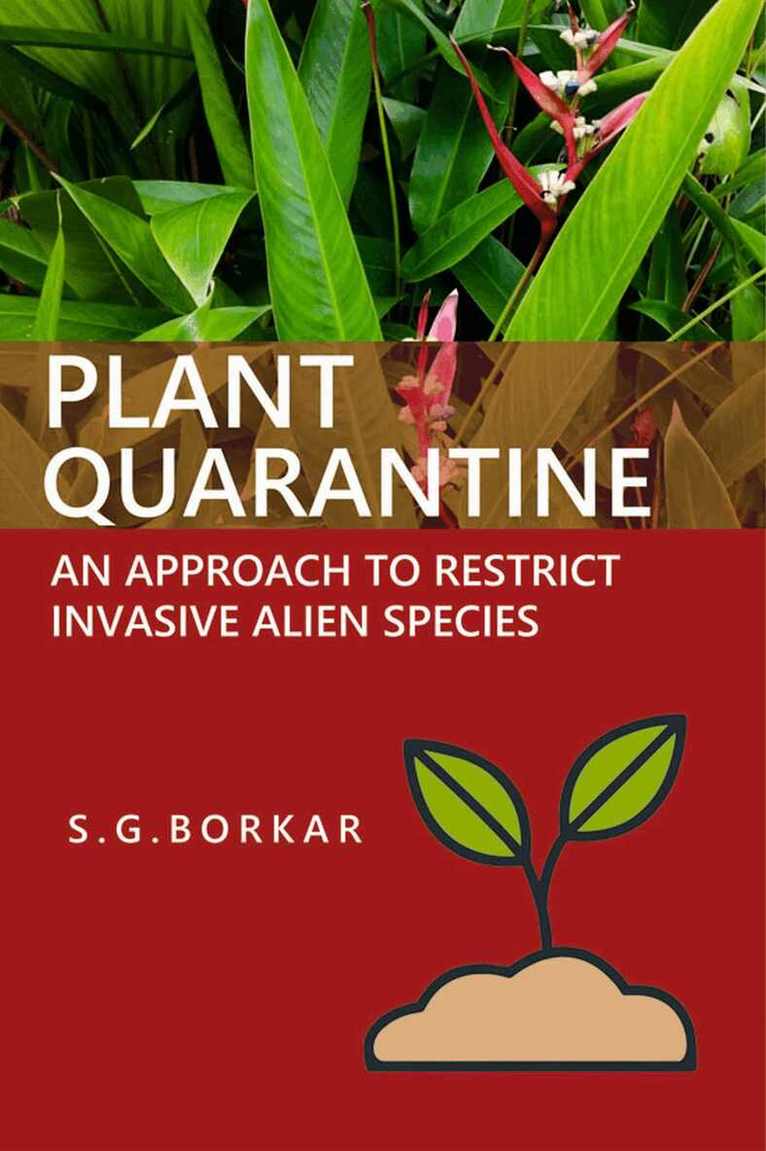
Quarantine has become a widely recognized and utilized term among humans worldwide during the period of 2019-2020. Its impact on human lives, national economies, migration patterns, and restrictions on human movement, as well as political unrest in various nations, has been significant as a result of the emergence of Covid-19, a virus originating from humans. Similarly, the topic of plant quarantine is an essential subject in plant and food security worldwide. Recent invasions of locusts in the Sub-Saharan region and the Indian continent have had a profound impact on agriculture due to this invasive alien species. Various examples of diseases and pest threats have been encountered in the agricultural crop production, biodiversity, and ecological environment of the region.Plant quarantine regulations in different regions of the world help to mitigate damage caused by invasive alien species. The sudden emergence of plant pathogens, including viruses, may take governments and other establishments by surprise. Therefore, understanding the subject of plant quarantine in relation to invasive alien species is of paramount importance. However, this knowledge is currently lacking, and the available literature is scattered, with no up-to-date book on this subject. Plant Quarantine: An Approach to Restrict Invasive Alien Species is a comprehensive compilation of all necessary aspects related to this topic.The book is composed of 16 chapters and serves as a valuable resource for plant quarantine personnel working in the field, agriculture university students, plant health workers, farmers engaged in agriculture, plant and seed traders, and anyone involved in the use of agricultural products and produce.
3 105 kr
Skickas inom 7-10 vardagar
Fungi, as microorganisms, are ubiquitous and can be found in various environments, including mountains, soil crust, water bodies such as rivers, lakes, ponds, and oceans, on plant surfaces, food grains, fruits, and vegetables, decomposing materials, fabrics and leather in damp weather, air cooling systems, environmental air both indoors and outdoors, and on the bodies of animals and humans.Some fungal growths are visible to the naked eye, while others can only be seen under a microscope. Fungal microbes can act as pathogens, causing harm by causing diseases in crop plants, food products, fruits, and vegetables, in humans, animals, birds, and marine life. However, certain fungal species are beneficial to mankind, agriculture, and the environment. These fungi provide food products, antibiotics, enzymes, organic acids, plant nutrients, composting agents, and serve as biological control agents, among other beneficial roles.Despite their significance, many people are not aware of the various functions of fungal microbes. This knowledge has not yet been passed down to future generations. It is crucial for everyone to understand the role of fungal microbes in our lives, as they play an important role at some point in time.
2 973 kr
Skickas inom 7-10 vardagar
The book A Handbook on Plant Health Medicines stands out among other plant protection books due to its highly illustrative content. Its primary objective is to disseminate scientific and practical knowledge about plant protection and health medicines to agricultural personnel and farmers. The book is divided into three sections with a total of 30 chapters, each focusing on a specific aspect of plant health management. These sections cover chemical molecules for disease control, chemical molecules for physiological disorders, and pesticides for insect management. The book also includes images of representative diseases, pests, and mineral deficiency symptoms to aid in identification and treatment. By making this book accessible to pesticide shop dealers and farmers, the authors aim to improve plant health management in the agricultural ecosystem.