Susan A. Brewer - Böcker
Visar alla böcker från författaren Susan A. Brewer. Handla med fri frakt och snabb leverans.
5 produkter
5 produkter
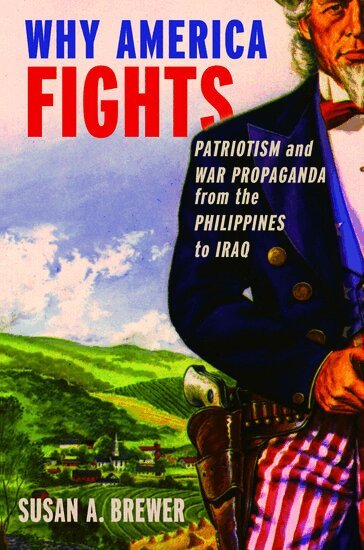
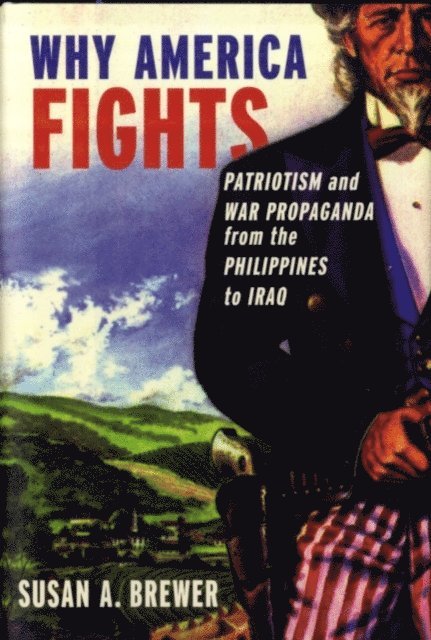
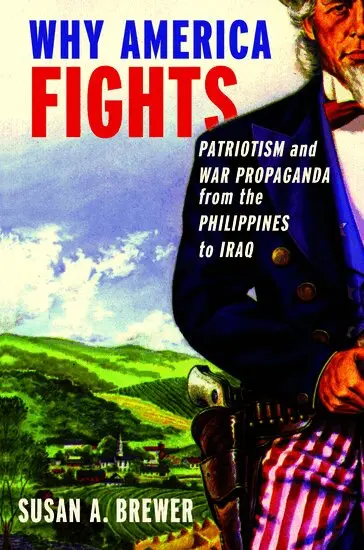
Why America Fights
Patriotism and War Propaganda from the Philippines to Iraq
Inbunden, Engelska, 2009
374 kr
Skickas inom 5-8 vardagar
On the evening of September 11, 2002, with the Statue of Liberty shimmering in the background, television cameras captured President George W. Bush as he advocated war against Iraq. This carefully stage-managed performance, writes Susan A. Brewer, was the culmination of a long tradition of sophisticated wartime propaganda in America. In Why America Fights, Brewer offers a fascinating history of how successive presidents have conducted what Donald Rumsfeld calls "perception management," from McKinley's war in the Philippines to Operation Iraqi Freedom. Brewer's intriguing account ranges from analyses of wartime messages to descriptions of the actual operations, from the dissemination of patriotic ads and posters to the management of newspaper, radio, and TV media. When Woodrow Wilson took the nation into World War I, he created the Committee on Public Information, led by George Creel, who called his job "the world's greatest adventure in advertising." In World War II, Roosevelt's Office of War Information avowed a "strategy of truth," though government propaganda still depicted Japanese soldiers as buck-toothed savages. In the Korean War, the Truman administration delineated differences between "good" and "evil" Asians, while portraying the conflict as a global battle between the Free World and Communism. After examining the ultimately failed struggle to cast the Vietnam War in a favorable light, Brewer shows how the Bush White House drew explicit lessons from that history as it engaged in an unprecedented effort to sell a preemptive war in Iraq. Yet the thrust of its message was not much different from McKinley's pronouncements about America's civilizing mission. Impressively researched and argued, filled with surprising details, Why America Fights shows how presidents consistently have drummed up support for foreign wars by appealing to what Americans want to believe about themselves.
334 kr
Skickas inom 5-8 vardagar
On the evening of September 11, 2002, with the Statue of Liberty shimmering in the background, television cameras captured President George W. Bush as he advocated the charge for war against Iraq. This carefully staged performance, writes Susan Brewer, was the culmination of a long tradition of sophisticated wartime propaganda in America. In Why America Fights, Brewer offers a fascinating history of how successive presidents have conducted what Donald Rumsfeld calls "perception management," from McKinley's war in the Philippines to Operation Iraqi Freedom. Her intriguing account ranges from analyses of wartime messages to descriptions of the actual operations, from the dissemination of patriotic ads and posters to the management of newspaper, radio, and TV media. When Woodrow Wilson carried the nation into World War I, he created the Committee on Public Information, led by George Creel, who called his job "the world's greatest adventure in advertising." In World War II, Roosevelt's Office of War Information avowed a "strategy of truth," though government propaganda still depicted Japanese soldiers as buck-toothed savages. After examining the ultimately failed struggle to cast the Vietnam War in a favorable light, Brewer shows how the Bush White House drew explicit lessons from that history as it engaged in an unprecedented effort to sell a preemptive war in Iraq. Yet the thrust of its message was not much different from McKinley's pronouncements about America's civilizing mission. Impressively researched and argued, filled with surprising details, Why America Fights shows how presidents have consistently drummed up support for foreign wars by appealing to what Americans want to believe about themselves.
386 kr
Skickas inom 7-10 vardagar
In Susan A. Brewer's fascinating The Best Land, she recounts the story of the parcel of central New York land on which she grew up. Brewer and her family had worked and lived on this land for generations when the Oneida Indians claimed that it rightfully belonged to them. Why, she wondered, did she not know what had happened to this place her grandfather called the best land. Here, she tells its story, tracing over the past four hundred years the two families—her own European settler family and the Oneida/Mohawk family of Polly Denny—who called the best land home.Situated on the passageway to the west, the ancestral land of the Oneidas was coveted by European colonizers and the founders of the Empire State. The Brewer and Denny families took part in imperial wars, the American Revolution, broken treaties, the building of the Erie Canal, Native removal, the rise and decline of family farms, bitter land claims controversies, and the revival of the Oneida Indian Nation. As Brewer makes clear in The Best Land, through centuries of violence, bravery, greed, generosity, racism, and love, the lives of the Brewer and Denny families were profoundly intertwined. The story of this homeland, she discovers, unsettles the history she thought she knew.With clear determination to tell history as it was, without sugarcoating or ignoring the pain and suffering of both families, Brewer navigates the interconnected stories with grace, humility, and a deep love for the land. The Best Land is a beautiful homage to the people, the place, and the environment itself.
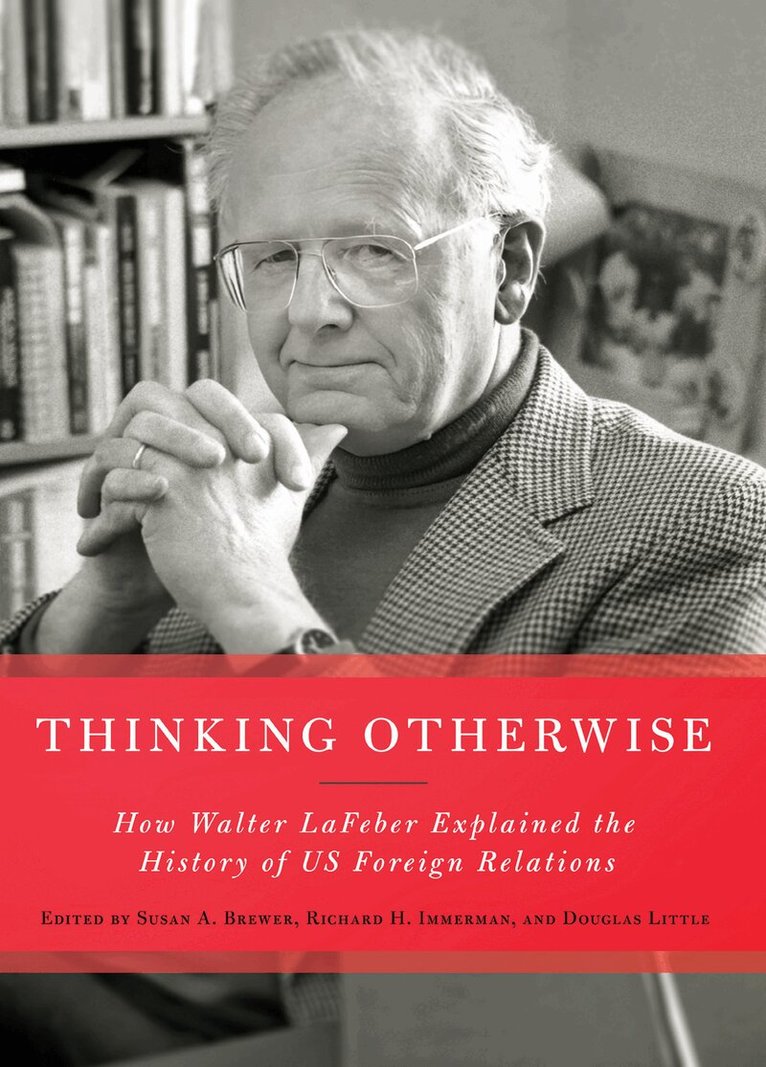
Thinking Otherwise
How Walter LaFeber Explained the History of US Foreign Relations
Inbunden, Engelska, 2024
557 kr
Skickas inom 10-15 vardagar
Thinking Otherwise addresses the question of what makes a great historian by exploring the teaching and scholarship of Walter LaFeber, widely acclaimed as the most distinguished historian of US foreign relations. This volume of essays, edited by Susan A. Brewer, Richard H. Immerman, and Douglas Little, is a testament to a scholar who published more than a dozen books during his time at Cornell University, where he delivered legendary lectures for half a century. The chapters trace LaFeber's journey as a scholar and demonstrate his enduring influence on the history of US foreign relations by linking six of his monographs to his abiding concern about the fate of the American experiment from the 18th century to the present. Thinking Otherwise explains and assesses the scholarship of a historian whose work became canonical in his lifetime and continues to resonate throughout public policy debates.
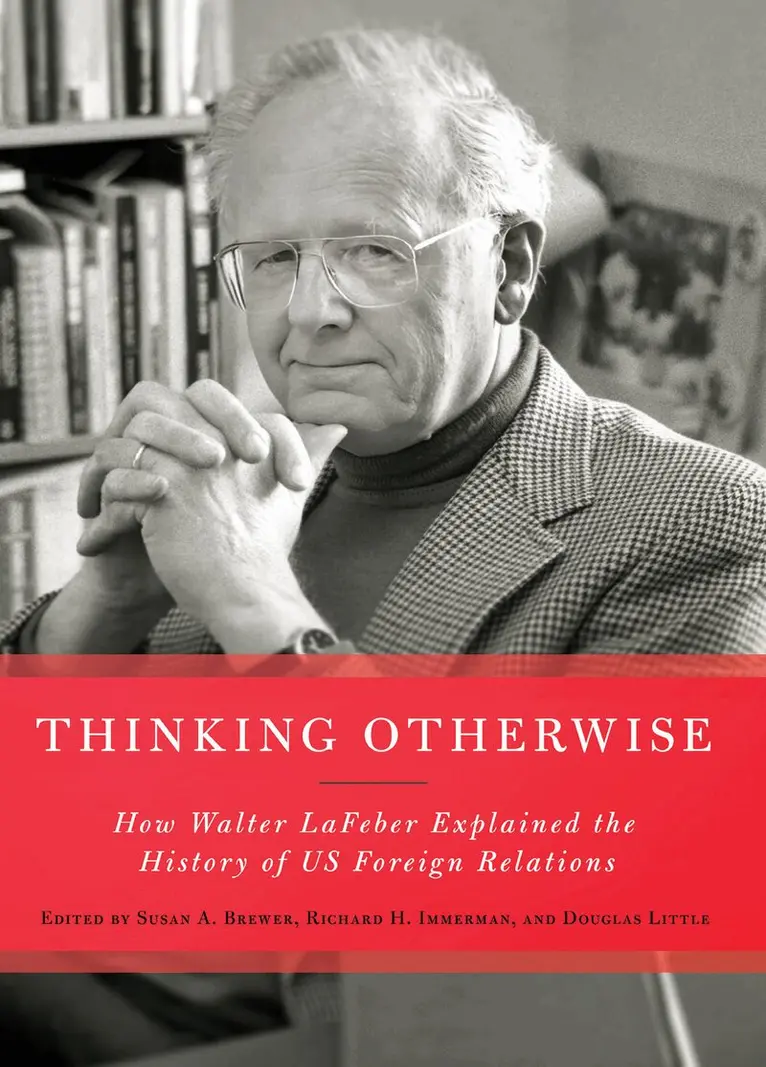
Thinking Otherwise
How Walter LaFeber Explained the History of US Foreign Relations
Häftad, Engelska, 2024
254 kr
Skickas inom 10-15 vardagar
Thinking Otherwise addresses the question of what makes a great historian by exploring the teaching and scholarship of Walter LaFeber, widely acclaimed as the most distinguished historian of US foreign relations. This volume of essays, edited by Susan A. Brewer, Richard H. Immerman, and Douglas Little, is a testament to a scholar who published more than a dozen books during his time at Cornell University, where he delivered legendary lectures for half a century. The chapters trace LaFeber's journey as a scholar and demonstrate his enduring influence on the history of US foreign relations by linking six of his monographs to his abiding concern about the fate of the American experiment from the 18th century to the present. Thinking Otherwise explains and assesses the scholarship of a historian whose work became canonical in his lifetime and continues to resonate throughout public policy debates.