Susan Blakeley Klein - Böcker
Visar alla böcker från författaren Susan Blakeley Klein. Handla med fri frakt och snabb leverans.
2 produkter
2 produkter
Del 55 - Harvard-Yenching Institute Monograph Series
Allegories of Desire
Esoteric Literary Commentaries of Medieval Japan
Inbunden, Engelska, 2003
392 kr
Skickas inom 7-10 vardagar
One of the more intriguing developments within medieval Japanese literature is the incorporation into the teaching of waka poetry of the practices of initiation ceremonies and secret transmissions found in esoteric Buddhism. The main figure in this development was the obscure thirteenth-century poet Fujiwara Tameaki, grandson of the famous poet Fujiwara Teika and a priest in a tantric Buddhist sect. Tameaki's commentaries and teachings transformed secular texts such as the Tales of Ise and poetry anthologies such as the Kokin waka shu into complex allegories of Buddhist enlightenment. These commentaries were transmitted to his students during elaborate initiation ceremonies. In later periods, Tameaki's specific ideas fell out of vogue, but the habit of interpreting poetry allegorically continued.This book examines the contents of these commentaries as well as the qualities of the texts they addressed that lent themselves to an allegorical interpretation; the political, economic, and religious developments of the Kamakura period that encouraged the development of this method of interpretation; and the possible motives of the participants in this school of interpretation. Through analyses of six esoteric commentaries, Susan Blakeley Klein presents examples of this interpretive method and discusses its influence on subsequent texts, both elite and popular.
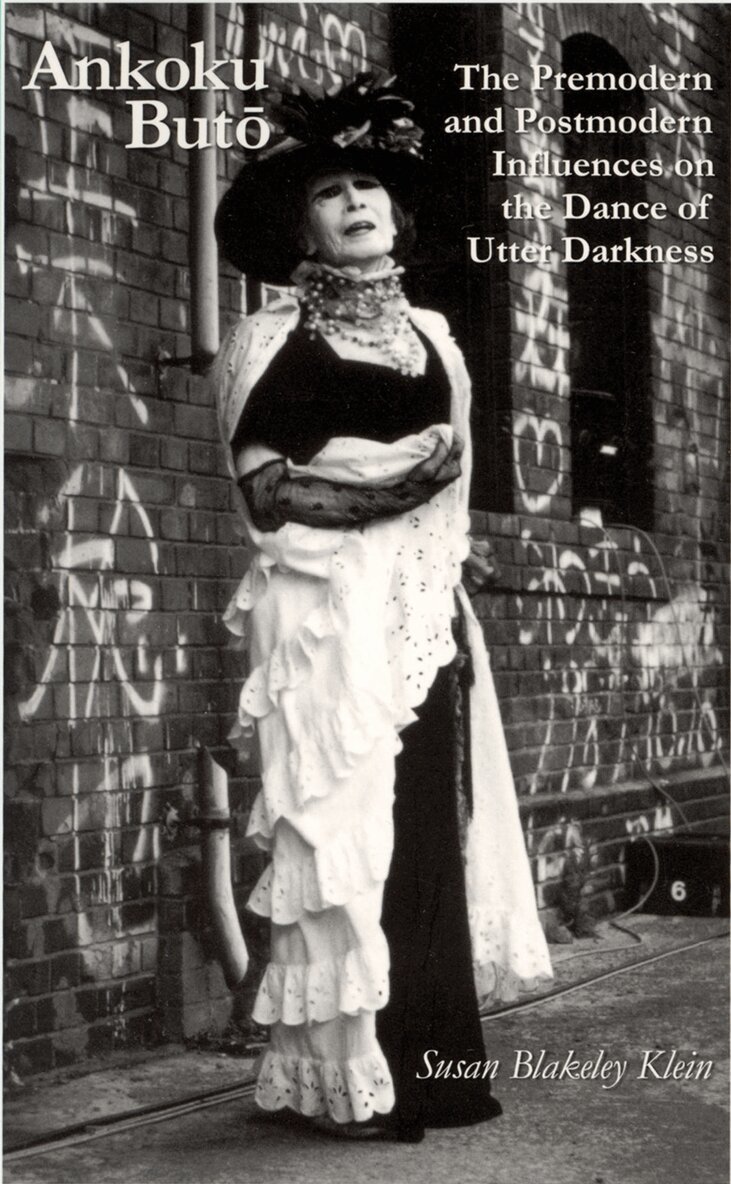
Ankoku Buto
The Premodern and Postmodern Influences on the Dance of Utter Darkness
Häftad, Engelska, 2011
207 kr
Skickas inom 10-15 vardagar
A brief introduction to the history, philosophy, and techniques of the Japanese avant-garde dance movement, Ankoku Buto. Evoking images of grotesque beauty, revelling in the seamy underside of human behavior, Buto dance groups such as Sankai Juku and Dai Rakuda-kan have performed to wide critical and popular acclaim, making Buto one of the most influential new forces in the dance world today. The monograph traces the development of Buto from its birth in the bleak post-war landscape of 1950s Japan, and then addresses the question of Buto as a post-modern phenomenon, before going on to examine the influence of traditional Japanese performance on Buto techniques. The last chapter analyzes a specific dance (Niwa - The Garden) by Muteki-sha, to show how these techniques are used concretely. Includes translations of four essays on Butō by contemporary Japanese dance critics.