Susan Byrne - Böcker
Visar alla böcker från författaren Susan Byrne. Handla med fri frakt och snabb leverans.
3 produkter
3 produkter
371 kr
Skickas inom 7-10 vardagar
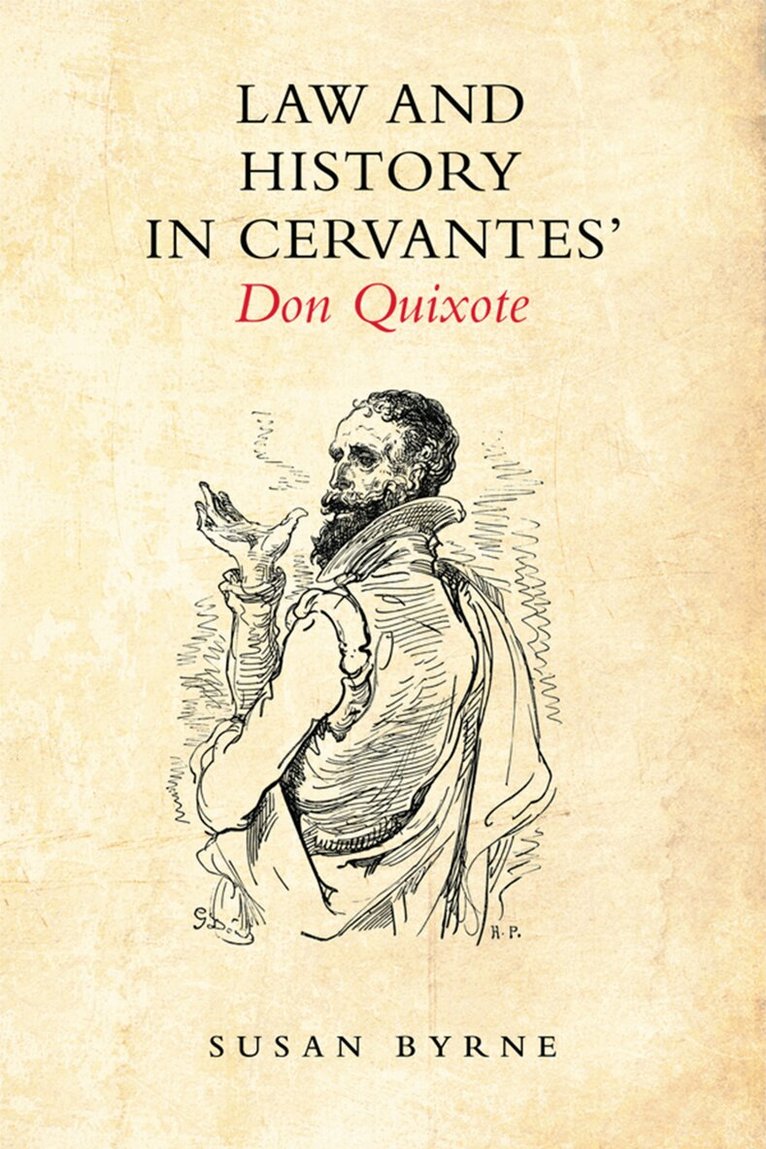
Law and History in Cervantes’ Don Quixote is a deep consideration of the intellectual environment that gave rise to Cervantes’ seminal work. Susan Byrne demonstrates how Cervantes synthesized the debates surrounding the two most authoritative discourses of his era – those of law and history – into a new aesthetic product, the modern novel.Byrne uncovers the empirical underpinnings of Don Quixote through a close philological study of Cervantes’ sly questioning of and commentary on these fields. As she skilfully demonstrates, while sixteenth-century historiographers and jurists across southern Europe sought the philosophical nexus of their fields, Cervantes created one through the adventures of a protagonist whose history is all about justice. As such, Law and History in Cervantes’ Don Quixote illustrates how Cervantes’ art highlighted the inconsistencies of juridical-historical texts and practice, as well as anticipated the ultimate resolution of their paradoxes.
825 kr
Skickas inom 7-10 vardagar
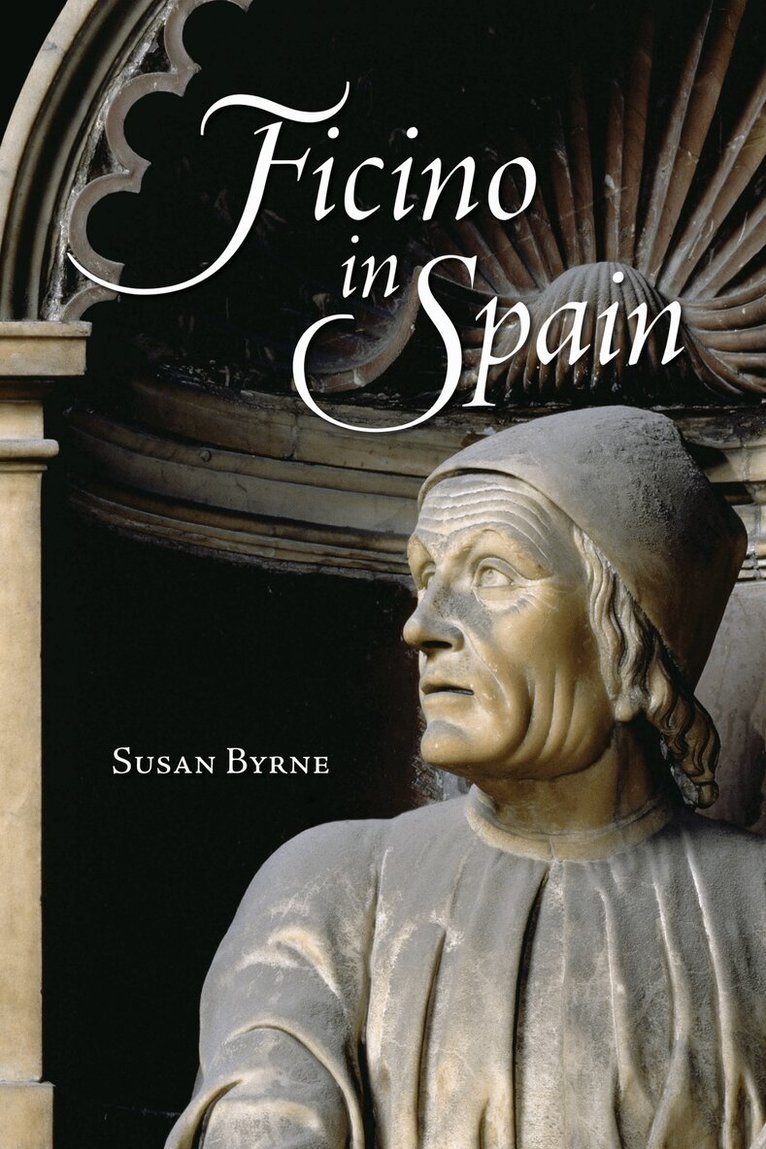
As the first translator of Plato’s complete works into Latin, the Florentine writer Marsilio Ficino (1433–99) and his blend of Neoplatonic and Hermetic philosophy were fundamental to the intellectual atmosphere of the Renaissance. In Spain, his works were regularly read, quoted, and referenced, at least until the nineteenth century, when literary critics and philosophers wrote him out of the history of early modern Spain.In Ficino in Spain, Susan Byrne uses textual and bibliographic evidence to show the pervasive impact of Ficino’s writings and translations on the Spanish Renaissance. Cataloguing everything from specific mentions of his name in major texts to glossed volumes of his works in Spanish libraries, Byrne shows that Spanish writers such as Miguel de Cervantes, Lope de Vega, BartolomÉ de las Casas, and Garcilaso de la Vega all responded to Ficino and adapted his imagery for their own works. An important contribution to the study of Spanish literature and culture from the fifteenth to the seventeenth centuries, Ficino in Spain recovers the role that Hermetic and Neoplatonic thought played in the world of Spanish literature.
719 kr
Skickas inom 7-10 vardagar
The Aesthetic Turn in Cervantes broadens our understanding of this transformative period. Susan Byrne examines a little-known legal treatise published in 1600 that defended artists’ rights and served as a rallying cry for writers in Madrid. The book investigates early efforts to define creative writing as "good," "human," or "polished" letters, foreshadowing the mid-seventeenth-century French concept of belles lettres. Byrne closely analyses Cervantes’s exploration of key aesthetic themes, including sensory experience, the interplay between sentiment and reason, the role of imagination in art, and the complex nature of truth and beauty.Ultimately, the book illuminates how Cervantes gradually reconceptualized art and its truths as fully human expressions throughout his lifetime, both formally and substantively.