Susan Currell – författare
Visar alla böcker från författaren Susan Currell. Handla med fri frakt och snabb leverans.
6 produkter
American Culture in the 1920s
Häftad, 2009
600 kr
Lägg i varukorg
The 1920s saw the United States rise to its current status as the leading world superpower, matched by an emerging cultural dominance that characterized the second half of the twentieth century. This book provides an stimulating account of the major cultural and intellectual trends of the decade …
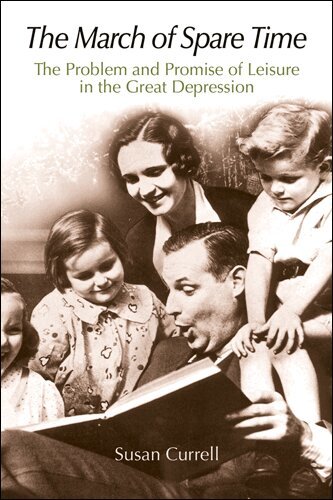
March of Spare Time
The Problem and Promise of Leisure in the Great Depression
E-bok, 2010
427 kr
Lägg i varukorg
In The March of Spare Time, Susan Currell explores how and why leisure became an object of such intense interest, concern, and surveillance during the Great Depression. As Americans experienced record high levels of unemployment, leisure was thought by reformers, policy makers, social scientists, …
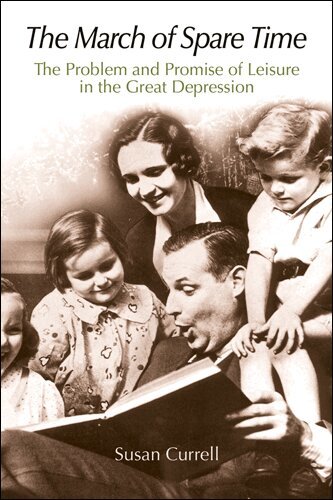
March of Spare Time
The Problem and Promise of Leisure in the Great Depression
Häftad, 2010
342 kr
Lägg i varukorg
In The March of Spare Time, Susan Currell explores how and why leisure became an object of such intense interest, concern, and surveillance during the Great Depression. As Americans experienced record high levels of unemployment, leisure was thought by reformers, policy makers, social scientists, …
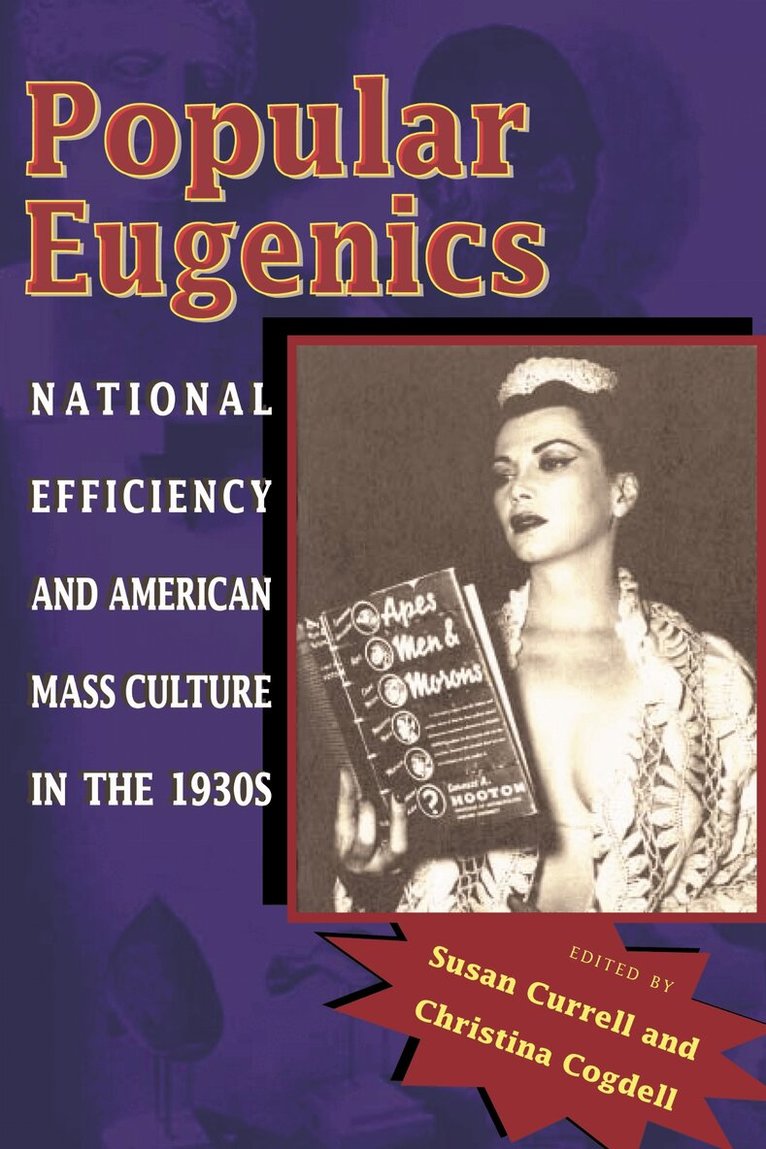
Popular Eugenics
National Efficiency and American Mass Culture in the 1930s
Av Susan Currell, Christina Cogdell
Inbunden, 2006
814 kr
Lägg i varukorg
The motto “Eugenics is the self-direction of human evolution” was part of the logo of the Second International Congress of Eugenics, held in 1921. However, by the 1930s, the disturbing legacy of this motto had started to reveal itself in the construction of national identities in countries …
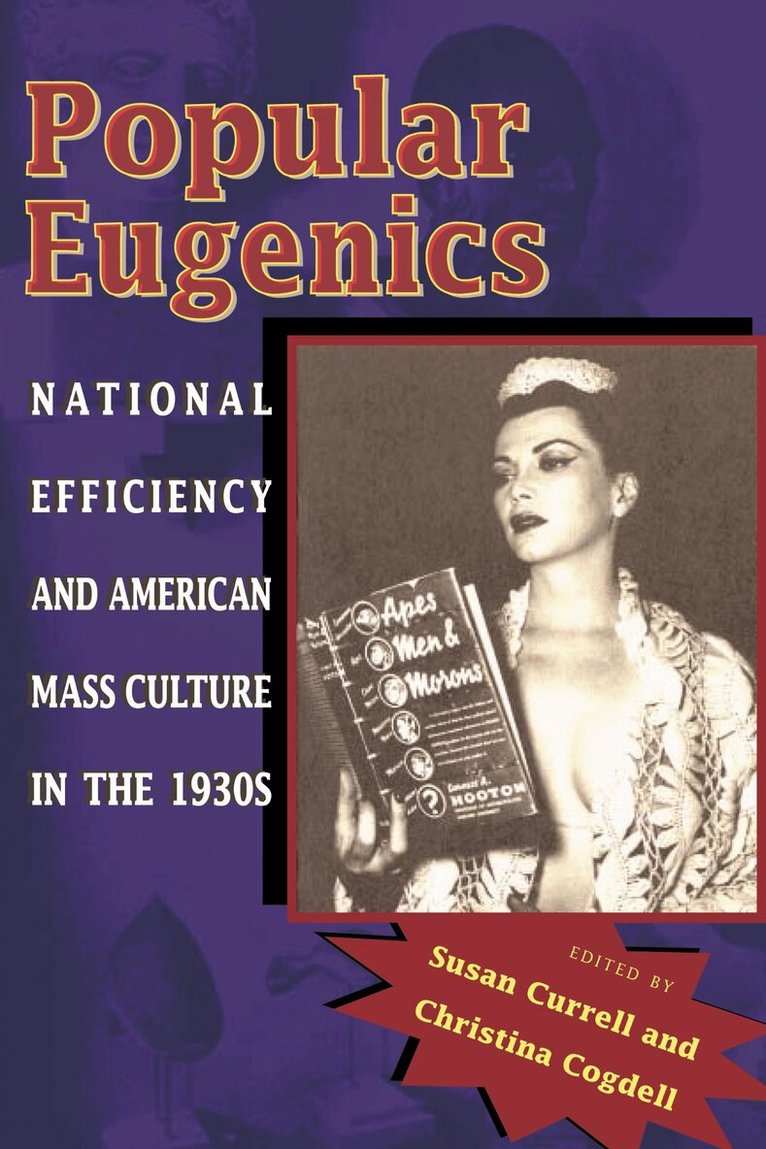
Popular Eugenics
National Efficiency and American Mass Culture in the 1930s
Av Susan Currell, Christina Cogdell
Häftad, 2006
396 kr
Lägg i varukorg
The motto “Eugenics is the self-direction of human evolution” was part of the logo of the Second International Congress of Eugenics, held in 1921. However, by the 1930s, the disturbing legacy of this motto had started to reveal itself in the construction of national identities in countries …