Susan L. Einbinder – författare
Visar alla böcker från författaren Susan L. Einbinder. Handla med fri frakt och snabb leverans.
9 produkter
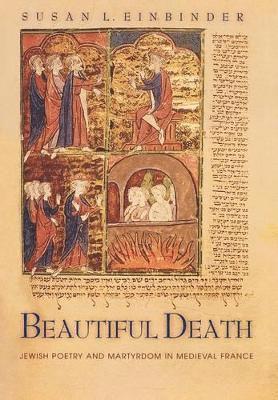
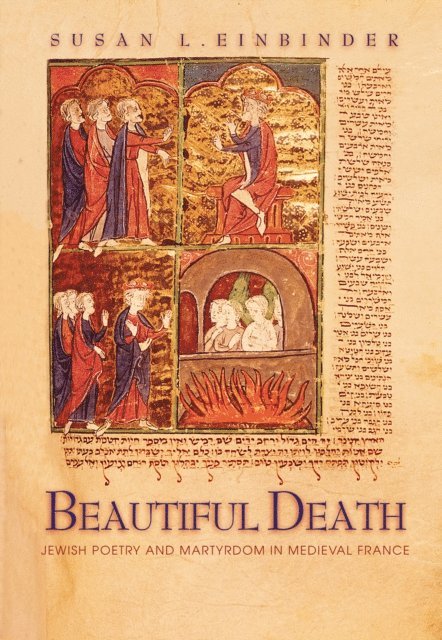
Beautiful Death
Jewish Poetry and Martyrdom in Medieval France
Inbunden, 2002
1005 kr
Lägg i varukorg
When Crusader armies on their way to the Holy Land attacked Jewish communities in the Rhine Valley, many Jews chose suicide over death at the hands of Christian mobs. With their defiant deaths, the medieval Jewish martyr was born. With the literary commemoration of the victims, Jewish martyrology …
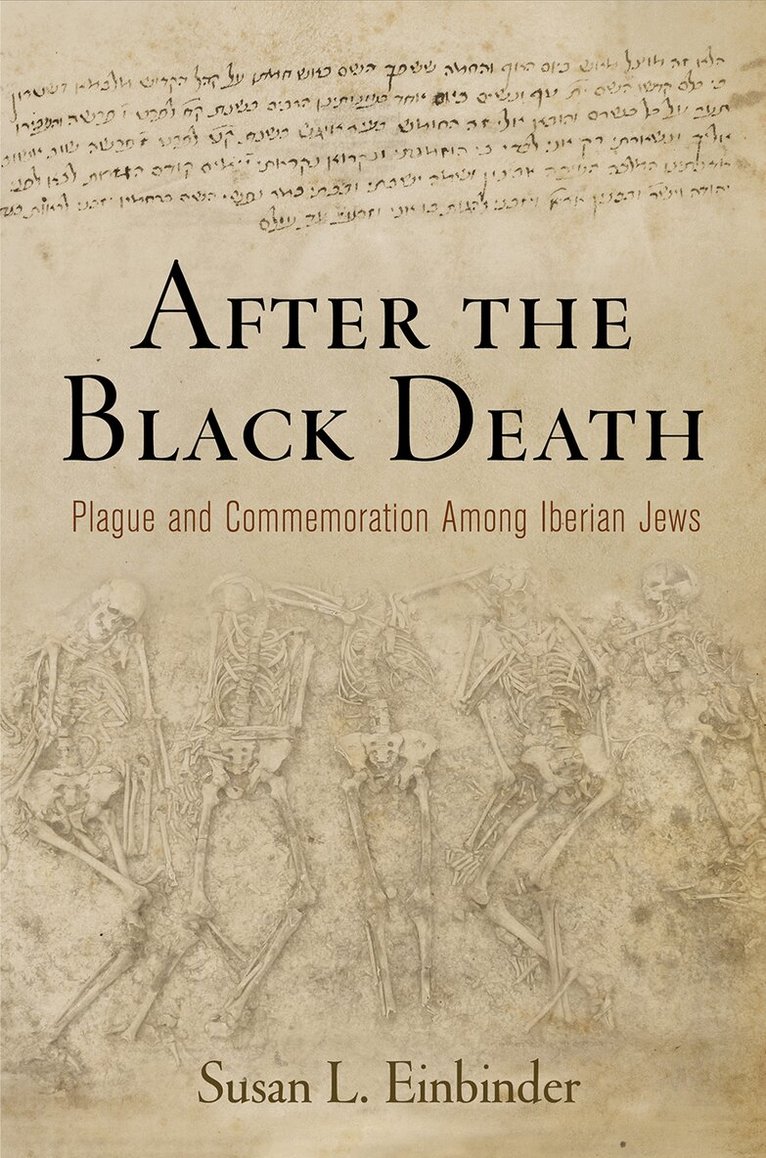
After the Black Death
Plague and Commemoration Among Iberian Jews
Häftad, 2022
378 kr
Lägg i varukorg
The Black Death of 1348-50 devastated Europe. With mortality estimates ranging from thirty to sixty percent of the population, it was arguably the most significant event of the fourteenth century. Nonetheless, its force varied across the continent, and so did the ways people responded to it. …
No Place of Rest
Jewish Literature, Expulsion, and the Memory of Medieval France
Inbunden, 2008
822 kr
Lägg i varukorg
When King Philip VI expelled the Jews in 1306, some 100,000 men, women, and children were driven from royal France into the neighboring lands of Spain, Provence, Italy, and North Africa. The great expulsion of 1306 was arguably one of the most traumatic moments of medieval Jewish history and would …
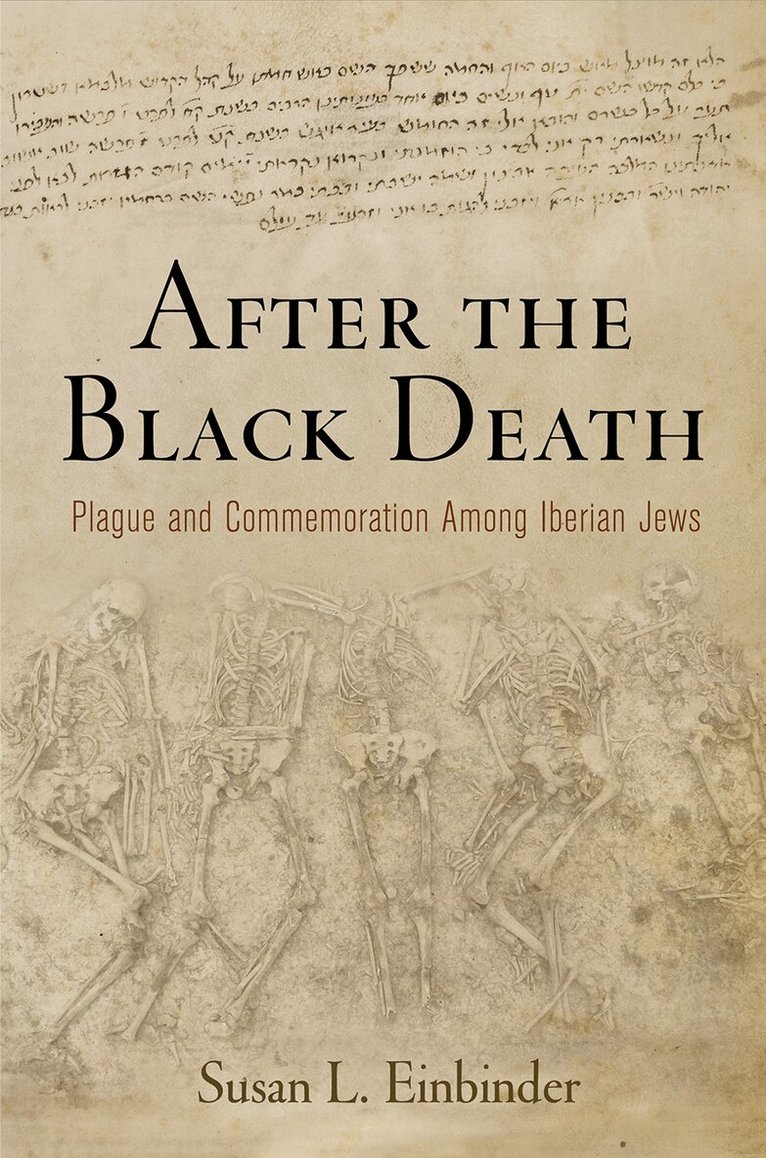
After the Black Death
Plague and Commemoration Among Iberian Jews
Inbunden, 2018
1171 kr
Lägg i varukorg
The Black Death of 1348-50 devastated Europe. With mortality estimates ranging from thirty to sixty percent of the population, it was arguably the most significant event of the fourteenth century. Nonetheless, its force varied across the continent, and so did the ways people responded to it. …
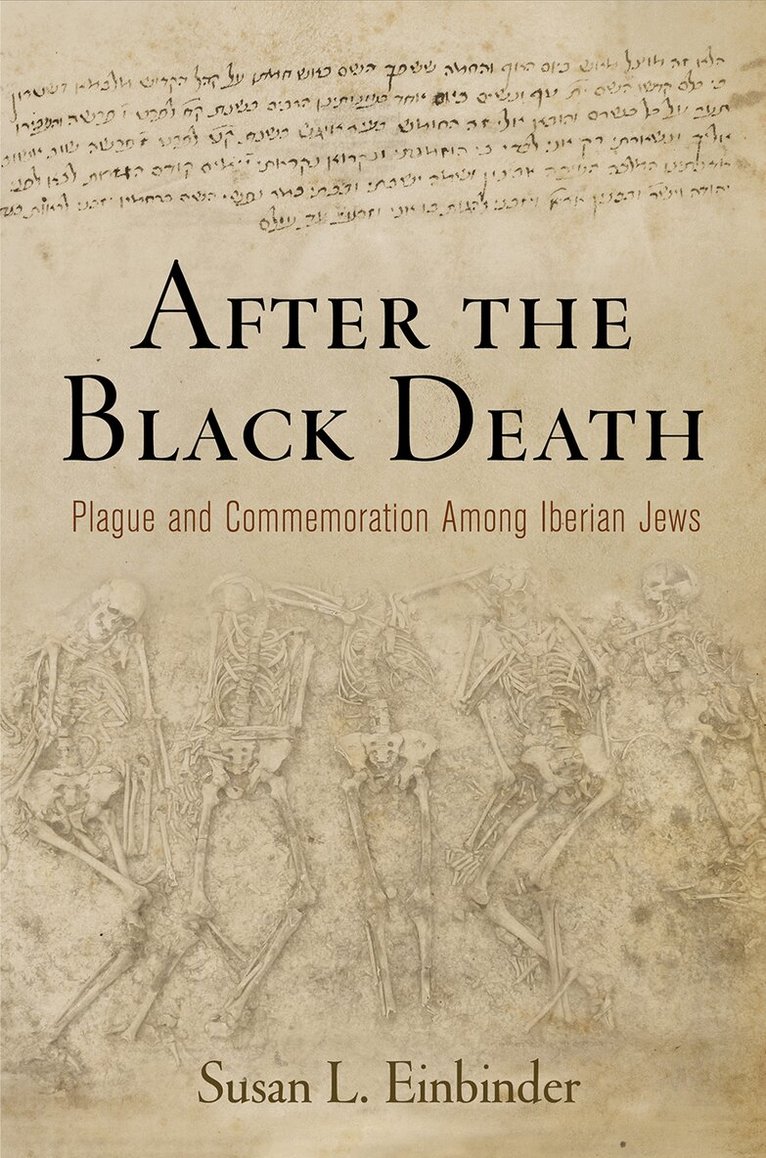
After the Black Death
Plague and Commemoration Among Iberian Jews
E-bok, 2018
427 kr
Lägg i varukorg
The Black Death of 1348-50 devastated Europe. With mortality estimates ranging from thirty to sixty percent of the population, it was arguably the most significant event of the fourteenth century. Nonetheless, its force varied across the continent, and so did the ways people responded to it. …
Beautiful Death
Jewish Poetry and Martyrdom in Medieval France
E-bok, 2002
1234 kr
Lägg i varukorg
When Crusader armies on their way to the Holy Land attacked Jewish communities in the Rhine Valley, many Jews chose suicide over death at the hands of Christian mobs. With their defiant deaths, the medieval Jewish martyr was born. With the literary commemoration of the victims, Jewish martyrology …
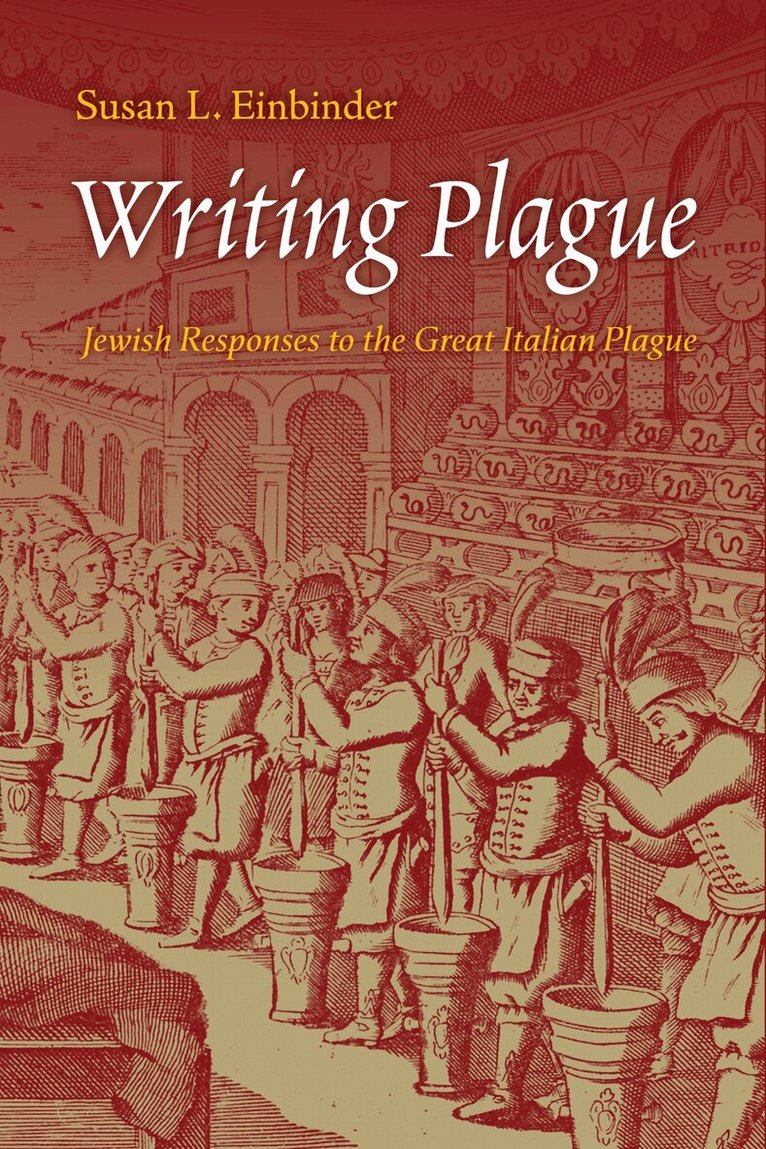
Writing Plague
Jewish Responses to the Great Italian Plague
Inbunden, 2022
639 kr
Lägg i varukorg
A wave of plague swept the cities of northern Italy in 1630–31, ravaging Christian and Jewish communities alike. In Writing Plague Susan L. Einbinder explores the Hebrew texts that lay witness to the event. These Jewish sources on the Great Italian Plague have never been treated together as a …
Writing Plague
Jewish Responses to the Great Italian Plague
E-bok, 2022
739 kr
Lägg i varukorg
A wave of plague swept the cities of northern Italy in 1630–31, ravaging Christian and Jewish communities alike. In Writing Plague Susan L. Einbinder explores the Hebrew texts that lay witness to the event. These Jewish sources on the Great Italian Plague have never been treated together as a …
Jewish Physician’s Response to the Black Death
Abraham Caslari’s "Tractate on Pestilential Fevers and Fever Types"
Inbunden, 2026
1763 kr
Lägg i varukorg
Abraham Caslari was a Jewish physician in Catalonia, where he and his family found refuge after the great expulsion of French Jews in 1306. In 1348, he was also one of the many physicians who found themselves treating men, women, and children during the Black Death. Rejecting the emerging consensus …