Susan Layton – författare
Visar alla böcker från författaren Susan Layton. Handla med fri frakt och snabb leverans.
5 produkter
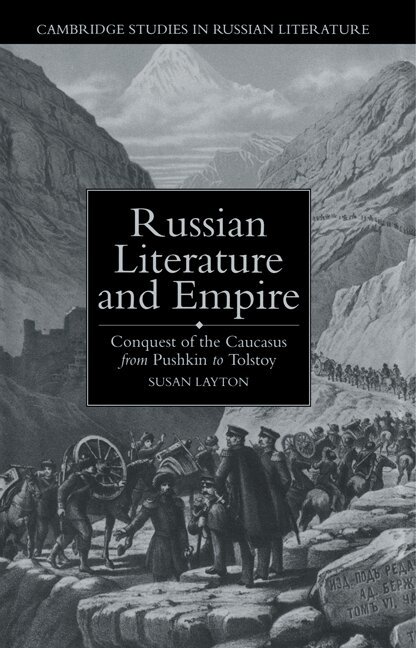
Russian Literature and Empire
Conquest of the Caucasus from Pushkin to Tolstoy
Av Susan Layton, Catriona Kelly m. fl.
Häftad, 2005
560 kr
Lägg i varukorg
This is the first book to provide a synthesising study of Russian writing about the Caucasus during the nineteenth-century age of empire-building. From Pushkin's ambivalent portrayal of an alpine Circassia to Tolstoy's condemnation of tsarist aggression against Muslim tribes in Hadji Murat, the …
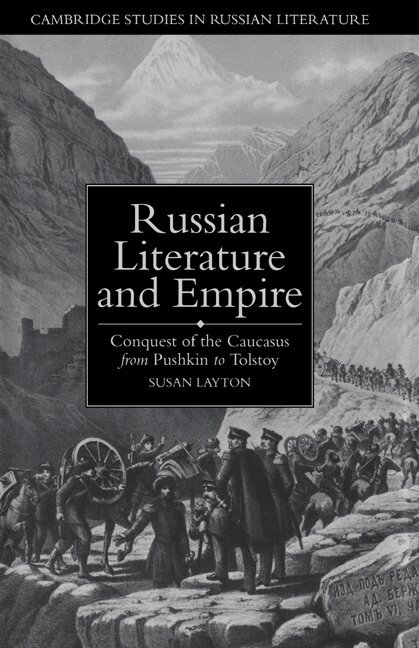
Russian Literature and Empire
Conquest of the Caucasus from Pushkin to Tolstoy
Av Susan Layton, Catriona Kelly m. fl.
Inbunden, 1995
2697 kr
Lägg i varukorg
This is the first book to provide a synthesising study of Russian writing about the Caucasus during the nineteenth-century age of empire-building. From Pushkin's ambivalent portrayal of an alpine Circassia to Tolstoy's condemnation of tsarist aggression against Muslim tribes in Hadji Murat, the …
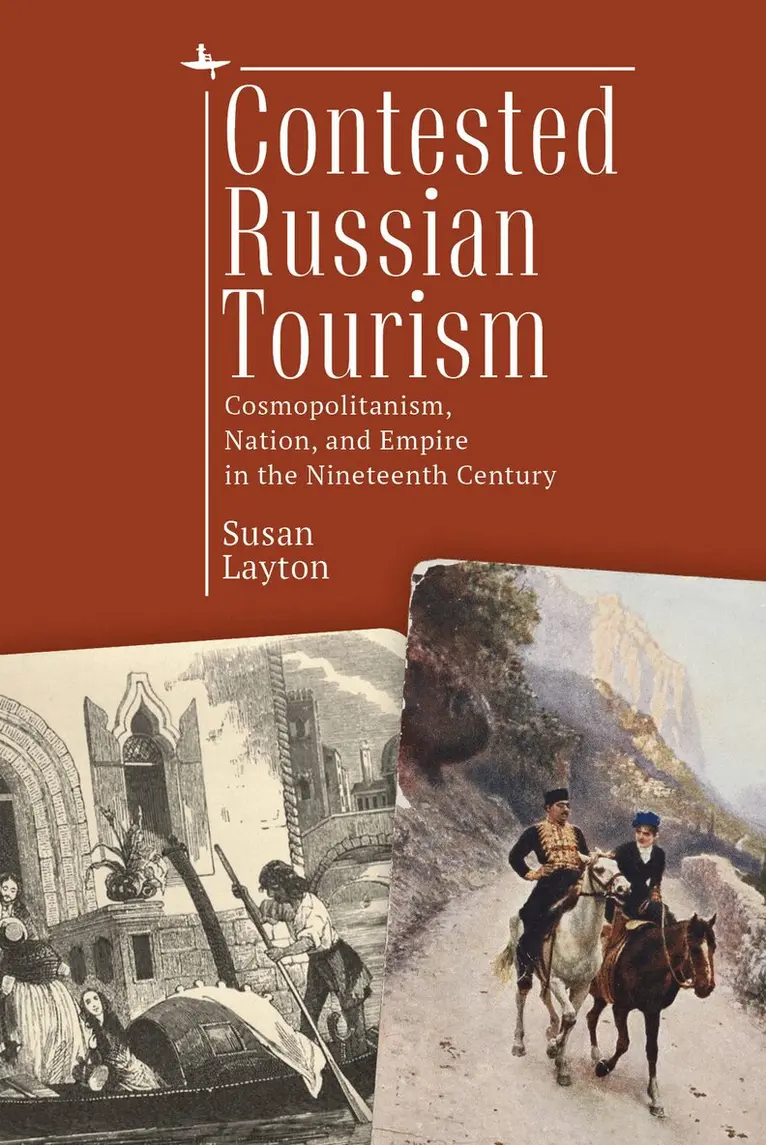
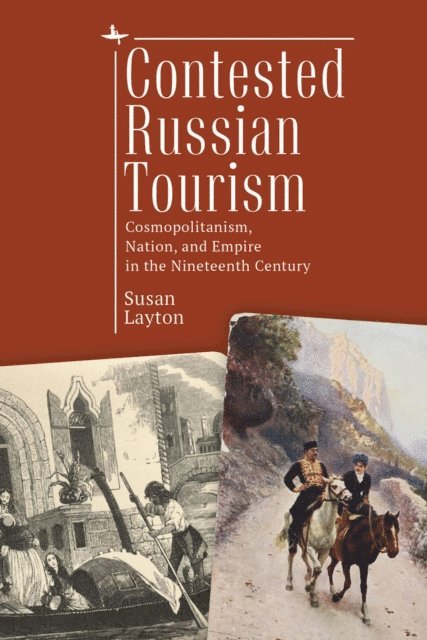
Contested Russian Tourism
Cosmopolitanism, Nation, and Empire in the Nineteenth Century
Av Susan Layton
Inbunden, 2021
1468 kr
Lägg i varukorg
This literary, cultural history examines imperial Russian tourism’s entanglement in the vexed issue of cosmopolitanism understood as receptiveness to the foreign and pitted against provinciality and nationalist anxiety about the allure and the influence of Western Europe. The study maps the shift …
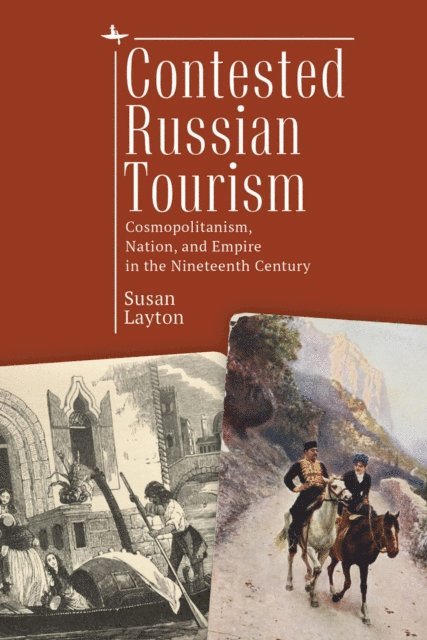
Contested Russian Tourism
Cosmopolitanism, Nation, and Empire in the Nineteenth Century
Av Susan Layton
E-bok, 2021
3186 kr
Lägg i varukorg
This literary, cultural history examines imperial Russian tourism’s entanglement in the vexed issue of cosmopolitanism understood as receptiveness to the foreign and pitted against provinciality and nationalist anxiety about the allure and the influence of Western Europe. The study maps the shift …
Contested Russian Tourism
Cosmopolitanism, Nation, and Empire in the Nineteenth Century
Av Susan Layton
E-bok, 2021
2967 kr
Lägg i varukorg
This literary, cultural history examines imperial Russian tourism’s entanglement in the vexed issue of cosmopolitanism understood as receptiveness to the foreign and pitted against provinciality and nationalist anxiety about the allure and the influence of Western Europe. The study maps the shift …