Susan Levine – författare
Visar alla böcker från författaren Susan Levine. Handla med fri frakt och snabb leverans.
8 produkter
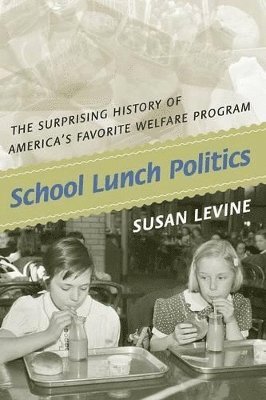
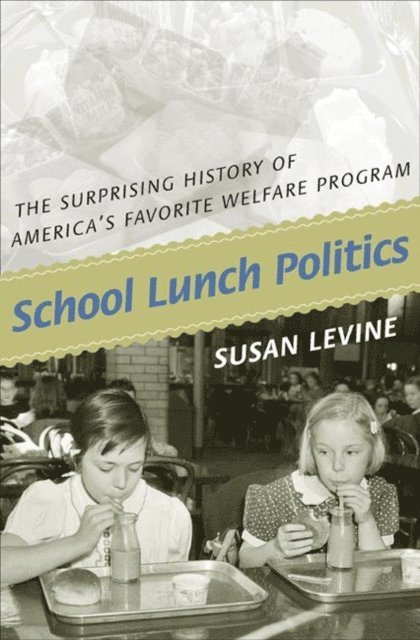
School Lunch Politics
The Surprising History of America's Favorite Welfare Program
Av Susan Levine
Häftad, 2010
601 kr
Lägg i varukorg
Whether kids love or hate the food served there, the American school lunchroom is the stage for one of the most popular yet flawed social welfare programs in our nation's history. School Lunch Politics covers this complex and fascinating part of American culture, from its origins in early …
Eureka
Av Susan Levine, Susan F. Levine
Inbunden, 2004
620 kr
Lägg i varukorg
Originally published in 1848, Eureka is Poe's book on how the universe was formed, how it functions, and what its future might be. Poe provides a physical, scientific explanation for the interconnectedness of all things--an idea at the heart of much of nineteenth-century romanticism and American …
Poe's Critical Theory
The MAJOR DOCUMENTS
Av Susan Levine, Susan F. Levine
Inbunden, 2008
764 kr
Lägg i varukorg
Edgar Allan Poe's reputation as an enduring and influential American literary critic rests mainly upon the pieces in this edition. Editors Stuart and Susan F. Levine provide reading texts, detailed explanatory footnotes, variant readings, and introductions to show context. They also face frankly …
Short Fiction of Edgar Allan Poe
An ANNOTATED EDITION
Av Susan Levine, Susan F. Levine
Häftad, 1989
439 kr
Lägg i varukorg
The Short Fiction of Edgar Allan Poe brings together, in one convenient edition, all of the information a reader needs to understand Poe's stories. Readable, attractive, and accessible to a general reader or student, it also provides a useful resource for the scholar and specialist. Stuart Levine …
Poe's Critical Theory
The MAJOR DOCUMENTS
Av Susan Levine, Susan F. Levine
E-bok, 2010
653 kr
Lägg i varukorg
Edgar Allan Poe’s reputation as an enduring and influential American literary critic rests mainly upon the pieces in this edition. Editors Stuart Levine and Susan F. Levine provide reading texts, detailed explanatory footnotes, variant readings, and introductions to show context. They also face …
School Lunch Politics
The Surprising History of America''s Favorite Welfare Program
Av Susan Levine
E-bok, 2011
503 kr
Lägg i varukorg
Whether kids love or hate the food served there, the American school lunchroom is the stage for one of the most popular yet flawed social welfare programs in our nation''s history. School Lunch Politics covers this complex and fascinating part of American culture, from its origins in early …