Susan Manly – författare
Visar alla böcker från författaren Susan Manly. Handla med fri frakt och snabb leverans.
6 produkter
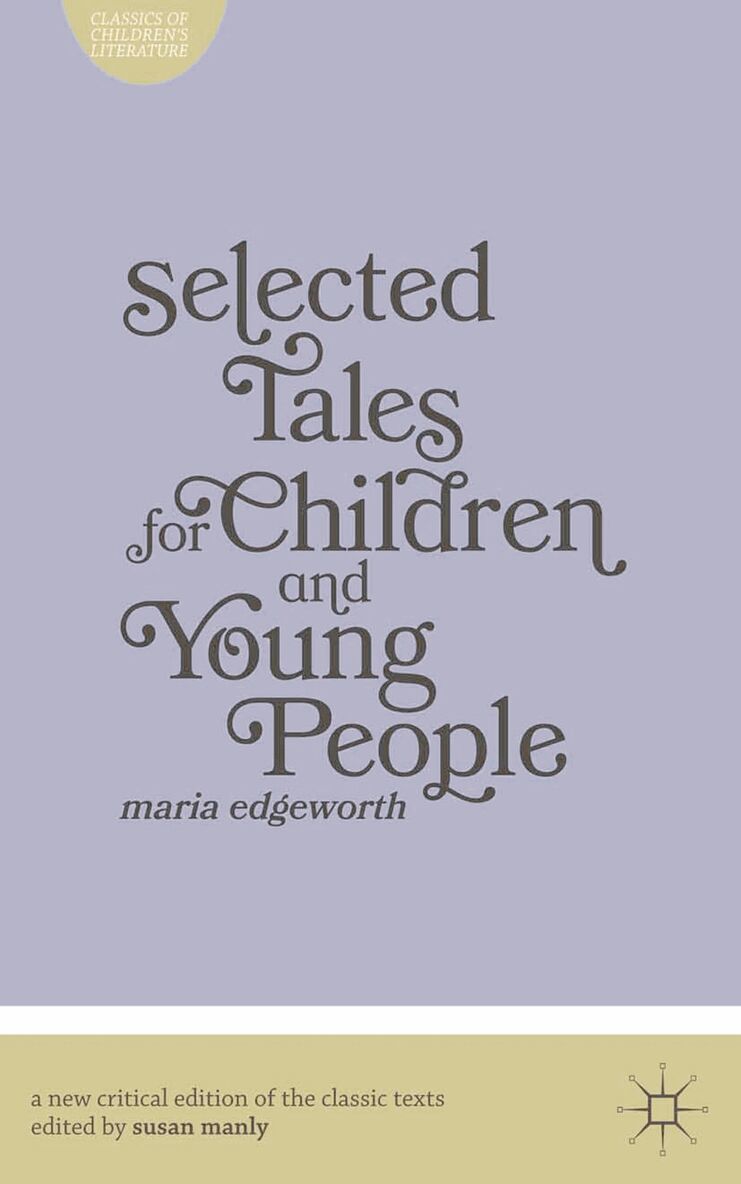
Selected Tales for Children and Young People
Av Susan Manly, Maria Edgeworth m. fl.
Häftad, 2013
316 kr
Lägg i varukorg
Maria Edgeworth was a pioneer of realist children's literature. This critical edition reveals the range of her writing for children, ranging from stories for very young children to tales for young adults, and includes The Purple Jar, The Good Aunt and The Grateful Negro. Annotated with a …
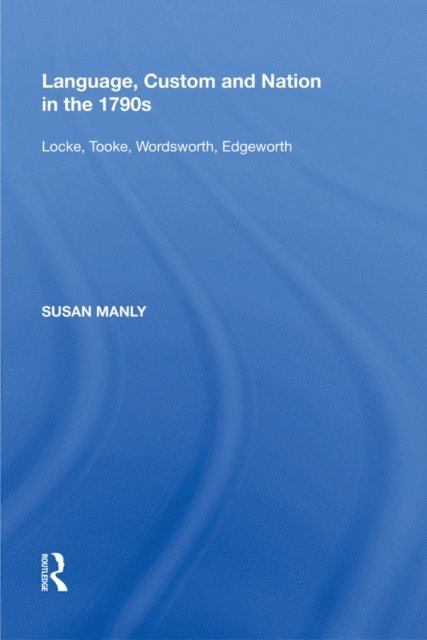
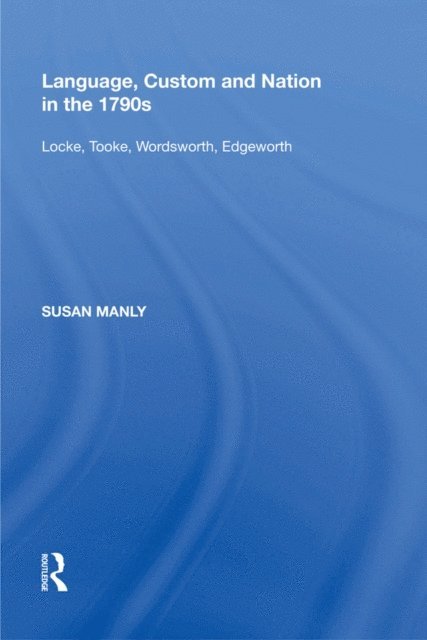
Language, Custom and Nation in the 1790s
Locke, Tooke, Wordsworth, Edgeworth
Av Susan Manly
Inbunden, 2017
2887 kr
Lägg i varukorg
Language, Custom and Nation in the 1790s shows for the first time how the radical 'Jacobin' poets, and their ideas of a 'revolutionary' poetry, were impelled - even 'invented' - by the seventeenth-century English philosopher John Locke. For too long the revolutionary Romanticism and poetic …
Selected Tales for Children and Young People
Av Susan Manly, Maria Edgeworth
E-bok, 2017
341 kr
Lägg i varukorg
Maria Edgeworth was a pioneer of realist children''s literature. This critical edition reveals the range of her writing for children, ranging from stories for very young children to tales for young adults, and includes The Purple Jar , The Good Aunt and The Grateful Negro . Annotated with a …
Language, Custom and Nation in the 1790s
Locke, Tooke, Wordsworth, Edgeworth
Av Susan Manly
Häftad, 2020
795 kr
Lägg i varukorg
Language, Custom and Nation in the 1790s shows for the first time how the radical 'Jacobin' poets, and their ideas of a 'revolutionary' poetry, were impelled - even 'invented' - by the seventeenth-century English philosopher John Locke. For too long the revolutionary Romanticism and poetic …
Language, Custom and Nation in the 1790s
Locke, Tooke, Wordsworth, Edgeworth
Av Susan Manly
E-bok, 2017
916 kr
Lägg i varukorg
Language, Custom and Nation in the 1790s shows for the first time how the radical ''Jacobin'' poets, and their ideas of a ''revolutionary'' poetry, were impelled - even ''invented'' - by the seventeenth-century English philosopher John Locke. For too long the revolutionary Romanticism and poetic …
Language, Custom and Nation in the 1790s
Locke, Tooke, Wordsworth, Edgeworth
Av Susan Manly
E-bok, 2017
936 kr
Lägg i varukorg
Language, Custom and Nation in the 1790s shows for the first time how the radical ''Jacobin'' poets, and their ideas of a ''revolutionary'' poetry, were impelled - even ''invented'' - by the seventeenth-century English philosopher John Locke. For too long the revolutionary Romanticism and poetic …