Susan P. Murphy - Böcker
Visar alla böcker från författaren Susan P. Murphy. Handla med fri frakt och snabb leverans.
4 produkter
4 produkter
2 044 kr
Skickas inom 10-15 vardagar
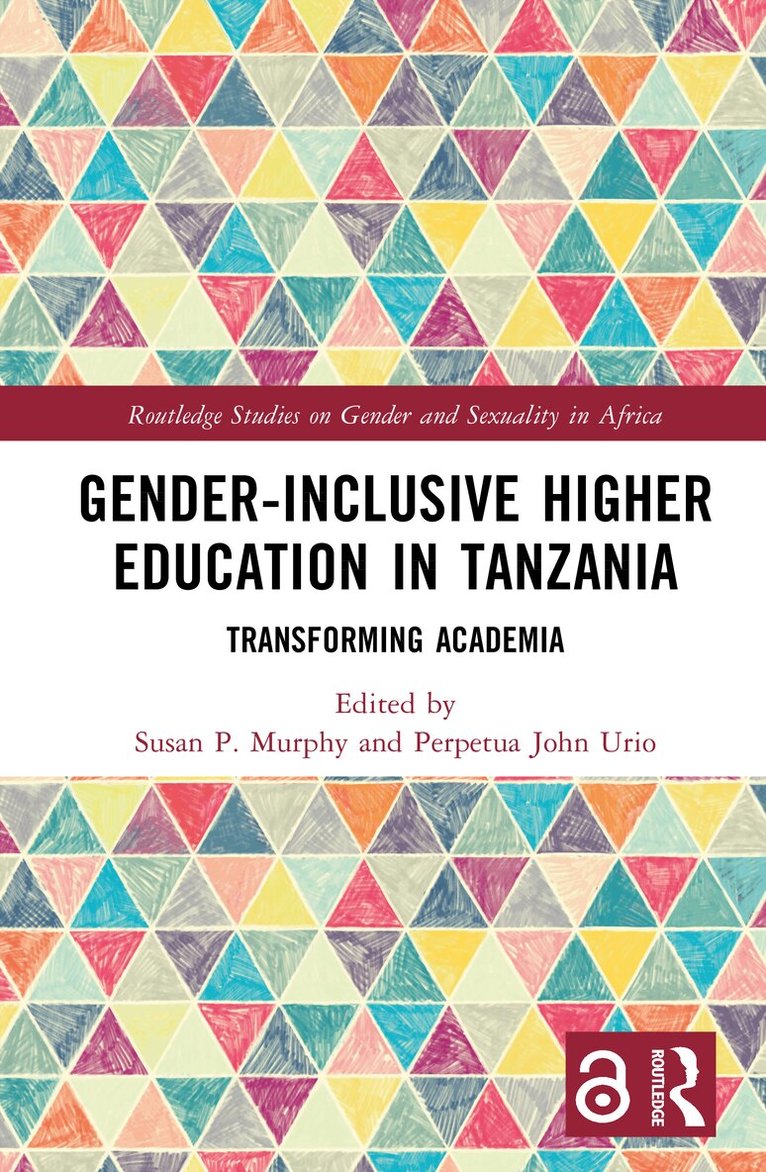
Whilst there is an extensive body of research exploring the barriers to gender equality and female empowerment in high-income states, there are far fewer systematic analyses within lower-income settings. This book draws on extensive empirical data to analyse gender mainstreaming and gender transformative actions in Tanzanian higher education.The book maps the practical landscape of gender mainstreaming across 14 universities in Tanzania, and the theoretical landscape of African theories of masculinities and femininities underpinning educational institutions and practices. It then assesses the Gender Awareness and Transformation through Education project, which was designed to support the development of gender expertise and capacities in research and education at one specific institution, across both its administrative and academic units. Current and future academics at Dar es Salaam University College of Education were trained in gender-based research and education, and a strategic plan was developed to guide in the establishment of a Gender Research Centre that will provide gender expertise in research and teaching to the College; and, over time, to other HEIs nationally and regionally. By bringing together real-world insights from action-based research, the book demonstrates the impact of real-time social change and gender transformation, with implications both for Tanzania and beyond.Bringing novel empirical insights and policy recommendations, this book will be of interest to researchers and policy makers across the fields of gender studies, education, and African studies.
611 kr
Skickas inom 10-15 vardagar
Whilst there is an extensive body of research exploring the barriers to gender equality and female empowerment in high-income states, there are far fewer systematic analyses within lower-income settings. This book draws on extensive empirical data to analyse gender mainstreaming and gender transformative actions in Tanzanian higher education.The book maps the practical landscape of gender mainstreaming across 14 universities in Tanzania, and the theoretical landscape of African theories of masculinities and femininities underpinning educational institutions and practices. It then assesses the Gender Awareness and Transformation through Education project, which was designed to support the development of gender expertise and capacities in research and education at one specific institution, across both its administrative and academic units. Current and future academics at Dar es Salaam University College of Education were trained in gender-based research and education, and a strategic plan was developed to guide in the establishment of a Gender Research Centre that will provide gender expertise in research and teaching to the College; and, over time, to other HEIs nationally and regionally. By bringing together real-world insights from action-based research, the book demonstrates the impact of real-time social change and gender transformation, with implications both for Tanzania and beyond.Bringing novel empirical insights and policy recommendations, this book will be of interest to researchers and policy makers across the fields of gender studies, education, and African studies.
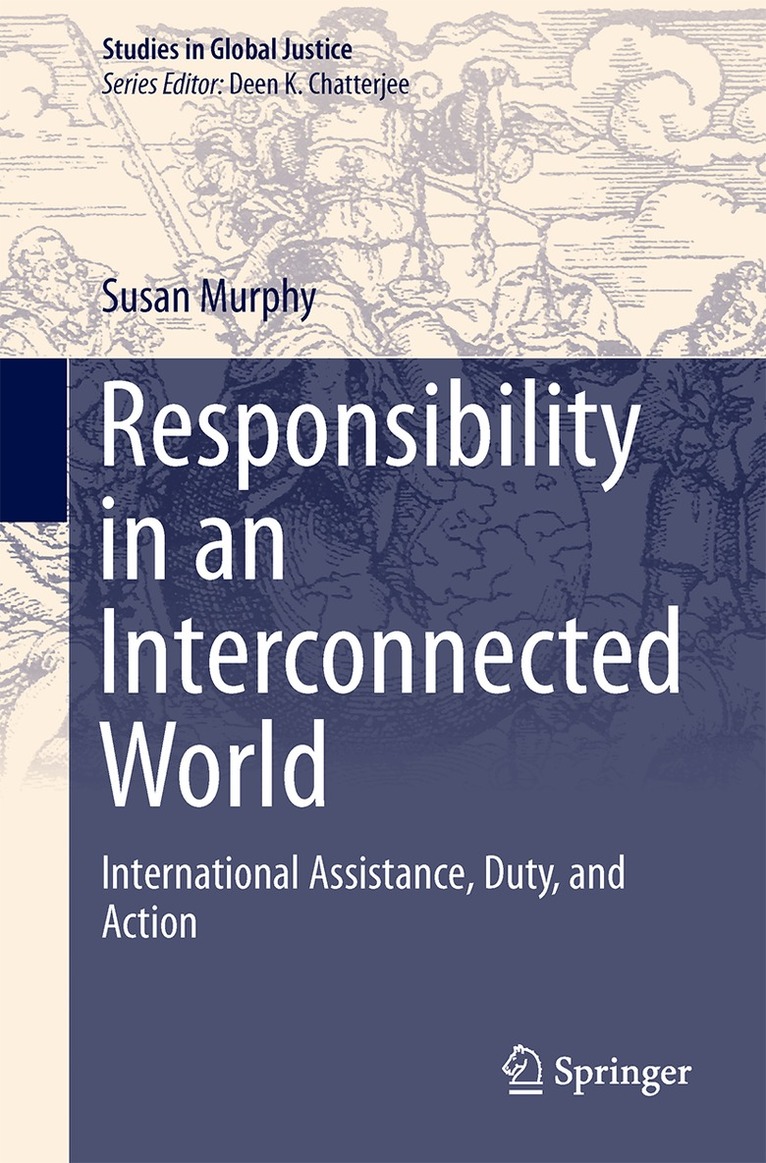
Responsibility in an Interconnected World
International Assistance, Duty, and Action
Inbunden, Engelska, 2016
958 kr
Skickas inom 10-15 vardagar
This monograph opens with an examination of the aid industry and the claims of leading practitioners that the industry is experiencing a crisis of confidence due to an absence of clear moral guidelines. The book then undertakes a critical review of the leading philosophical accounts of the duty to aid, including the narrow, instructive accounts in the writings of John Rawls and Peter Singer, and broad, disruptive accounts in the writings of Onora O’Neill and Amartya Sen. Through an elaboration of the elements of interconnection, responsible action, inclusive engagement, and accumulative duties, the comparative approach developed in the book has the potential to overcome the philosophical tensions between the accounts and provide guidance to aid practitioners, donors and recipients in the complex contemporary circumstances of assistance.Informed by real world examples, this book grapples with complex and multi-dimensional questions concerning practices and the ethics of aid. The author judiciously guides us through the debate between deontological and consequentialist moral theories to arrive at a sophisticated consequentialist account that does justice to the complexity of the problems and facilitates our deliberation in discharging our duty to aid, without yielding, as it should not, a determinate answer for each specific situation. Researchers, students, and practitioners of international aid will all find this book rewarding.Win-chiat Lee,Professor and Chair, Department of Philosophy, Wake Forest UniversitySusan Murphy’s book offers us a sophisticated exploration of the philosophical basis for aid. It is grounded in a full understanding of the complexities and pitfalls of the aid industry, but its particular strength lies, mainly through an extensive discussion of Singer, Rawls, O’Neill and Sen, in a comparison of consequentialist and duty-based approaches, eventually endorsing a broad non-idealised, situated consequentialist account in what she calls an interconnected ethical approach to the practice of assistance. For anyone wanting to think carefully about why we should give aid, this book has much to offer.Dr Nigel DowerHonorary Senior Lecturer, University of Aberdeen Author of World Ethics – the New Agenda (2007)
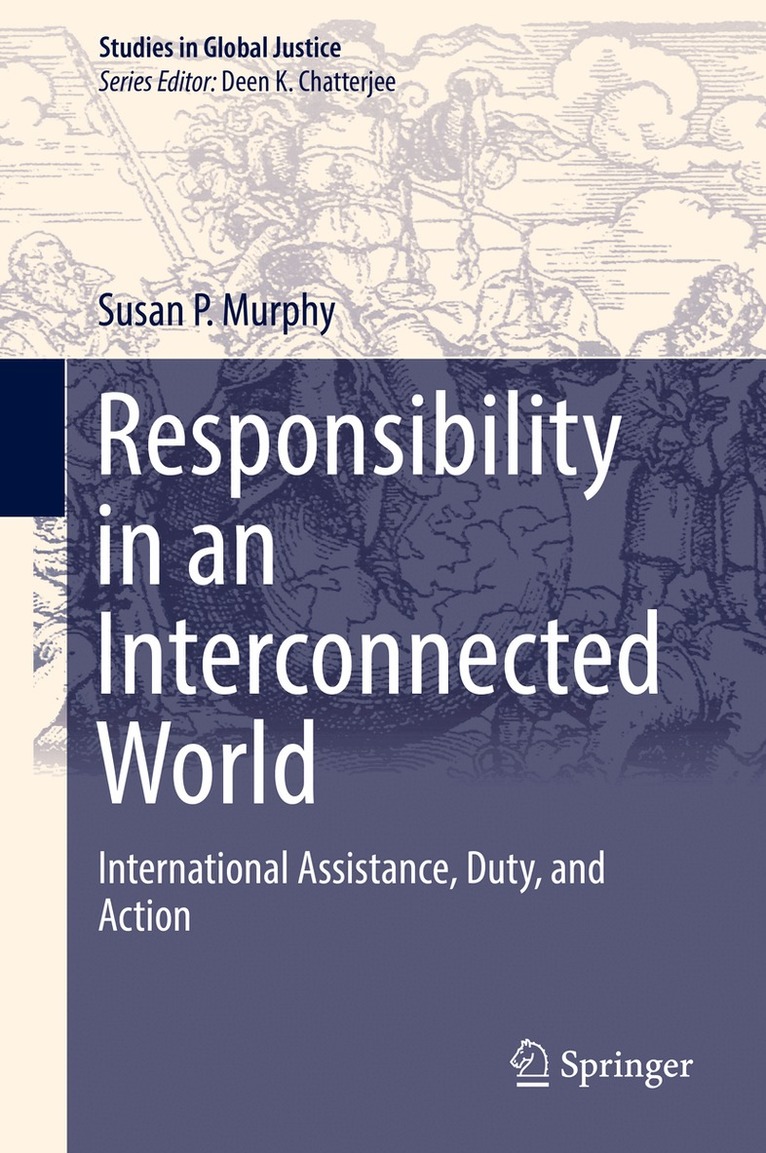
Responsibility in an Interconnected World
International Assistance, Duty, and Action
Häftad, Engelska, 2017
324 kr
Skickas inom 10-15 vardagar
This monograph opens with an examination of the aid industry and the claims of leading practitioners that the industry is experiencing a crisis of confidence due to an absence of clear moral guidelines. The book then undertakes a critical review of the leading philosophical accounts of the duty to aid, including the narrow, instructive accounts in the writings of John Rawls and Peter Singer, and broad, disruptive accounts in the writings of Onora O’Neill and Amartya Sen. Through an elaboration of the elements of interconnection, responsible action, inclusive engagement, and accumulative duties, the comparative approach developed in the book has the potential to overcome the philosophical tensions between the accounts and provide guidance to aid practitioners, donors and recipients in the complex contemporary circumstances of assistance.Informed by real world examples, this book grapples with complex and multi-dimensional questions concerning practices and the ethics of aid. The author judiciously guides us through the debate between deontological and consequentialist moral theories to arrive at a sophisticated consequentialist account that does justice to the complexity of the problems and facilitates our deliberation in discharging our duty to aid, without yielding, as it should not, a determinate answer for each specific situation. Researchers, students, and practitioners of international aid will all find this book rewarding.Win-chiat Lee,Professor and Chair, Department of Philosophy, Wake Forest UniversitySusan Murphy’s book offers us a sophisticated exploration of the philosophical basis for aid. It is grounded in a full understanding of the complexities and pitfalls of the aid industry, but its particular strength lies, mainly through an extensive discussion of Singer, Rawls, O’Neill and Sen, in a comparison of consequentialist and duty-based approaches, eventually endorsing a broad non-idealised, situated consequentialist account in what she calls an interconnected ethical approach to the practice of assistance. For anyone wanting to think carefully about why we should give aid, this book has much to offer.Dr Nigel DowerHonorary Senior Lecturer, University of Aberdeen Author of World Ethics – the New Agenda (2007)