Susan S. Johnston – författare
Visar alla böcker från författaren Susan S. Johnston. Handla med fri frakt och snabb leverans.
2 produkter
2 produkter
632 kr
Skickas inom 7-10 vardagar
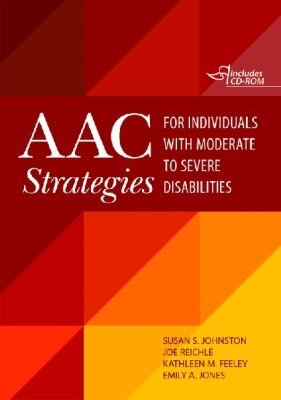
With more children and young adults with severe disabilities in today's general education classrooms, SLPs and other professionals must be ready to support their students' communication skills with effective AAC. They'll get the proven strategies they need with this intervention guide from top AAC experts, ideal for use as an in-service professional development resource or a highly practical text students will keep and use long after class is over.Essential for SLPs, OTs, PTs, educators, and other professionals in school settings, this book helps readers establish a beginning functional communicative repertoire for learners with severe disabilities. Professionals will start with an in-depth intervention framework, including a guide to AAC modes and technologies, variables to consider when selecting AAC, and how AAC research can be used to support practice. Then they'll get explicit, evidence-based instructional strategies they'll use to help children and young adults.
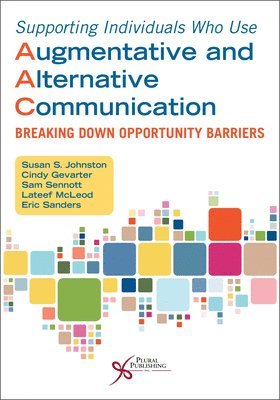
Supporting Individuals Who Use Augmentative and Alternative Communication
Breaking Down Opportunity Barriers
Häftad, Engelska, 2023
1 278 kr
Skickas inom 5-8 vardagar
Individuals with complex communication needs who use Augmentative and Alternative Communication (AAC) frequently encounter barriers that limit their ability to achieve their full potential in communication and in life. These barriers include access barriers (limitations in the current capabilities of the AAC user or the communication systems that they use) as well as opportunity barriers (e.g., policy, practice, knowledge/skill, and attitude barriers that extend beyond the AAC user). It is essential to consider both access and opportunity barriers when designing systems and supports for individuals who use AAC. However, often the emphasis of research and practice is on addressing issues related to access barriers with far less attention to opportunity barriers. Supporting Individuals Who Use Augmentative and Alternative Communication: Breaking Down Opportunity Barriers is the first book to focus specifically on practical strategies for breaking down opportunity barriers experienced by individuals who use AAC. The text is divided into four sections, with each section devoted to a frequently encountered opportunity barrier (knowledge/skill, practice, attitude, and policy). Within each section, readers will (a) develop a deeper understanding of the impact of the barrier through the eyes of individuals who use AAC or their families, (b) acquire knowledge based on current research and recommended practices related to addressing the barrier, and (c) learn how professionals have successfully addressed the barrier via case examples from the field. The final chapter provides readers with information (as well as tools and examples) about how to go "beyond the book" and actively address the unique opportunity barriers they encounter. Key FeaturesIncludes in-depth interviews with individuals who use AAC and their familiesIdentifies evidence-based and promising practices for addressing opportunity barriers Provides tips, tools, and resources for addressing opportunity barriers Illustrates successful strategies for addressing opportunity barriers through case examples and step-by-step guidelines for implementationIncludes contributions from professionals in the field who have successfully addressed opportunity barriers in home, school, workplace, and community settingsWho Should Read This BookThis book is designed to support those who find themselves frustrated by the opportunity barriers experienced by individuals who use AAC and are searching for ways to break down those barriers, including people who rely on AAC, speech-language pathologists, special education teachers, occupational therapists, physical therapists, family members, university students, faculty in higher education, and other professionals in school, healthcare, and community settings.