Susan Slyomovics – författare
953 kr
Skickas inom 10-15 vardagar
322 kr
Skickas inom 5-8 vardagar
458 kr
Skickas inom 10-15 vardagar
1 350 kr
Skickas inom 10-15 vardagar
2 336 kr
Skickas inom 10-15 vardagar
866 kr
Skickas inom 10-15 vardagar
553 kr
Läs direkt efter köp
509 kr
Läs direkt efter köp
382 kr
Skickas inom 10-15 vardagar
382 kr
Skickas inom 10-15 vardagar
382 kr
Skickas inom 10-15 vardagar
352 kr
Skickas inom 10-15 vardagar
992 kr
Läs direkt efter köp
992 kr
Läs direkt efter köp
690 kr
Läs direkt efter köp
690 kr
Läs direkt efter köp
538 kr
Läs direkt efter köp
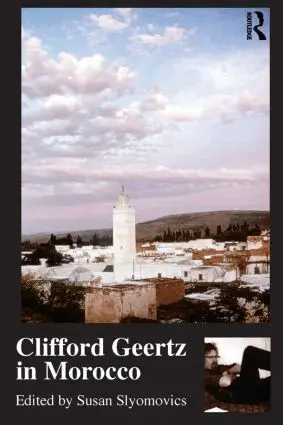
Between 1963 and 1986, eminent American anthropologists Clifford and Hildred Geertz - together and alone - conducted ethnographic fieldwork for varying periods in Sefrou, a town situated in north-central Morocco, south of Fez. This book considers Geertz’s contributions to sociocultural theory and symbolic anthropology.
Clifford Geertz made an immense impact on the American academy: his interpretative and symbolic approaches reoriented anthropology analytically away from classic social science presuppositions, while his publications profoundly influenced both North American and Maghribi researchers alike. After his death at the age of 80 on October 30, 2006, scholars from local, national, and international universities gathered at the University of California, Los Angeles, to analyze his contributions to sociocultural theory and symbolic anthropology in relation to Islam; ideas of the sacred; Morocco’s cityscapes (notably Sefrou’s bazaar or suq); colonialism and post-independence economic development; gender, and political structures at the household and village levels.
This book looks back to a specific era of American anthropology beginning in the 1960s as it unfolded in Morocco; and at the same time, the contributions examine new lines of enquiry that opened up after key texts by Geertz were translated into French and introduced to generations of francophone Maghribi researchers who sustain lively and inventive meditations on his Morocco writings.
This book was published as a special issue of Journal of North African Studies.
538 kr
Läs direkt efter köp
Between 1963 and 1986, eminent American anthropologists Clifford and Hildred Geertz - together and alone - conducted ethnographic fieldwork for varying periods in Sefrou, a town situated in north-central Morocco, south of Fez. This book considers Geertz’s contributions to sociocultural theory and symbolic anthropology.
Clifford Geertz made an immense impact on the American academy: his interpretative and symbolic approaches reoriented anthropology analytically away from classic social science presuppositions, while his publications profoundly influenced both North American and Maghribi researchers alike. After his death at the age of 80 on October 30, 2006, scholars from local, national, and international universities gathered at the University of California, Los Angeles, to analyze his contributions to sociocultural theory and symbolic anthropology in relation to Islam; ideas of the sacred; Morocco’s cityscapes (notably Sefrou’s bazaar or suq); colonialism and post-independence economic development; gender, and political structures at the household and village levels.
This book looks back to a specific era of American anthropology beginning in the 1960s as it unfolded in Morocco; and at the same time, the contributions examine new lines of enquiry that opened up after key texts by Geertz were translated into French and introduced to generations of francophone Maghribi researchers who sustain lively and inventive meditations on his Morocco writings.
This book was published as a special issue of Journal of North African Studies.
1 331 kr
Skickas inom 7-10 vardagar
404 kr
Skickas inom 7-10 vardagar
1 589 kr
Skickas inom 5-8 vardagar
388 kr
Skickas inom 5-8 vardagar
450 kr
Läs direkt efter köp
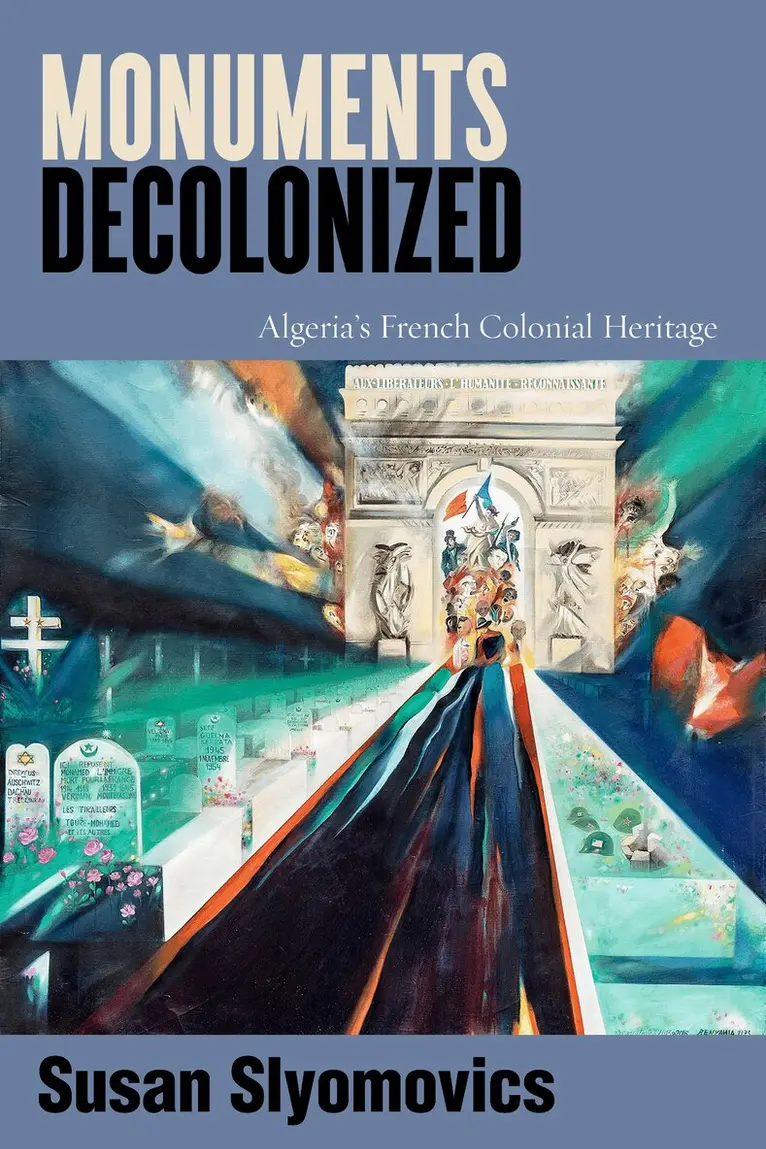
"Statuomania" overtook Algeria beginning in the nineteenth century as the French affinity for monuments placed thousands of war memorials across the French colony. But following Algeria''s hard-fought independence in 1962, these monuments took on different meaning and some were "repatriated" to France, legally or clandestinely. Today, in both Algeria and France, people are moving and removing, vandalizing and preserving this contested, yet shared monumental heritage.
Susan Slyomovics follows the afterlives of French-built war memorials in Algeria and those taken to France. Drawing on extensive fieldwork in both countries and interviews with French and Algerian heritage actors and artists, she analyzes the colonial nostalgia, dissonant heritage, and ongoing decolonization and iconoclasm of these works of art. Monuments emerge here as objects with a soul, offering visual records of the colonized Algerian native, the European settler colonizer, and the contemporary efforts to engage with a dark colonial past. Richly illustrated with more than 100 color images, Monuments Decolonized offers a fresh aesthetic take on the increasingly global move to fell monuments that celebrate settler colonial histories.
2 339 kr
Skickas inom 10-15 vardagar
586 kr
Skickas inom 10-15 vardagar
174 kr
Läs direkt efter köp
244 kr
Skickas inom 7-10 vardagar