
Susan Visvanathan – författare
Visar alla böcker från författaren . Handla med fri frakt och snabb leverans.
9 produkter
9 produkter
E-bok
Engelska, 201455 kr
Läs direkt efter köp
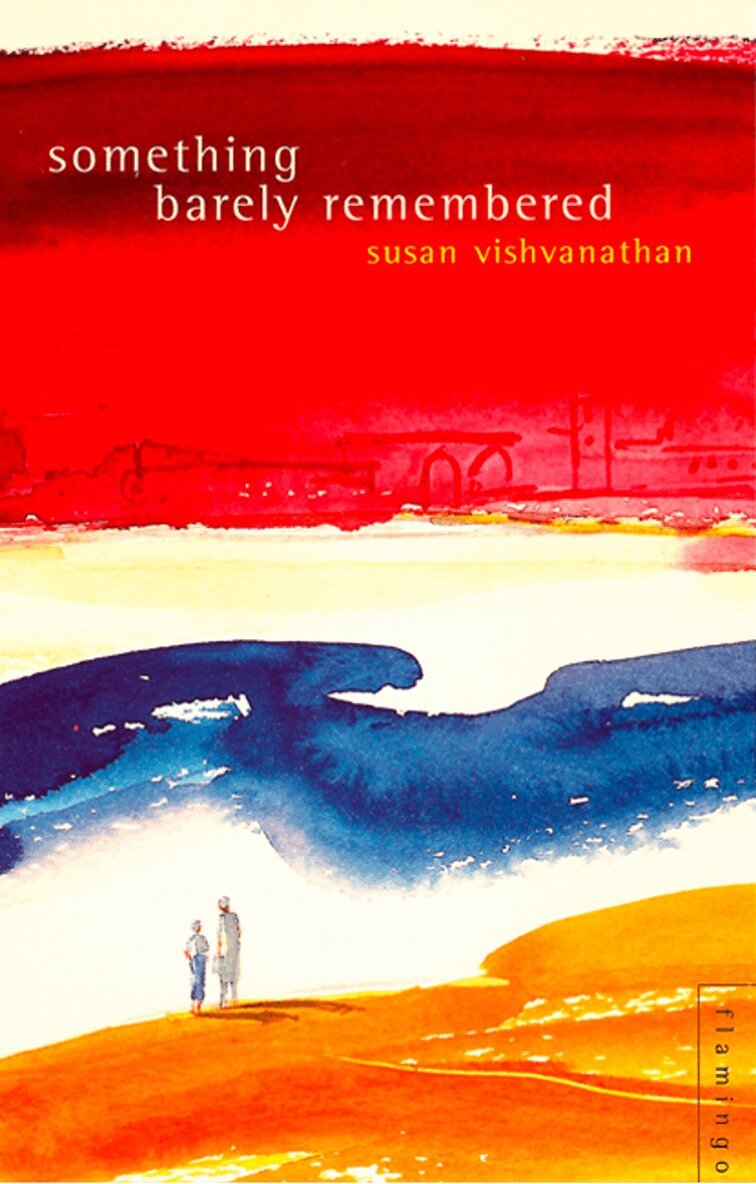
Exquisite Indian short storiesLukose is ready to follow in his grandfather’s footsteps and enter the priesthood; Anna’s parents are drowned as they make their way to a wedding by boat and she must now go and live with her uncle and his Italian wife in Rome; Chako, a doctor, meets a sad little girl whose mother has run away, and then, many years later, he encounters the mother at a party but cannot bear to share with her his knowledge of her daughter.These fifteen stories give us sharp, acute fragments of Indian lives, all linked by family or friendship, or just sheer coincidence, and give us a poignant reminder of how even the smallest event can cause the greatest effect. Beautifully crafted, written with great feeling, this story collection marks the debut of a new and original voice.
E-bok
Engelska, 2012114 kr
Läs direkt efter köp
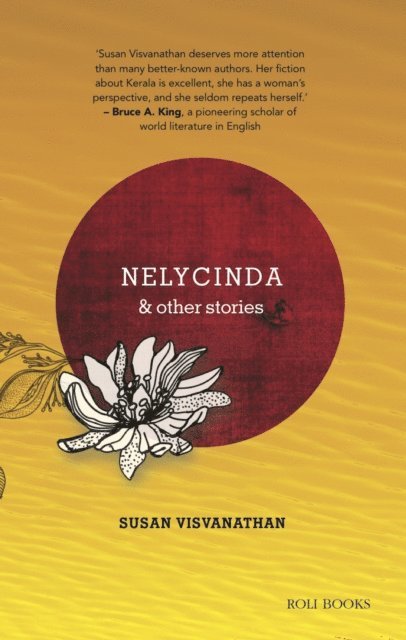
A collection of fourteen stories, Nelycinda & other stories, presents a woman's perspective of society thriving on trade and business. Lyrical and poignant, these stories take us to a world infested with the aroma of spices. The world was always opaque and something about the nearness of the sea made it more so. Susa began her day with the smallness of things, sea sand, which appeared as dull as the day, and the colours in the translucent shells, each catching the first light of the morning. How curious that the sand and salt and the ambitions of the sea creatures could create these colours. She walked to the seaside, wishing that the fisher people were about, but they had dived for pearls earlier than was usual that morning because of the impending storm. A great silence filled the ocean that brought to her the occasional screech of birds wheeling, and the whorls of the sea shells which produced their own sounds. Prison was a place which enclosed one and brought the world much closer by what one could imagine. It was where silence was the only companion, where the routines of the day allowed one to build a small world based entirely on ones thoughts. It was the shelter of the moment to work with the grandeur of the unseen. Imprisoned by the minutes, and allowed to fly when the tasks were completed. She looked at the beach, for the inlets were full of birds and moss and climbing purple flowers, and that was where she would go. To the river that, in its sureness of the life of the people, would bring her conversations and the calm of everyday tasks.
E-bok
Engelska, 2010104 kr
Läs direkt efter köp
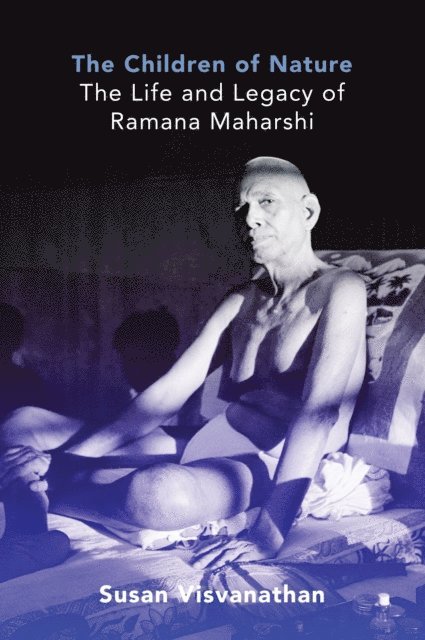
An autobiographical interpretative work, The Children of Nature is an attempt to understand the role of spirituality and its social relevance. Susan Visvanathan also tries to comprehend the volatility of the town of Tiruvannamalai: abode of Ramana Maharshi. Using published material as well as diaries and letters from Sri Ramanasramam, the author uses the method of collage to splice together many moments in telling of history. Battling her own illness, Susan meets people, makes friends and learns that solitude has a grammar which is completely acceptable within community life. Ramanasramam becomes home to her, and a place she associates with a sense of well-being and life. The book tries to explicate the extent to which a person's experience of the divine can be explained by social anthropology. What are the limits of interpretation, how can boundaries of a discipline get extended when its object of study is often a moment of subjective revelation, and how far is it possible to understand the interweaving of the sacred and the profane in the lives of ordinary human beings.
Inbunden, Engelska, 2022
1 200 kr
Skickas inom 5-8 vardagar
E-bok
Engelska, 20221 321 kr
Läs direkt efter köp
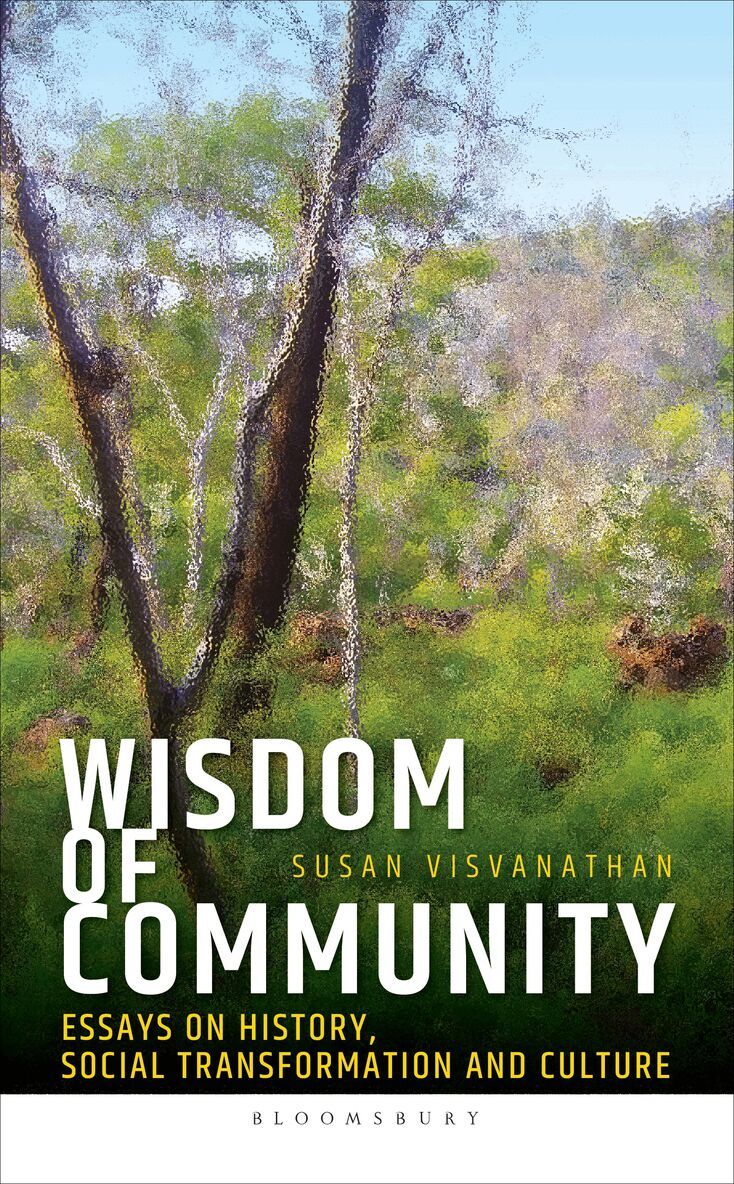
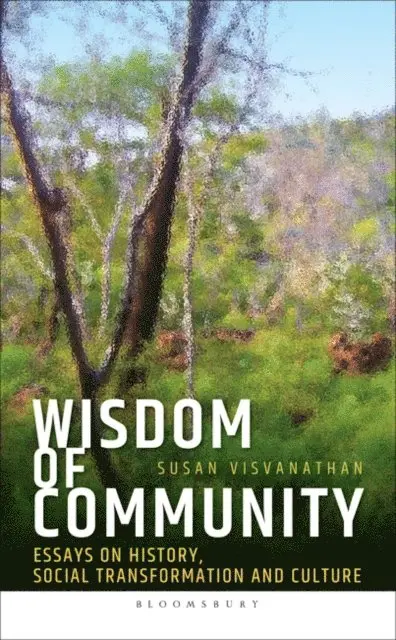
The Wisdom of Community is a compilation of essays which documents the key issues that have been pertinent in national debates in India. In some ways it takes a linear and chronological position on how the past informs us as we proceed with making sense of postmodern fluid society. It tries to understand how affected or influenced we are by colonialism, and the debates which brought us our freedom. It uses biography, symbols and narratives to piece together our engagement with literature, history, myth and legend. It presupposes that the past is contextualised through narrative production. Each essay in this collection is tuned to the greater debates, which continue today in problematized global and cosmopolitan contexts to describe the relation between town and country. The consistent preoccupation is with labour and its intended consequences. Here, climate change, law court trials and constructing parallel histories which have influenced us are drawn to tell the reader that learning from history is essential for our survival. Readers will see that the world always appears in the spaces that are produced by travel, by terror, freedom, conquest and adaptation. The coexistence of all these across history, allows for the warp and weft of narrative production to be evident as analysable and comprehensive. The reader enters this frame of interlocking essays in order to understand how significant the production of stories are, and how we may find similarities in our condition across time and space.The book consists of 12 essays which are arranged in a way that the essential problems are made evident as questions of occupation, survival, and translation of world views. It brings the world closer, just as in reality it seems to be receding, because we are afraid of what we see, and know. The method is called Learning from History. The Wisdom of Community brings to the reader the interlacing of archival, fieldwork and literary materials in order to bring to the reader the constants that inform our lives, while recognizing the past as ever-present. The essays in this collection span a period of thirty years, and were earlier published as essays in popular journals and magazines and newspapers, but also include some scholarly articles. They are divided into essays on travel, feminism, as well as activist, literary, and analytical essays. The reader will find in them the insights of three decades spanning the years of teaching and writing while living in Delhi. The link connecting these essays is time and memory, as well as the belief that we can learn from the past. The “circulation of ideas” appears as a dominant theme, in all the essays, along with the emphases on agency, and the celebration of the right to choice and the articulation of human will, since the themes of democracy and freedom are common to all.
E-bok
Engelska, 20221 405 kr
Läs direkt efter köp
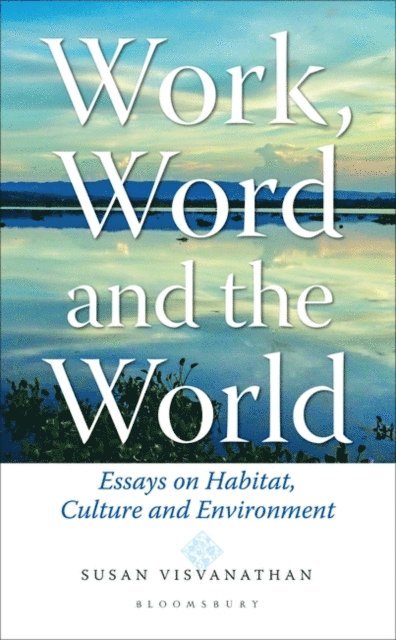
Word, Work and the World begins with the assumption that people are interested in the world around them. The book is written with the intent of drawing in lay and specialised readers into the interdisciplinary world of Sociology/Social Anthropology. The methods of both, since the 1960s, has been seen as combined for the reasons that the dichotomy of tribal/ peasant in relation to urban conglomerations is thought to be immensely interesting to the reading public. Migration for work is so significant, whether within the country or outside, that the dilemmas and concerns of the diaspora are always interesting data. Put simply, the book tries to bring forward the living practices of communities which are interlocked in time and space, where work and their cultures become intermeshed in different ways. Of course cyberspace becomes the common denominator in understanding that people are interested in one another, families and friends become interactive over spans of time which allow a certain intimacy of acknowledgement. Economic practices are also embedded in the hinterland of communication. As the world becomes increasingly vulnerable to climate change, organic farming, the search for water, the protection of lands and people from floods, are all real indexes of how urgent the task of recording people''s life worlds has become. Narrative production, and its interpretation draws us into the complexities of the ethnographic present, which as a type of documentation provides resource materials to historians. Since the world is now so encompassable, the book explores how human being remember the past, while creating new niches for the survival of their families and communities. Hybridization of cultures also involves familiarity with world literature, because people enjoy the expanse of imagination into which they are released by reading time honoured texts, whether of the ancient past, or of contemporary time. The time of legend, of fable, of coercive patterns of existence arising out of natural or political calamities, makes them ever more respectful of traditions and the hope for survival. Out of war and loss arise both science and poetry, not necessarily opposed to one another.This book tries to bring to the reader the pleasures of many cultures in conversation with one another, where dissonances may be accommodated.
E-bok
PDF, Engelska, 20221 321 kr
Läs direkt efter köp
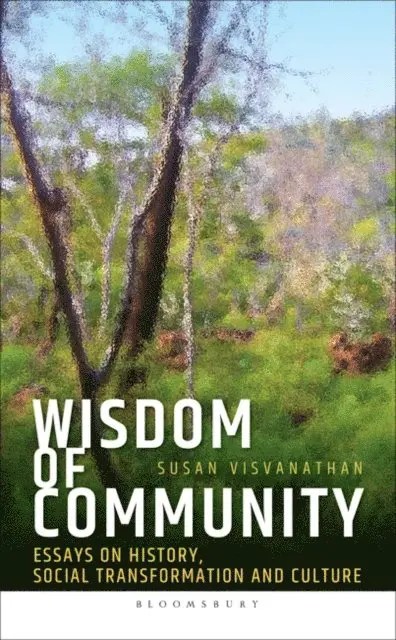
The Wisdom of Community is a compilation of essays which documents the key issues that have been pertinent in national debates in India. In some ways it takes a linear and chronological position on how the past informs us as we proceed with making sense of postmodern fluid society. It tries to understand how affected or influenced we are by colonialism, and the debates which brought us our freedom. It uses biography, symbols and narratives to piece together our engagement with literature, history, myth and legend. It presupposes that the past is contextualised through narrative production. Each essay in this collection is tuned to the greater debates, which continue today in problematized global and cosmopolitan contexts to describe the relation between town and country. The consistent preoccupation is with labour and its intended consequences. Here, climate change, law court trials and constructing parallel histories which have influenced us are drawn to tell the reader that learning from history is essential for our survival. Readers will see that the world always appears in the spaces that are produced by travel, by terror, freedom, conquest and adaptation. The coexistence of all these across history, allows for the warp and weft of narrative production to be evident as analysable and comprehensive. The reader enters this frame of interlocking essays in order to understand how significant the production of stories are, and how we may find similarities in our condition across time and space.The book consists of 12 essays which are arranged in a way that the essential problems are made evident as questions of occupation, survival, and translation of world views. It brings the world closer, just as in reality it seems to be receding, because we are afraid of what we see, and know. The method is called Learning from History. The Wisdom of Community brings to the reader the interlacing of archival, fieldwork and literary materials in order to bring to the reader the constants that inform our lives, while recognizing the past as ever-present. The essays in this collection span a period of thirty years, and were earlier published as essays in popular journals and magazines and newspapers, but also include some scholarly articles. They are divided into essays on travel, feminism, as well as activist, literary, and analytical essays. The reader will find in them the insights of three decades spanning the years of teaching and writing while living in Delhi. The link connecting these essays is time and memory, as well as the belief that we can learn from the past. The “circulation of ideas” appears as a dominant theme, in all the essays, along with the emphases on agency, and the celebration of the right to choice and the articulation of human will, since the themes of democracy and freedom are common to all.
Inbunden, Engelska, 2022
1 276 kr
Skickas inom 5-8 vardagar
E-bok
PDF, Engelska, 20221 405 kr
Läs direkt efter köp
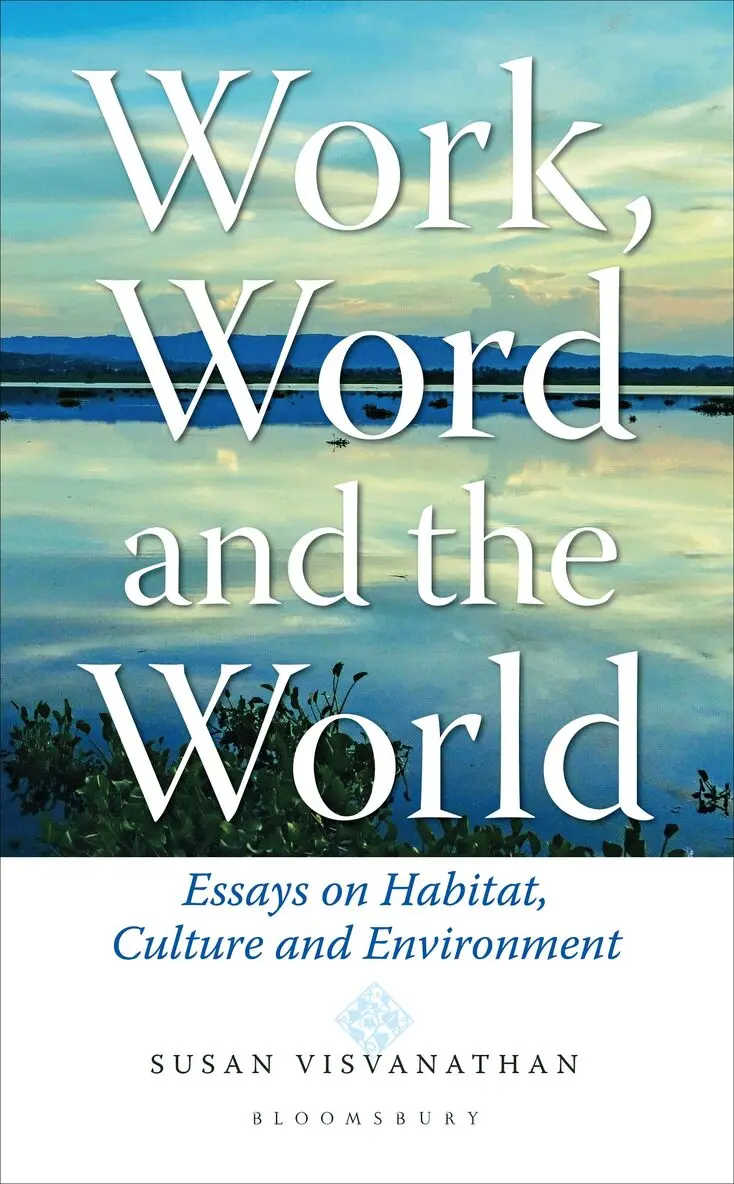
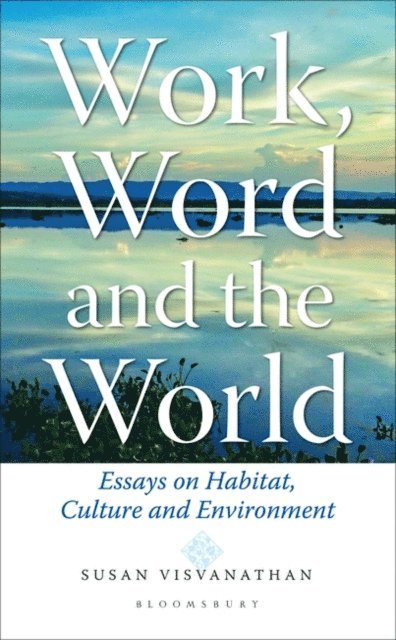
Word, Work and the World begins with the assumption that people are interested in the world around them. The book is written with the intent of drawing in lay and specialised readers into the interdisciplinary world of Sociology/Social Anthropology. The methods of both, since the 1960s, has been seen as combined for the reasons that the dichotomy of tribal/ peasant in relation to urban conglomerations is thought to be immensely interesting to the reading public. Migration for work is so significant, whether within the country or outside, that the dilemmas and concerns of the diaspora are always interesting data. Put simply, the book tries to bring forward the living practices of communities which are interlocked in time and space, where work and their cultures become intermeshed in different ways. Of course cyberspace becomes the common denominator in understanding that people are interested in one another, families and friends become interactive over spans of time which allow a certain intimacy of acknowledgement. Economic practices are also embedded in the hinterland of communication. As the world becomes increasingly vulnerable to climate change, organic farming, the search for water, the protection of lands and people from floods, are all real indexes of how urgent the task of recording people''s life worlds has become. Narrative production, and its interpretation draws us into the complexities of the ethnographic present, which as a type of documentation provides resource materials to historians. Since the world is now so encompassable, the book explores how human being remember the past, while creating new niches for the survival of their families and communities. Hybridization of cultures also involves familiarity with world literature, because people enjoy the expanse of imagination into which they are released by reading time honoured texts, whether of the ancient past, or of contemporary time. The time of legend, of fable, of coercive patterns of existence arising out of natural or political calamities, makes them ever more respectful of traditions and the hope for survival. Out of war and loss arise both science and poetry, not necessarily opposed to one another.This book tries to bring to the reader the pleasures of many cultures in conversation with one another, where dissonances may be accommodated.