Susana Barnes - Böcker
Visar alla böcker från författaren Susana Barnes. Handla med fri frakt och snabb leverans.
4 produkter
4 produkter
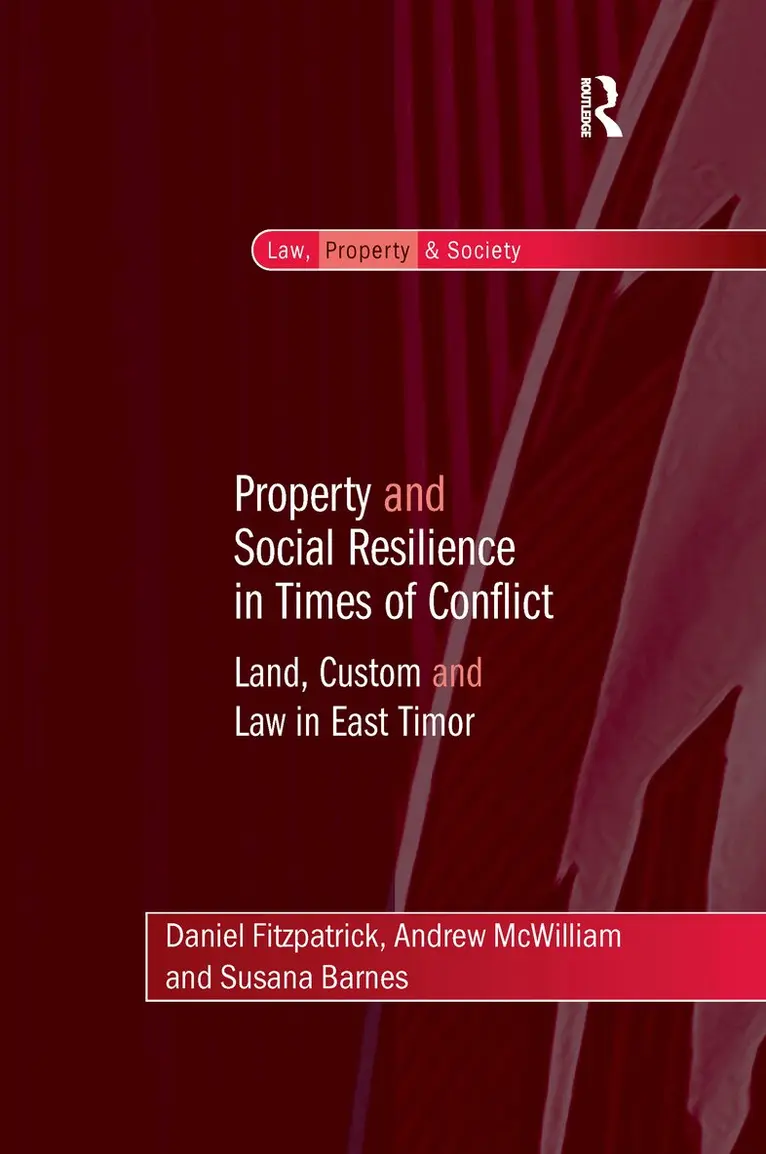
Property and Social Resilience in Times of Conflict
Land, Custom and Law in East Timor
Häftad, Engelska, 2016
692 kr
Skickas inom 10-15 vardagar
Peace-building in a number of contemporary contexts involves fragile states, influential customary systems and histories of land conflict arising from mass population displacement. This book is a timely response to the increased international focus on peace-building problems arising from population displacement and post-conflict state fragility. It considers the relationship between property and resilient customary systems in conflict-affected East Timor. The chapters include micro-studies of customary land and population displacement during the periods of Portuguese colonization and Indonesian military occupation. There is also analysis of the development of laws relating to customary land in independent East Timor (Timor Leste). The book fills a gap in socio-legal literature on property, custom and peace-building and is of interest to property scholars, anthropologists, and academics and practitioners in the emerging field of peace and conflict studies.
Property and Social Resilience in Times of Conflict
Land, Custom and Law in East Timor
Inbunden, Engelska, 2013
1 982 kr
Skickas inom 10-15 vardagar
Peace-building in a number of contemporary contexts involves fragile states, influential customary systems and histories of land conflict arising from mass population displacement. This book is a timely response to the increased international focus on peace-building problems arising from population displacement and post-conflict state fragility. It considers the relationship between property and resilient customary systems in conflict-affected East Timor. The chapters include micro-studies of customary land and population displacement during the periods of Portuguese colonization and Indonesian military occupation. There is also analysis of the development of laws relating to customary land in independent East Timor (Timor Leste). The book fills a gap in socio-legal literature on property, custom and peace-building and is of interest to property scholars, anthropologists, and academics and practitioners in the emerging field of peace and conflict studies.
928 kr
Skickas inom 7-10 vardagar
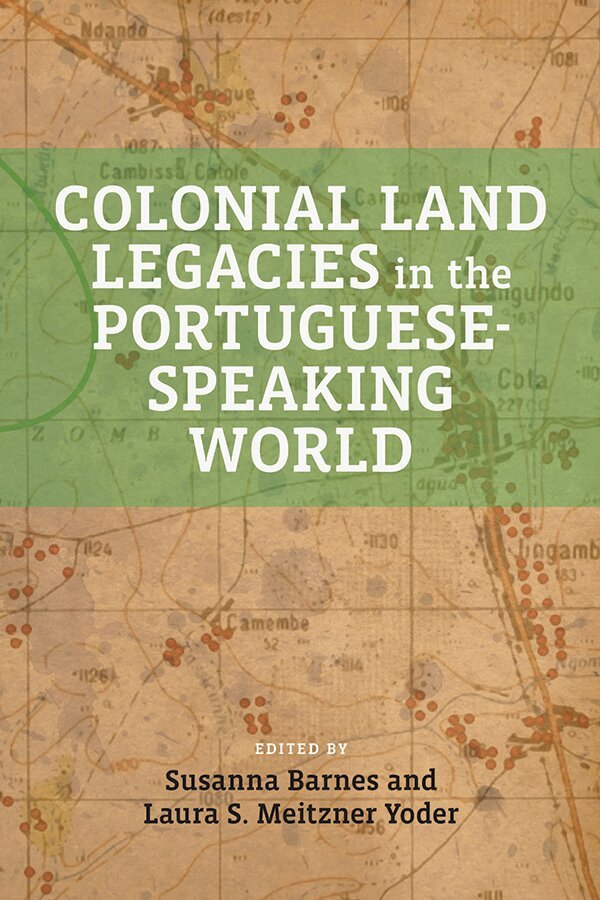
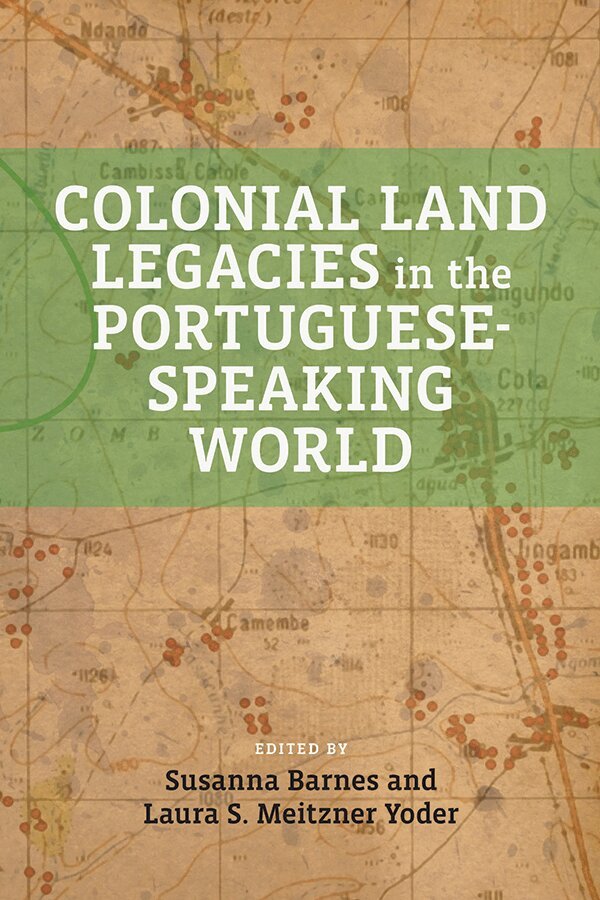
Colonial Land Legacies in the Portuguese-Speaking World presents a comparative exploration of the enduring impacts of Portuguese colonial land governance in Portugal and across five former Portuguese colonies: Brazil, Angola, Mozambique, Flores, and Portuguese Timor. Through ethnographic, historical, and legal analyses, the book investigates how colonial land policies and interventions were not simply implemented and forgotten but have shaped contemporary land access, governance, and socio-economic structures in profound ways. Portuguese colonialism was shaped by shifting political and economic priorities. From trading routes to plantation economies and extractive industries, land became central to Portuguese colonial interests. Colonial Land Legacies in the Portuguese-Speaking World investigates the bureaucratic mechanisms employed by Portuguese authorities to regulate land, highlighting how these systems were frequently manipulated by elites to consolidate power and control over resources. It explores Indigenous-settler entanglements, illustrating how colonial land policies interacted with local governance systems, leading to contested and hybrid forms of land control shaped by both resistance and adaptation. Finally, it focuses on the global capitalist motivations driving land policies, particularly the use of large-scale concessions for plantations, and how these practices continue to shape contemporary land ownership and economic inequalities in post-colonial contexts. Colonial Land Legacies in the Portuguese-Speaking World is a critical and comparative analysis of colonial land governance and its afterlives. It highlights how these legacies continue to shape contemporary struggles over land, making it essential to address them in the pursuit of more equitable land governance. Through its case studies, the book contributes to broader discussions on the relationships between land, power, and colonialism, offering insights into the ongoing challenges of land policy and practice in post-colonial contexts.
481 kr
Skickas inom 7-10 vardagar
Colonial Land Legacies in the Portuguese-Speaking World presents a comparative exploration of the enduring impacts of Portuguese colonial land governance in Portugal and across five former Portuguese colonies: Brazil, Angola, Mozambique, Flores, and Portuguese Timor. Through ethnographic, historical, and legal analyses, the book investigates how colonial land policies and interventions were not simply implemented and forgotten but have shaped contemporary land access, governance, and socio-economic structures in profound ways. Portuguese colonialism was shaped by shifting political and economic priorities. From trading routes to plantation economies and extractive industries, land became central to Portuguese colonial interests. Colonial Land Legacies in the Portuguese-Speaking World investigates the bureaucratic mechanisms employed by Portuguese authorities to regulate land, highlighting how these systems were frequently manipulated by elites to consolidate power and control over resources. It explores Indigenous-settler entanglements, illustrating how colonial land policies interacted with local governance systems, leading to contested and hybrid forms of land control shaped by both resistance and adaptation. Finally, it focuses on the global capitalist motivations driving land policies, particularly the use of large-scale concessions for plantations, and how these practices continue to shape contemporary land ownership and economic inequalities in post-colonial contexts. Colonial Land Legacies in the Portuguese-Speaking World is a critical and comparative analysis of colonial land governance and its afterlives. It highlights how these legacies continue to shape contemporary struggles over land, making it essential to address them in the pursuit of more equitable land governance. Through its case studies, the book contributes to broader discussions on the relationships between land, power, and colonialism, offering insights into the ongoing challenges of land policy and practice in post-colonial contexts.