Susana Rotker – författare
Visar alla böcker från författaren Susana Rotker. Handla med fri frakt och snabb leverans.
4 produkter
4 produkter
Häftad, Engelska, 1999
234 kr
Skickas inom 5-8 vardagar
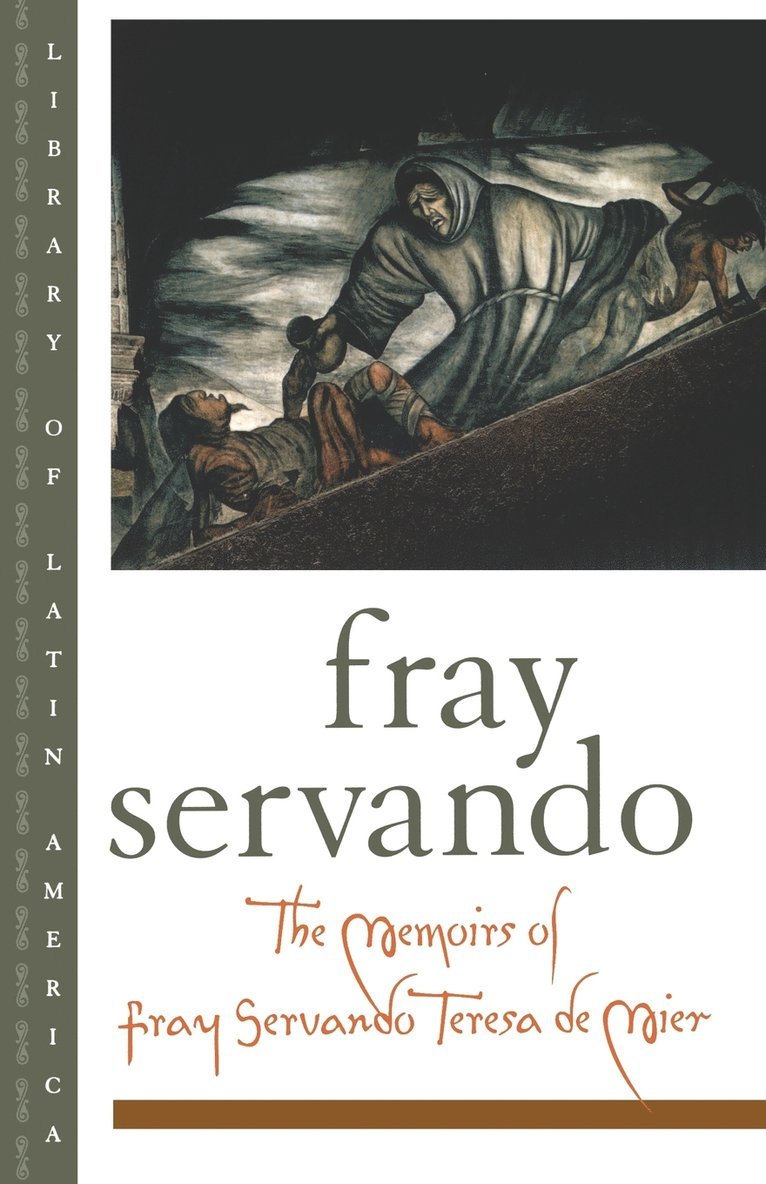
The story of Fray Servando's life in exile is a vivid account of the adventures of one of the most original ideologues of Latin American independence. On December 12, 1794, Fray Servando preached a sermon in Mexico City claiming that the Indies had been converted by St. Thomas long before the Spaniards arrived. This was a subversive and controversial notion because it took away the rationale for the Spanish conquest of the New World - the conversion of the heathen. Colonial authorities arrested him and he was exiled to Spain where he was imprisoned by his own Dominican order. Servando escaped and spent 10 years in exile travelling throughout Europe disguised as a French priest, issuing revolutionary manifestos and sermons. He returned to Mexico after Independence and served the new government before his death. This is the only English translation of The Memoirs of Fray Servando Teresa de Mier available.
E-bok
PDF, Engelska, 1998114 kr
Läs direkt efter köp
On December 12, 1794, Fray Servando Teresa de Mier preached a sermon in Mexico City that led to his arrest by the Inquisition. He was exiled to Spain--only to escape and spend ten years traveling throughout Europe, as none other than a French priest. So began the grand adventure of Fray Servando''s life, and of this gripping memoir. Here is an invitation hard for any reader to resist: a glimpse of the European "Age of Enlightenment" through the eyes of a fugitive Mexican friar. In this memoir, one sees a portrait of manners and morals that is a far cry from the "civilized" spirit that the Empire wanted to impose on its Colonies. This book takes a look at history from an upside down perspective, asking this question: who were the real savages, the colonizers themselves, or the supposed "savages" they were struggling to convert? After ten years, Fray Servando finally returned home to an independent Mexico, where he served the new government before his death. Heretic and rebel, fugitive and visionary, character in a novel and father of his country--Fray Servando Teresa de Mier was all of these things. Translated into English for the first time, this memoir truly captures the passionate spirit of a fantastic man.
E-bok
Engelska, 1998114 kr
Läs direkt efter köp
On December 12, 1794, Fray Servando Teresa de Mier preached a sermon in Mexico City that led to his arrest by the Inquisition. He was exiled to Spain--only to escape and spend ten years traveling throughout Europe, as none other than a French priest. So began the grand adventure of Fray Servando''s life, and of this gripping memoir. Here is an invitation hard for any reader to resist: a glimpse of the European "Age of Enlightenment" through the eyes of a fugitive Mexican friar. In this memoir, one sees a portrait of manners and morals that is a far cry from the "civilized" spirit that the Empire wanted to impose on its Colonies. This book takes a look at history from an upside down perspective, asking this question: who were the real savages, the colonizers themselves, or the supposed "savages" they were struggling to convert? After ten years, Fray Servando finally returned home to an independent Mexico, where he served the new government before his death. Heretic and rebel, fugitive and visionary, character in a novel and father of his country--Fray Servando Teresa de Mier was all of these things. Translated into English for the first time, this memoir truly captures the passionate spirit of a fantastic man.
Häftad, Engelska, 2002
289 kr
Skickas inom 5-8 vardagar
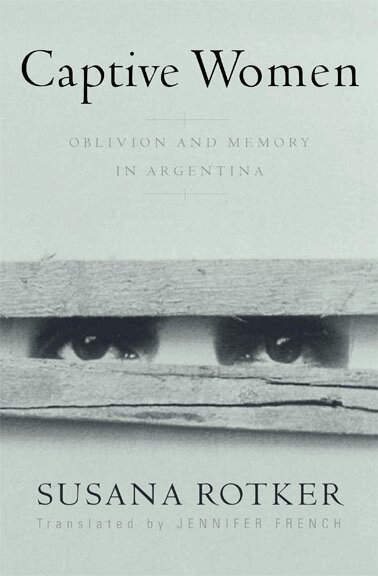
An exposÉ of Argentina’s attempts to whitewash its national history.Argentina is the only country in the Americas that has successfully erased the presence of Indians, Africans, and mestizos from its national story. Official documents, reports, and censuses have largely omitted any references to the country’s non-European inhabitants, mirroring official policies that once included the extermination of indigenous peoples and continued to encourage Europeanization well into the twentieth century. In Captive Women, Susana Rotker exposes this concerted act of forgetting by looking at a historical phenomenon that has been expunged from the national record: the widespread kidnapping of white women by Argentine Indians in the nineteenth century. Captivity narratives form a major part of the early colonial literature of the United States, but Argentina has no such tradition. These narratives contradict Argentina’s carefully shaped self-image, one historically based on the absence of aboriginal peoples and the impossibility of miscegenation. Captive Women uses close and imaginative readings of military documents, government treaties, travel journals, essays, and memoirs to explore the foundations of Argentina's strategies of silence and its negation of uncomfortable historical realities.