Susanna Siegel – författare
Visar alla böcker från författaren Susanna Siegel. Handla med fri frakt och snabb leverans.
8 produkter
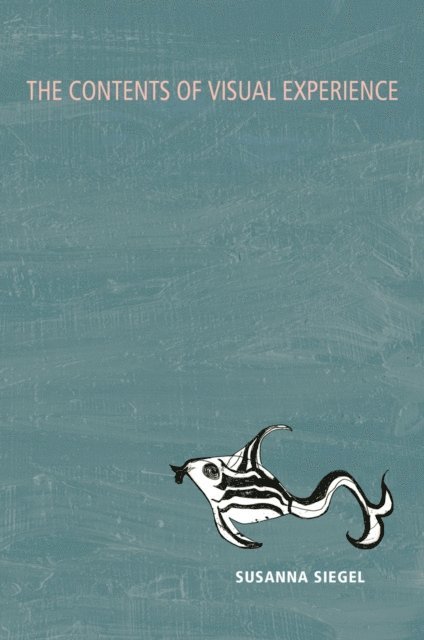
Contents of Visual Experience
E-bok, 2011
505 kr
Lägg i varukorg
What do we see? We are visually conscious of colors and shapes, but are we also visually conscious of complex properties such as being John Malkovich? In this book, Susanna Siegel develops a framework for understanding the contents of visual experience, and argues that these contents involve all …
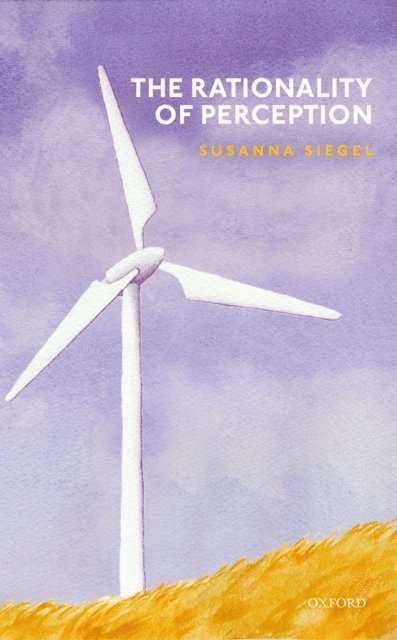
Rationality of Perception
E-bok, 2016
385 kr
Lägg i varukorg
On a traditional conception of the human mind, reasoning can be rational or irrational, but perception cannot. Perception is simply a source of new information, and cannot be assessed for rationality or justification. Susanna Siegel argues that this conception is wrong. Drawing on examples …
Rationality of Perception
E-bok, 2016
385 kr
Lägg i varukorg
On a traditional conception of the human mind, reasoning can be rational or irrational, but perception cannot. Perception is simply a source of new information, and cannot be assessed for rationality or justification. Susanna Siegel argues that this conception is wrong. Drawing on examples …
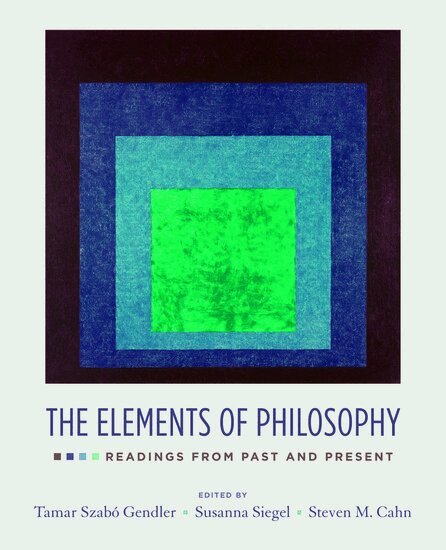
The Elements of Philosophy
Readings from Past and Present
Av Tamar Szabo Gendler, Susanna Siegel m. fl.
Häftad, 2008
1904 kr
Lägg i varukorg
The Elements of Philosophy: Readings from Past and Present is a comprehensive collection of historical and contemporary readings across the major fields of philosophy. With depth and quality, this introductory anthology offers a selection of readings that is both extensive and expansive; the …
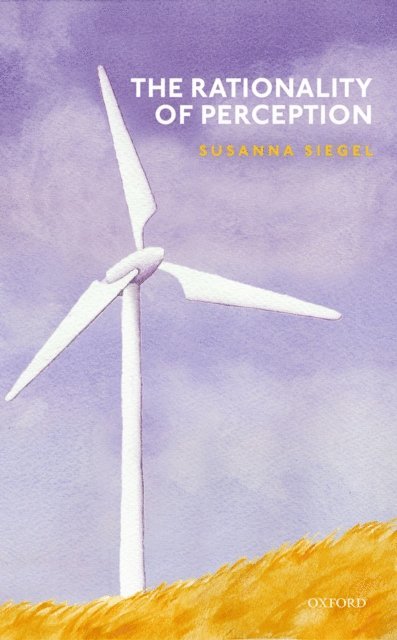
The Rationality of Perception
Inbunden, 2017
1176 kr
Lägg i varukorg
On a traditional conception of the human mind,reasoning can be rational or irrational, but perception cannot. Perception is simply a source of new information, and cannot be assessed for rationality or justification. Susanna Siegel argues that this conception is wrong. Drawing on examples involving …
The Rationality of Perception
Häftad, 2019
663 kr
Lägg i varukorg
On a traditional conception of the human mind, reasoning can be rational or irrational, but perception cannot. Perception is simply a source of new information, and cannot be assessed for rationality or justification. Susanna Siegel argues that this conception is wrong. Drawing on examples …
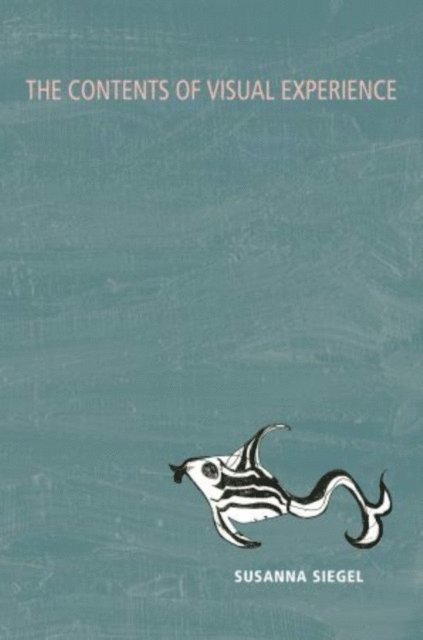
Contents of Visual Experience
E-bok, 2011
505 kr
Lägg i varukorg
What do we see? We are visually conscious of colors and shapes, but are we also visually conscious of complex properties such as being John Malkovich? In this book, Susanna Siegel develops a framework for understanding the contents of visual experience, and argues that these contents involve all …
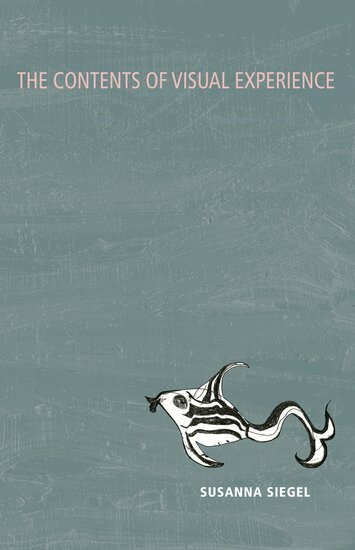
The Contents of Visual Experience
Häftad, 2012
748 kr
Lägg i varukorg
What do we see? We are visually conscious of colors and shapes, but are we also visually conscious of complex properties such as being John Malkovich? In this book, Susanna Siegel develops a framework for understanding the contents of visual experience, and argues that these contents involve all …