Susanna Thomas – författare
Visar alla böcker från författaren Susanna Thomas. Handla med fri frakt och snabb leverans.
9 produkter
9 produkter
Häftad, Engelska
596 kr
Skickas inom 3-6 vardagar
Häftad, Engelska
624 kr
Skickas inom 3-6 vardagar
Häftad, Engelska
624 kr
Skickas inom 3-6 vardagar
E-bok
PDF, Engelska, 2016542 kr
Läs direkt efter köp
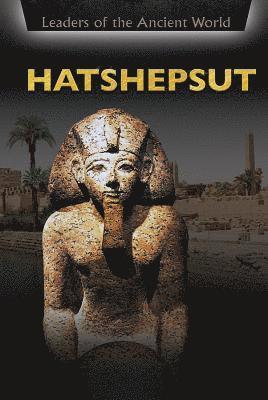
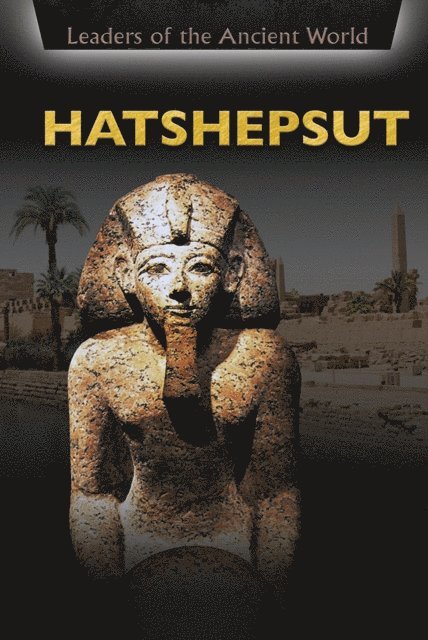
The legacy of ancient Egypt has captivated historians, archaeologists, and the public at large for centuries. This includes the physical relics left behind, primary sources that serve as a window into the lives of the long-gone Egyptians, especially the pharaohs, kings elevated to the status of gods. Among the more intriguing pharaohs was Hatshepsut, perhaps the most powerful woman who led a nation up to that time. The story of how she possibly ruled in the guise of a male pharaoh is explored in this volume via an exploration of the artifacts and sites throughout Egypt that remain to tell her tale.
E-bok
PDF, Engelska, 2016542 kr
Läs direkt efter köp
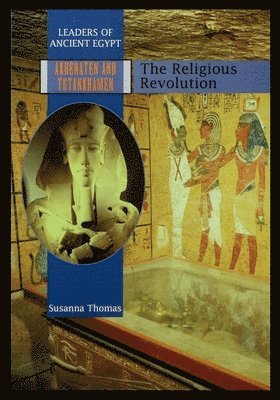
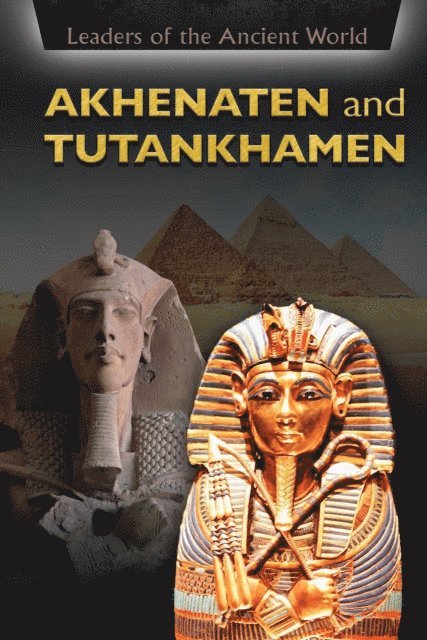
Once Akhenaton came to power in fourteenth-century Egypt, life changed dramatically. He completely reformed the country’s religion, and he replaced the traditional gods with a single god: Aton the sun god. His religious fervor went so far that he changed his own name to Akhenaton, meaning “beneficial to the Aton,” from Amenhotep IV. His people were dissatisfied, and soon after his death, and with the rule of Tutankhamen, the country returned to its traditional deities. Although Tutankhamen is famously known for his lavish tombs, his short rule is also marked by the restoration of art and any temples damaged during Akhenaton’s rule.
E-bok
PDF, Engelska, 2017542 kr
Läs direkt efter köp
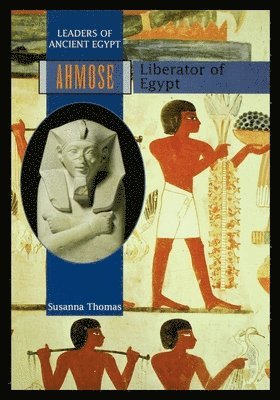
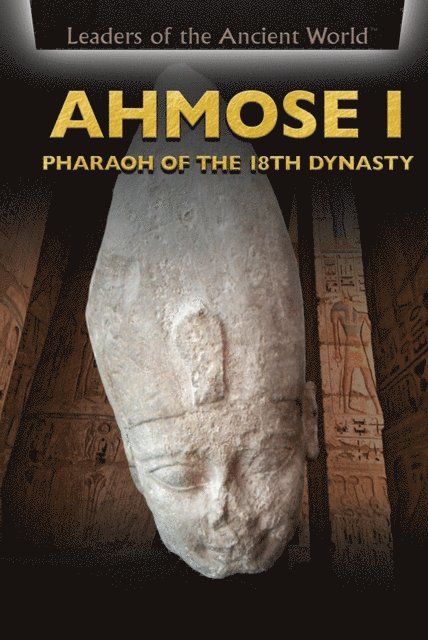
Ahmose I, founder of the New Kingdom, came to a broken Egypt and expanded it to the largest size it would ever reach. Readers will learn about how the familial bonds of the women who eagerly and expertly guided the rulers of Thebes sustained him, as a lineage of war-making young men came of age on the throne. They will make connections between how modernizing and adjusting to a specific enemy enabled the Thebans to take on the previously dominant Hyksos, while thought-provoking sidebars describe topics like why naming is important, and what differentiates the factions that sought power.
E-bok
PDF, Engelska, 2017542 kr
Läs direkt efter köp
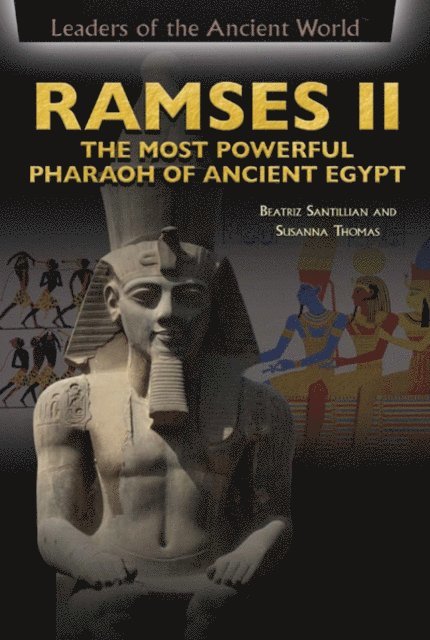
The name Ramses II evokes the epitome of ancient Egypt. But why was he the final ruler of the New Kingdom? And what was it that made him pursue peace when such treaties didn’t exist? The life of Ramses II offers some particularly unique intrigues that appear in his many campaigns throughout the ancient world. Santillian and van Basten offer an expansive account of the many contributions Ramses II offered in his unusually long and active life, including leaving a legacy of being ancient Egypt’s most prolific builder of monuments and temples, as he outlived most of his would-be heirs.
E-bok
PDF, Engelska, 2017542 kr
Läs direkt efter köp
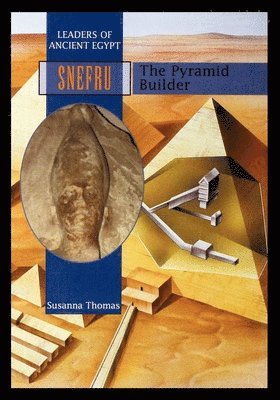
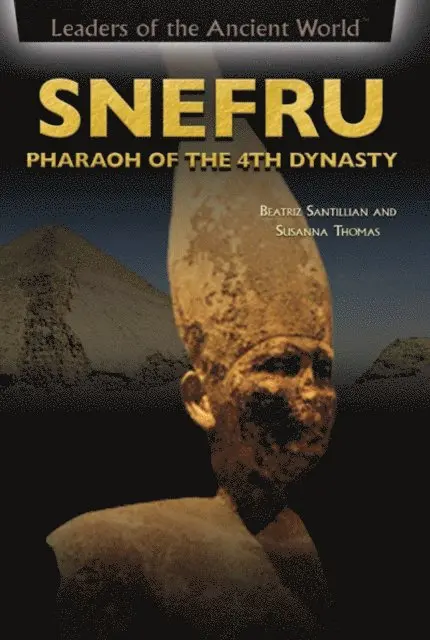
If not for Snefru, the first pharaoh of the Fourth Dynasty, most of the massive pyramids of Egypt would not exist, and no pharaoh would have ever been buried in one. Libya and Nubia would not have become the main sources of the forced labor that built these massive works, and the cattle from those defeated lands wouldn’t have been their sustenance. The story of an Egypt that took what it wanted to build its name is one that Santillian and Thomas graciously bring to young readers.
Häftad, Engelska, 2023
286 kr
Skickas inom 5-8 vardagar
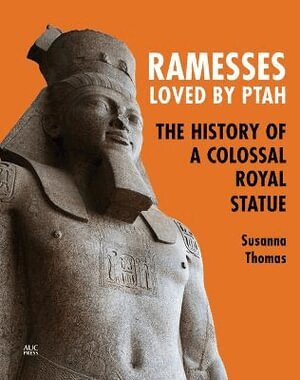
The dramatic story behind the 3,200-year-old colossal Grand Egyptian Museum Ramesses statueKing Ramesses II ruled Egypt for an extraordinary sixty-six years (1279–1213 BC) during the Nineteenth Dynasty. A great warrior and lavish builder, he fathered dozens of children and is widely regarded as the most celebrated and powerful pharaoh of the New Kingdom.This wonderfully clear, engaging book recounts the dramatic history of the famed red granite colossal statue of Ramesses II now residing in Egypt’s Grand Egyptian Museum. One of the biggest statues ever made and part of the urban landscape of modern Cairo, the statue lent its name to Ramses Square and the city's mainline train station, and was so much a symbol of Cairo that it featured in countless Egyptian films. Susanna Thomas recounts the full history of the statue’s creation and installation in the Great Temple of Ptah at Memphis during the reign of Ramesses II, its reuse by Ramesses IV, and the later history of the statue during the Greco-Roman and Islamic Periods. The book also provides an overview of how statues were made in ancient Egypt and includes a brief discussion of the statue cults of Ramesses II, kingship, temples, and the expansion of the New Kingdom capital city of Memphis and its temples. The final section covers the history of the statue since its rediscovery and subsequent rescue in the mid-nineteenth century until its installation in the entrance hall of the Grand Egyptian Museum in Giza.Written by a New Kingdom specialist and curatorial expert and illustrated with over 130 images, Ramesses, Beloved by Ptah tells the fascinating story of this magnificent statue within the wider context of statue cults and the reign of Ramesses II, and its subsequent rescue and restoration in modern times.