Susanne Bach – författare
Visar alla böcker från författaren Susanne Bach. Handla med fri frakt och snabb leverans.
6 produkter
Dark Nights, Bright Lights
Night, Darkness, and Illumination in Literature
Av Susanne Bach, Folkert Degenring
Inbunden, 2015
1962 kr
Lägg i varukorg
No detailed description available for "Dark Nights, Bright Lights".
Dark Nights, Bright Lights
Night, Darkness, and Illumination in Literature
Av Folkert Degenring, Susanne Bach
E-bok, 2015
1941 kr
Lägg i varukorg
Light and darkness shape our perception of the world. This is true in a literal sense, but also metaphorically: in theology, philosophy, literature and the arts the light of day signifies life, safety, knowledge and all that is good, while the darkness of the night suggests death, danger, ignorance …
Dark Nights, Bright Lights
Night, Darkness, and Illumination in Literature
Av Folkert Degenring, Susanne Bach
E-bok, 2015
1984 kr
Lägg i varukorg
Light and darkness shape our perception of the world. This is true in a literal sense, but also metaphorically: in theology, philosophy, literature and the arts the light of day signifies life, safety, knowledge and all that is good, while the darkness of the night suggests death, danger, ignorance …
Dark Nights, Bright Lights
Night, Darkness, and Illumination in Literature
Av Susanne Bach, Folkert Degenring
Häftad, 2017
313 kr
Lägg i varukorg
No detailed description available for "Dark Nights, Bright Lights".
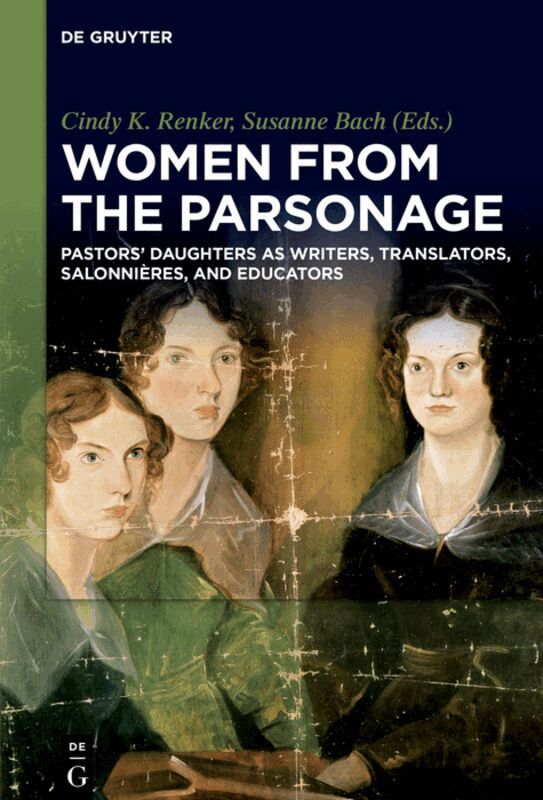
Women from the Parsonage
Pastors’ Daughters as Writers, Translators, Salonnières, and Educators
Av Cindy K. Renker, Susanne Bach
Inbunden, 2019
1900 kr
Lägg i varukorg
This volume provides a new context for women’s writing from the seventeenth through the end of the nineteenth century, highlighting the significant role of the parsonage and the parson himself for women’s education in those centuries. Cindy K. Renker and Susanne Bach's collection of essays is the …
Women from the Parsonage
Pastors’ Daughters as Writers, Translators, Salonnières, and Educators
Av Susanne Bach, Cindy K. Renker
E-bok, 2019
1984 kr
Lägg i varukorg
This volume provides a new context for women’s writing from the seventeenth through the end of the nineteenth century, highlighting the significant role of the parsonage and the parson himself for women’s education in those centuries. Cindy K. Renker and Susanne Bach''s collection of essays is the …