Susanne M. Klausen – författare
Visar alla böcker från författaren . Handla med fri frakt och snabb leverans.
7 produkter
7 produkter
E-bok
Engelska, 2015862 kr
Läs direkt efter köp
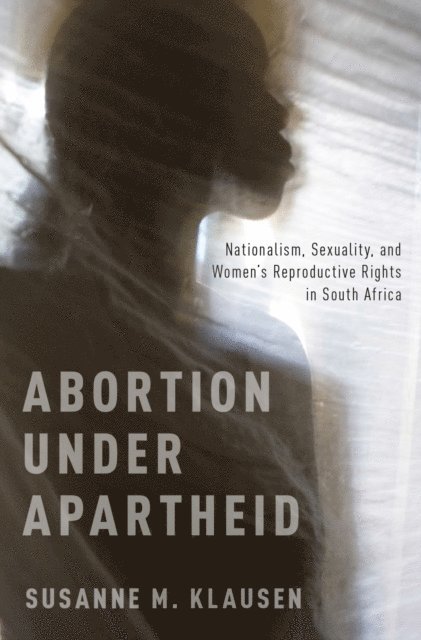
Abortion Under Apartheid examines the politics of abortion in South Africa during the apartheid era (1948-1990), when termination of pregnancy was criminalized. It analyzes the flourishing clandestine abortion industry, the prosecution of medical and "backstreet" abortionists, and the passage in 1975 of the country''s first statutory law on abortion. Susanne M. Klausen reveals how ideas about sexuality were fundamental to apartheid culture and shows that the authoritarian National Party government - alarmed by the spread of "permissiveness" in white society - attempted to regulate white women''s reproductive sexuality in the interests of maintaining white supremacy.A major focus of the book is the battle over abortion that erupted in the late 1960s and early 1970s, when doctors and feminists, inspired by international developments, called for liberalization of the colonial-era common law that criminalized abortion. The movement for legal reform spurred a variety of political, social, and religious groups to grapple with the meaning of abortion in the context of changing ideas about the traditional family and women''s place within it. Abortion Under Apartheid demonstrates that all women, regardless of race, were oppressed under apartheid. Yet, although the National Party was preoccupied with denying young, unmarried white women reproductive control, black girls and women bore the brunt of the lack of access to safe abortion, suffering the effects on a shocking scale.At the heart of the story are the black and white girls and women who-regardless of hostility from partners, elders, religious institutions, nationalist movements, conservative doctors and nurses, or the government-persisted in determining their own destinies. Although a great many were harmed and even died as a result of being denied safe abortions, many more succeeded in thwarting opponents of women''s right to control their capacity to bear children. This book conveys both the tragic and triumphant sides of their story.
Häftad, Engelska, 2019
421 kr
Skickas inom 5-8 vardagar
Abortion Under Apartheid examines the politics of abortion in South Africa during the apartheid era (1948-1990), when termination of pregnancy was criminalized. It analyzes the flourishing clandestine abortion industry, the prosecution of medical and "backstreet" abortionists, and the passage in 1975 of the country's first statutory law on abortion. Susanne M. Klausen reveals how ideas about sexuality were fundamental to apartheid culture and shows that the authoritarian National Party government - alarmed by the spread of "permissiveness" in white society - attempted to regulate white women's reproductive sexuality in the interests of maintaining white supremacy.A major focus of the book is the battle over abortion that erupted in the late 1960s and early 1970s, when doctors and feminists, inspired by international developments, called for liberalization of the colonial-era common law that criminalized abortion. The movement for legal reform spurred a variety of political, social, and religious groups to grapple with the meaning of abortion in the context of changing ideas about the traditional family and women's place within it. Abortion Under Apartheid demonstrates that all women, regardless of race, were oppressed under apartheid. Yet, although the National Party was preoccupied with denying young, unmarried white women reproductive control, black girls and women bore the brunt of the lack of access to safe abortion, suffering the effects on a shocking scale.At the heart of the story are the black and white girls and women who-regardless of hostility from partners, elders, religious institutions, nationalist movements, conservative doctors and nurses, or the government-persisted in determining their own destinies. Although a great many were harmed and even died as a result of being denied safe abortions, many more succeeded in thwarting opponents of women's right to control their capacity to bear children. This book conveys both the tragic and triumphant sides of their story.
Inbunden, Engelska, 2015
1 518 kr
Skickas inom 5-8 vardagar
Abortion Under Apartheid examines the politics of abortion in South Africa during the apartheid era (1948-1990), when termination of pregnancy was criminalized. It analyzes the flourishing clandestine abortion industry, the prosecution of medical and "backstreet" abortionists, and the passage in 1975 of the country's first statutory law on abortion. Susanne M. Klausen reveals how ideas about sexuality were fundamental to apartheid culture and shows that the authoritarian National Party government -- alarmed by the spread of "permissiveness" in white society -- attempted to regulate white women's reproductive sexuality in the interests of maintaining white supremacy.A major focus of the book is the battle over abortion that erupted in the late 1960s and early 1970s, when doctors and feminists, inspired by international developments, called for liberalization of the colonial-era common law that criminalized abortion. The movement for legal reform spurred a variety of political, social, and religious groups to grapple with the meaning of abortion in the context of changing ideas about the traditional family and women's place within it. Abortion Under Apartheid demonstrates that all women, regardless of race, were oppressed under apartheid. Yet, although the National Party was preoccupied with denying young, unmarried white women reproductive control, black girls and women bore the brunt of the lack of access to safe abortion, suffering the effects on a shocking scale.At the heart of the story are the black and white girls and women who -- regardless of hostility from partners, elders, religious institutions, nationalist movements, conservative doctors and nurses, or the government -- persisted in determining their own destinies. Although a great many were harmed and even died as a result of being denied safe abortion, many more succeeded in thwarting opponents of women's right to control their capacity to bear children. This book conveys both the tragic and triumphant sides of their story.
E-bok
PDF, Engelska, 2015862 kr
Läs direkt efter köp
Abortion Under Apartheid examines the politics of abortion in South Africa during the apartheid era (1948-1990), when termination of pregnancy was criminalized. It analyzes the flourishing clandestine abortion industry, the prosecution of medical and "backstreet" abortionists, and the passage in 1975 of the country''s first statutory law on abortion. Susanne M. Klausen reveals how ideas about sexuality were fundamental to apartheid culture and shows that the authoritarian National Party government - alarmed by the spread of "permissiveness" in white society - attempted to regulate white women''s reproductive sexuality in the interests of maintaining white supremacy.A major focus of the book is the battle over abortion that erupted in the late 1960s and early 1970s, when doctors and feminists, inspired by international developments, called for liberalization of the colonial-era common law that criminalized abortion. The movement for legal reform spurred a variety of political, social, and religious groups to grapple with the meaning of abortion in the context of changing ideas about the traditional family and women''s place within it. Abortion Under Apartheid demonstrates that all women, regardless of race, were oppressed under apartheid. Yet, although the National Party was preoccupied with denying young, unmarried white women reproductive control, black girls and women bore the brunt of the lack of access to safe abortion, suffering the effects on a shocking scale.At the heart of the story are the black and white girls and women who-regardless of hostility from partners, elders, religious institutions, nationalist movements, conservative doctors and nurses, or the government-persisted in determining their own destinies. Although a great many were harmed and even died as a result of being denied safe abortions, many more succeeded in thwarting opponents of women''s right to control their capacity to bear children. This book conveys both the tragic and triumphant sides of their story.
Häftad, Engelska, 2015
417 kr
Skickas inom 11-20 vardagar
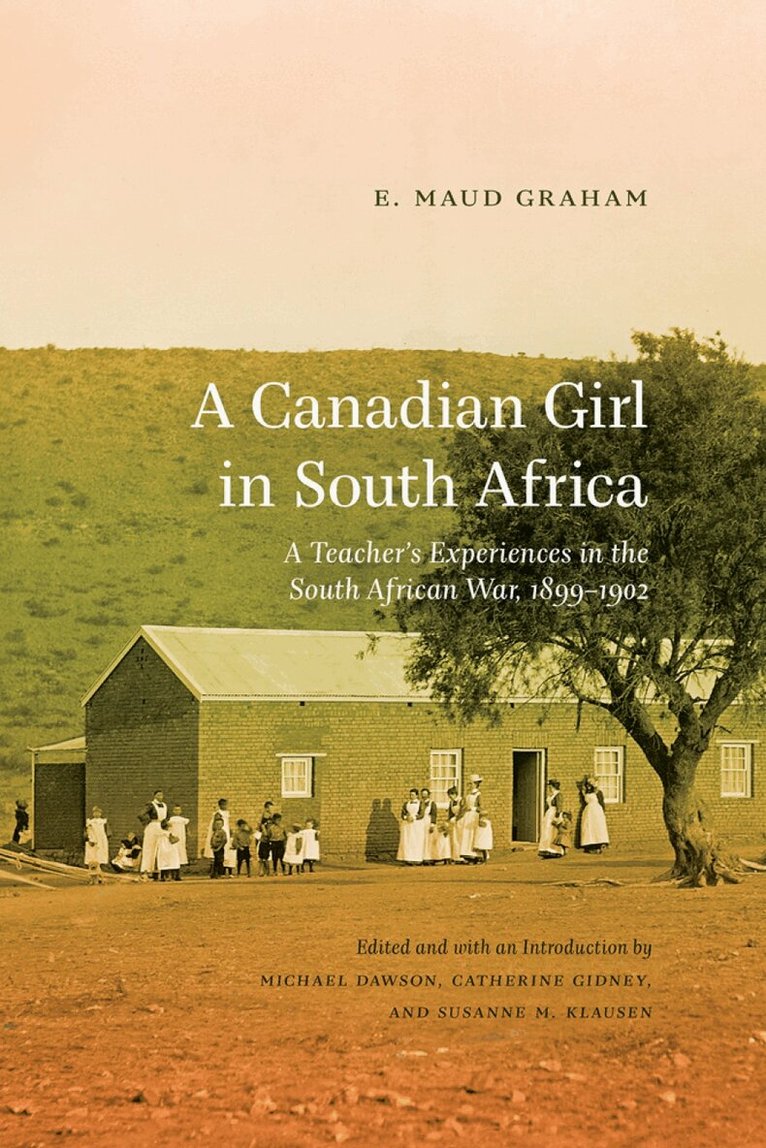
As the South African War reached its grueling end in 1902, colonial interests at the highest levels of the British Empire hand-picked teachers from across the Commonwealth to teach the thousands of Boer children living in concentration camps. Highly educated, hard working, and often opinionated, E. Maud Graham joined the Canadian contingent of forty teachers. Her eyewitness account reveals the complexity of relations and tensions at a controversial period in the histories of both Britain and South Africa. Graham presents a lively historical travel memoir, and the editors have provided rich political and historical context to her narrative in the Introduction and generous annotations. This is a rare primary source for experts in Colonial Studies, Women’s Studies, and Canadian, South African, and British Imperial History. Readers with an interest in the South African War will be intrigued by Graham’s observations on South African society at the end of the Victorian era.
E-bok
Engelska, 2015166 kr
Läs direkt efter köp
A Canadian woman shares her story of traveling to South Africa to teach Boer children in concentration camps following the South African War.As the South African War reached its grueling end in 1902, colonial interests at the highest levels of the British Empire hand-picked teachers from across the Commonwealth to teach the thousands of Boer children living in concentration camps. Highly educated, hard working, and often opinionated, E. Maud Graham joined the Canadian contingent of forty teachers. Her eyewitness account reveals the complexity of relations and tensions at a controversial period in the histories of both Britain and South Africa. Graham presents a lively historical travel memoir, and the editors have provided rich political and historical context to her narrative in the Introduction and generous annotations. This is a rare primary source for experts in Colonial Studies, Women’s Studies, and Canadian, South African, and British Imperial History. Readers with an interest in the South African War will be intrigued by Graham’s observations on South African society at the end of the Victorian era.“A fascinating perspective on the country. . . . Graham’s account will help others understand how the British and English-speaking Canadians in South Africa perceived Boers and native southern Africans at the turn of the twentieth century, and her descriptions reveal details about everyday life in South Africa at an important moment of transition.... Graham’s book represents the perspective of a well-embedded outsider reporting to far-removed readers, rather than that of a female teacher involved in international or imperial education.” —Benjamin Bryce, Historical Studies in Education“Recommended for those who wish to learn more about South African history and early race relations or tensions. Graham’s opinionated writing will amuse and interest those researching women’s studies.” —Amy L. Crofford, African Studies Quarterly, Volume 16
E-bok
PDF, Engelska, 2015166 kr
Läs direkt efter köp
A Canadian woman shares her story of traveling to South Africa to teach Boer children in concentration camps following the South African War. As the South African War reached its grueling end in 1902, colonial interests at the highest levels of the British Empire hand-picked teachers from across the Commonwealth to teach the thousands of Boer children living in concentration camps. Highly educated, hard working, and often opinionated, E. Maud Graham joined the Canadian contingent of forty teachers. Her eyewitness account reveals the complexity of relations and tensions at a controversial period in the histories of both Britain and South Africa. Graham presents a lively historical travel memoir, and the editors have provided rich political and historical context to her narrative in the Introduction and generous annotations. This is a rare primary source for experts in Colonial Studies, Women's Studies, and Canadian, South African, and British Imperial History. Readers with an interest in the South African War will be intrigued by Graham's observations on South African society at the end of the Victorian era. "e;A fascinating perspective on the country. . . . Graham's account will help others understand how the British and English-speaking Canadians in South Africa perceived Boers and native southern Africans at the turn of the twentieth century, and her descriptions reveal details about everyday life in South Africa at an important moment of transition.... Graham's book represents the perspective of a well-embedded outsider reporting to far-removed readers, rather than that of a female teacher involved in international or imperial education."e; Benjamin Bryce, Historical Studies in Education"e;Recommended for those who wish to learn more about South African history and early race relations or tensions. Graham's opinionated writing will amuse and interest those researching women's studies."e; Amy L. Crofford, African Studies Quarterly, Volume 16