Suzanne Bell – författare
Visar alla böcker från författaren Suzanne Bell. Handla med fri frakt och snabb leverans.
34 produkter
Understanding Forensic DNA
Av Suzanne Bell, John M. Butler
Häftad, 2022
232 kr
Lägg i varukorg
Forensic DNA analysis plays a central role in the judicial system. A DNA sample can change the course of an investigation with immense consequences. Because DNA typing is recognized as the epitome of forensic science, increasing public awareness in this area is vital. Through several cases, …
A Dictionary of Forensic Science
Av Suzanne Bell
Häftad, 2012
172 kr
Lägg i varukorg
Forensic scientists apply scientific analysis in a legal context and play a vital role in solving crimes. Sometimes the collection of forensic evidence is the only way to establish or exclude an association between suspect and victim or crime scene, or to establish a likely order of events. …
Crime and Circumstance
Investigating the History of Forensic Science
Av Suzanne Bell
Inbunden, 2008
694 kr
Lägg i varukorg
Today, there is more interest in forensic science than ever before. Crime and Circumstance weaves an intriguing tale of how an obscure corner of medicine dating back to ancient times matured into modern forensic science. The author explores the scientific and social threads that created forensic …
Crime and Circumstance
Investigating the History of Forensic Science
Av Suzanne Bell
E-bok, 2008
780 kr
Lägg i varukorg
Today, there is more interest in forensic science than ever before. Crime and Circumstance weaves an intriguing tale of how an obscure corner of medicine dating back to ancient times matured into modern forensic science. The author explores the scientific and social threads that created forensic …
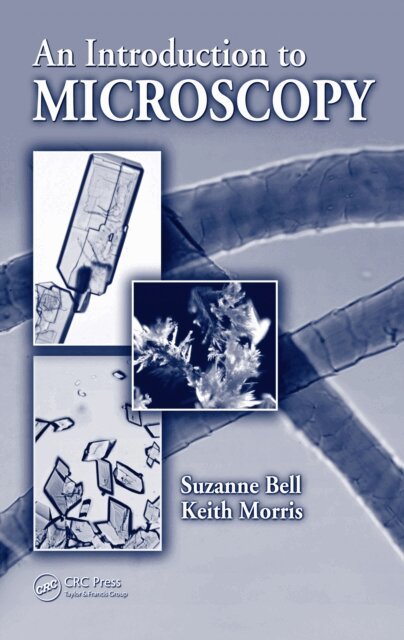
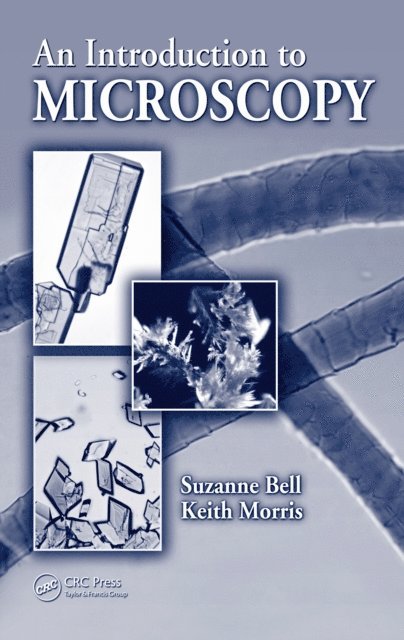
INTRODUCTION TO MICROSCOPY
Av SUZANNE BELL
Inbunden, 2019
969 kr
Lägg i varukorg
Microscopy is an invaluable tool in biology and healthcare and increasingly is integrated into modern chemical instrumentation. Written by two forensic experts, this text builds a foundation in the basics of light and polarizing microscopy. The book focuses on forensic science applications and also …
Forensic Chemistry
Av Suzanne Bell
E-bok, 2022
1645 kr
Lägg i varukorg
Forensic Chemistry, Third Edition, the new edition of this ground-breaking book, continues to serve as the leading forensic chemistry text on the market. Fully updated, this edition describes the latest advances in current forensic chemistry analysis and practice. New and expanded coverage includes …
Forensic Chemistry
Av Suzanne Bell
E-bok, 2022
1645 kr
Lägg i varukorg
Forensic Chemistry, Third Edition, the new edition of this ground-breaking book, continues to serve as the leading forensic chemistry text on the market. Fully updated, this edition describes the latest advances in current forensic chemistry analysis and practice. New and expanded coverage includes …
Trace Evidence
Inbunden, 2009
399 kr
Lägg i varukorg
Evidence that can barely be seen with the naked eye routinely plays a crucial part in the search for - and the conviction of - some of the most dangerous criminals known to society. From the hairs of a dog to tiny fiber fragments, forensic analysts study these trace materials and interpret them for …
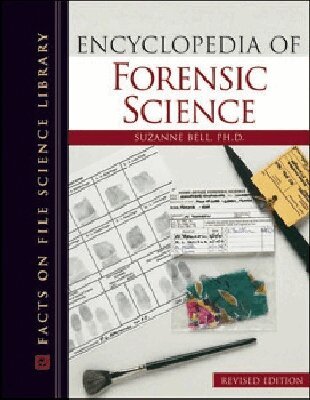
Encyclopedia of Forensic Science
Av Suzanne Bell
Inbunden, 2008
959 kr
Lägg i varukorg
Gathering the core topics of forensic science into one comprehensive volume and providing an overview of each, ""Encyclopedia of Forensic Science, Revised Edition"" is a revised and expanded version of the award-winning original with approximately 650 entries, more than 80 new to this edition. More …
Understanding Forensic DNA
Av John M. Butler, Suzanne Bell
E-bok, 2022
212 kr
Lägg i varukorg
Forensic DNA analysis plays a central role in the judicial system. A DNA sample can change the course of an investigation with immense consequences. Because DNA typing is recognized as the epitome of forensic science, increasing public awareness in this area is vital. Through several cases, …
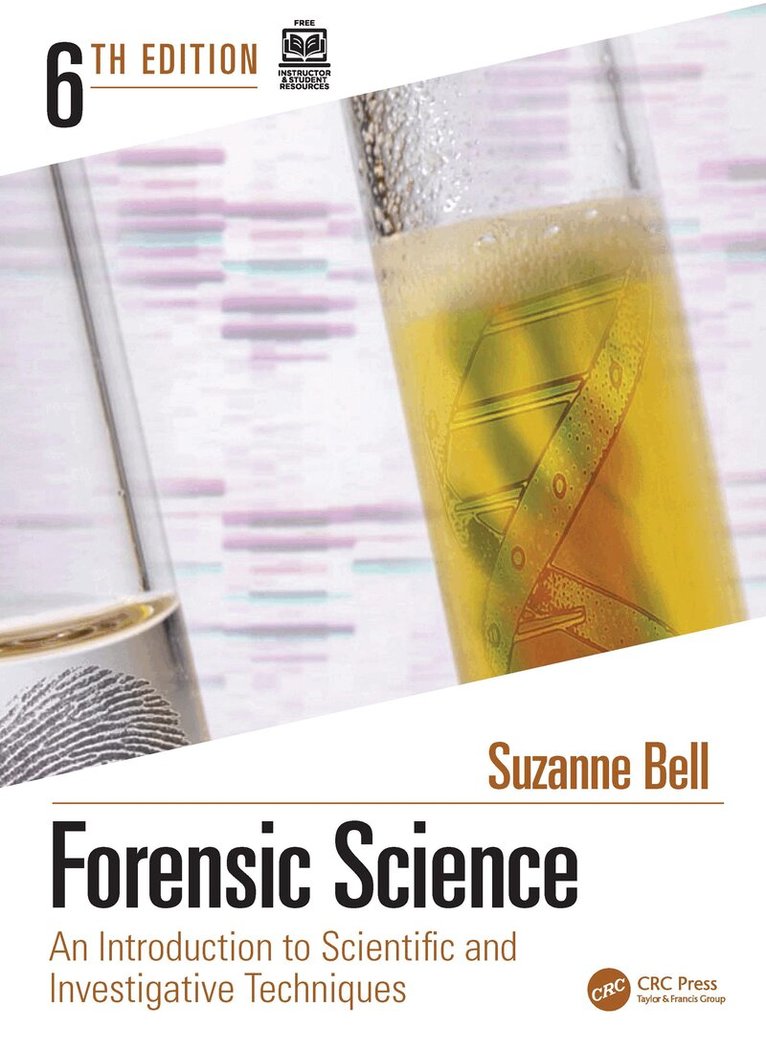
Forensic Science
An Introduction to Scientific and Investigative Techniques
Av Suzanne Bell
Inbunden, 2025
1092 kr
Lägg i varukorg
Forensic Science: An Introduction to Scientific and Investigative Techniques, Sixth Edition covers a full range of fundamental topics essential to modern forensic casework and investigation. The new edition is fully updated to outline best practices – including recent technology and techniques – …
Introduction to Microscopy
E-bok, 2009
1645 kr
Lägg i varukorg
Microscopy, which has served as a fundamental scientific technique for centuries, remains an invaluable tool in chemistry, biology, healthcare, and forensics. Increasingly, it is being integrated into modern chemical instrumentation and is of value as a powerful analytical tool across many …
Forensic Science
An Introduction to Scientific and Investigative Techniques
Av Suzanne Bell
E-bok, 2025
1230 kr
Lägg i varukorg
Forensic Science: An Introduction to Scientific and Investigative Techniques, Sixth Edition covers a full range of fundamental topics essential to modern forensic casework and investigation. The new edition is fully updated to outline best practices – including recent technology and techniques – …
Forensic Science
An Introduction to Scientific and Investigative Techniques
Av Suzanne Bell
E-bok, 2025
1230 kr
Lägg i varukorg
Forensic Science: An Introduction to Scientific and Investigative Techniques, Sixth Edition covers a full range of fundamental topics essential to modern forensic casework and investigation. The new edition is fully updated to outline best practices – including recent technology and techniques – …
Forensic Science
An Introduction to Scientific and Investigative Techniques, Fifth Edition
Av Suzanne Bell
Inbunden, 2019
1668 kr
Lägg i varukorg
Covering a range of fundamental topics essential to modern forensic investigation, the fifth edition of the landmark text Forensic Science: An Introduction to Scientific and Investigative Techniques presents contributions and case studies from the personal files of experts in the field. In the …
Forensic Chemistry
Av Suzanne Bell
Inbunden, 2022
1458 kr
Lägg i varukorg
Forensic Chemistry, Third Edition, the new edition of this ground-breaking book, continues to serve as the leading forensic chemistry text on the market. Fully updated, this edition describes the latest advances in current forensic chemistry analysis and practice. New and expanded coverage includes …
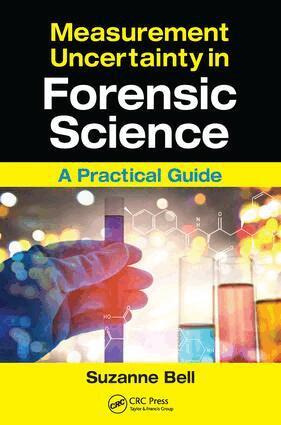
Measurement Uncertainty in Forensic Science
A Practical Guide
Av Suzanne Bell
Inbunden, 2017
3066 kr
Lägg i varukorg
In the courtroom, critical and life-changing decisions are made based on quantitative forensic science data. There is often a range in which a measured value is expected to fall and, in this, an inherent uncertainty associated with such measurement. Uncertainty in this context is not error. In …
Measurement Uncertainty in Forensic Science
A Practical Guide
Av Suzanne Bell
E-bok, 2016
1195 kr
Lägg i varukorg
In the courtroom, critical and life-changing decisions are made based on quantitative forensic science data. There is often a range in which a measured value is expected to fall and, in this, an inherent uncertainty associated with such measurement. Uncertainty in this context is not error. In …
Measurement Uncertainty in Forensic Science
A Practical Guide
Av Suzanne Bell
E-bok, 2016
1195 kr
Lägg i varukorg
In the courtroom, critical and life-changing decisions are made based on quantitative forensic science data. There is often a range in which a measured value is expected to fall and, in this, an inherent uncertainty associated with such measurement. Uncertainty in this context is not error. In …
Understanding Forensic DNA
Av Suzanne Bell, John M. Butler
Inbunden, 2022
732 kr
Lägg i varukorg
Forensic DNA analysis plays a central role in the judicial system. A DNA sample can change the course of an investigation with immense consequences. Because DNA typing is recognized as the epitome of forensic science, increasing public awareness in this area is vital. Through several cases, …
Introduction to Microscopy
Inbunden, 2009
1522 kr
Lägg i varukorg
Microscopy, which has served as a fundamental scientific technique for centuries, remains an invaluable tool in chemistry, biology, healthcare, and forensics. Increasingly, it is being integrated into modern chemical instrumentation and is of value as a powerful analytical tool across many …
Forensic Science
QuickStudy Digital Reference & Study Guide
Av Suzanne Bell
E-bok, 2022
118 kr
Lägg i varukorg
Essential principles of forensic science for core crime scene evidence collection and evaluation concisely written by expert in the field Suzanne Bell, PhD from Los Alamos National Laboratory, then professor at Eastern Washington University and Chair of the National Commission on Forensic Science. …
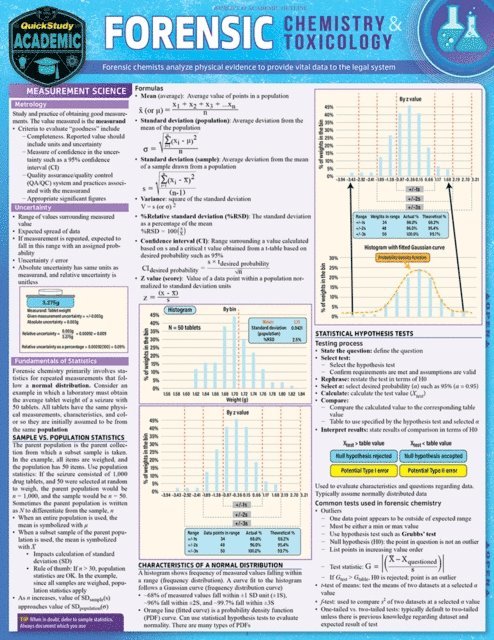
Forensic Chemistry & Toxicology
QuickStudy Laminated Reference & Study Guide
Av Suzanne Bell
E-bok, 2022
118 kr
Lägg i varukorg
Essential principles of forensic chemistry and toxicology for core crime scene evidence analysis concisely written by expert in the field Suzanne Bell, PhD from Los Alamos National Laboratory, then professor at Eastern Washington University, and Chair of the National Commission on Forensic Science. …
Introduction to Microscopy
E-bok, 2009
1597 kr
Lägg i varukorg
Microscopy, which has served as a fundamental scientific technique for centuries, remains an invaluable tool in chemistry, biology, healthcare, and forensics. Increasingly, it is being integrated into modern chemical instrumentation and is of value as a powerful analytical tool across many …
Measurement Uncertainty in Forensic Science
A Practical Guide
Av Suzanne Bell
Häftad, 2016
1012 kr
Lägg i varukorg
In the courtroom, critical and life-changing decisions are made based on quantitative forensic science data. There is often a range in which a measured value is expected to fall and, in this, an inherent uncertainty associated with such measurement. Uncertainty in this context is not error. In …
How to Identify a Forgery
A Guide to Spotting Fake Art, Counterfeit Currencies, and More
Av Suzanne Bell
E-bok, 2013
120 kr
Lägg i varukorg
Fakes and counterfeits have existed since ancient times; and while the methods of forgery have surely advanced, so has the science necessary to identify them. Currency, art, and historical artifacts are only a few of the objects commonly forged; and scientists in forensic laboratories throughout …
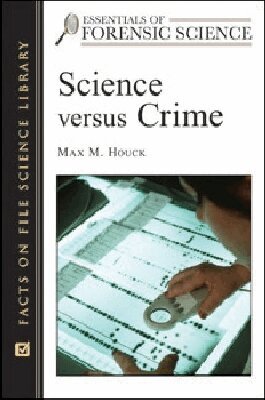
Science Versus Crime
Inbunden, 2009
399 kr
Tillfälligt slut
The highly publicized O.J. Simpson trial sparked an interest in the application of science to criminal investigations, leading to popular TV shows, books, and movies on the topic. Enrollment in forensic science educational programs soared, and new academic programs sprouted everywhere.""Science …
Blood, Bugs, and Plants
Av R.E. Gaensslen, Suzanne Bell
Inbunden, 2008
444 kr
Tillfälligt slut
Blood, Bugs, and Plants explores several core biological areas that have influenced modern forensic science. Entomology ('bugs') is a specialty that uses knowledge about insect life cycles to inform death investigations. Botany ('plants') is a specialty that looks at plant materials as evidence in …
Drugs, Poisons, and Chemistry
Av Suzanne Bell
Inbunden, 2008
399 kr
Tillfälligt slut
Forensic chemists and toxicologists work with drugs and poisons, but they each start with different evidence. Forensic chemists working in a crime lab must determine if the physical evidence they receive is an illegal substance such as marijuana or cocaine. They are also responsible for samples - …
Firearms and Fingerprints
Av Edward E. Hueske, Suzanne Bell
Inbunden, 2009
399 kr
Tillfälligt slut
Firearms evidence examination and fingerprint comparison have had a long and interesting history. The role of fingerprints in human identification can actually be traced back several thousand years. The development of the science of fingerprint comparison and the scientific examination of firearms, …