Suzanne Cope – författare
Visar alla böcker från författaren Suzanne Cope. Handla med fri frakt och snabb leverans.
6 produkter
6 produkter
Inbunden, Engelska, 2025
312 kr
Skickas
E-bok
Engelska, 2025222 kr
Läs direkt efter köp
Inbunden, Engelska, 2014
590 kr
Skickas inom 10-15 vardagar
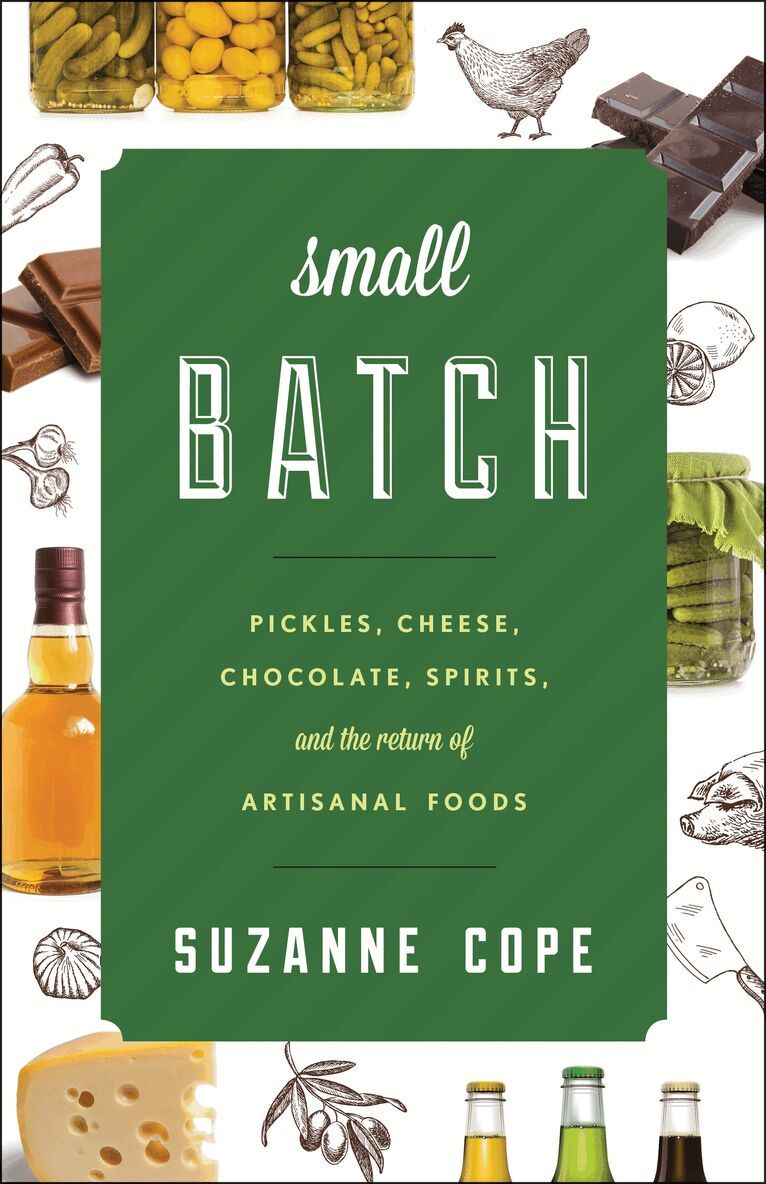
Artisanal foods are making a comeback as more and more people seek to stock their pantries, and their bellies, with handcrafted or locally grown and made foods. Specialty markets and sections at grocery stores are catering to this new desire for the special, the unique, the carefully made foods. Small Batch: Pickles, Cheese, Chocolate, Spirits and the Return of Artisanal Foods colorfully details the landscape of the newest wave of the artisanal food revolution by looking at four foods that whet our appetites for specialty. Considering the history and the cultural issues surrounding the resurgence of craft food, including the evolving definition of terroir, the importance of narrative in valuing artisanal food, and the way that these present food trends connect with—and upend—their rich history, Small Batch seeks to define and update the term "artisanal" and give insight into the influences, challenges, and identity of food artisans today.Suzanne Cope sumptuously surveys the collective history of the production of cheese, pickles, chocolate, and alcoholic spirits, and brings this narrative to the present by incorporating interviews with over fifty modern artisans. Cope details the influences, challenges, and evolving identity of these modern craft industries—and places them in context within the recent resurgence and growth of the artisanal segment of the market. Readers interested in craft foods, and what it means to be an artisan, will find here a fascinating history and updating of both.
Inbunden, Engelska, 2021
331 kr
Skickas inom 3-6 vardagar
E-bok
PDF, Engelska, 2021172 kr
Läs direkt efter köp
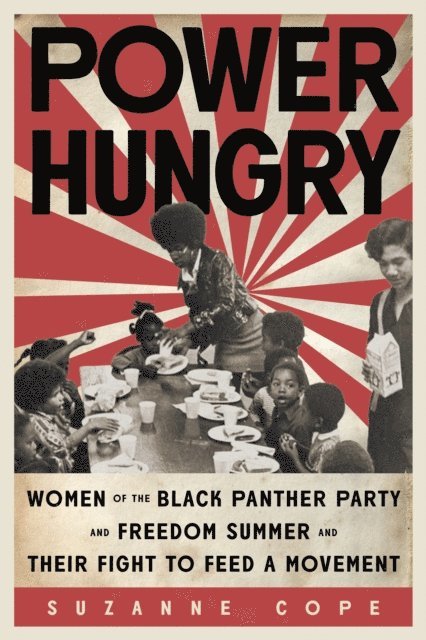
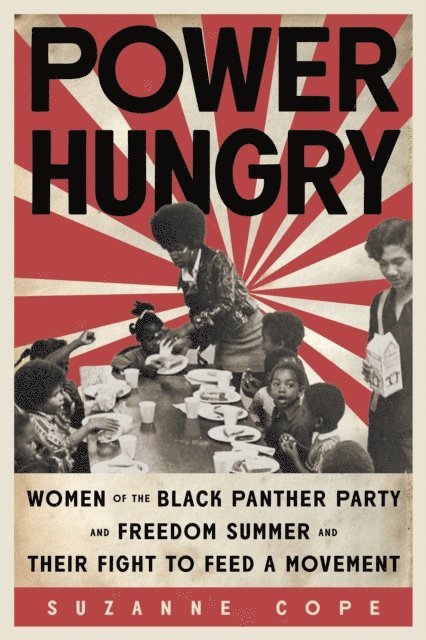
Two unsung women whose power using food as a political weapon during the civil rights movement was so great it brought the ire of government agents working against them In early 1969 Cleo Silvers and a few Black Panther Party members met at a community center laden with boxes of donated food to cook for the neighborhood children. By the end of the year, the Black Panthers would be feeding more children daily in all of their breakfast programs than the state of California was at that time. More than a thousand miles away, Aylene Quin had spent the decade using her restaurant in McComb, Mississippi, to host secret planning meetings of civil rights leaders and organizations, feed the hungry, and cement herself as a community leader who could bring people together—physically and philosophically—over a meal. These two women''s tales, separated by a handful of years, tell the same story: how food was used by women as a potent and necessary ideological tool in both the rural south and urban north to create lasting social and political change. The leadership of these women cooking and serving food in a safe space for their communities was so powerful, the FBI resorted to coordinated extensive and often illegal means to stop the efforts of these two women, and those using similar tactics, under COINTELPRO--turning a blind eye to the firebombing of the children of a restaurant owner, destroying food intended for poor kids, and declaring a community breakfast program a major threat to public safety.But of course, it was never just about the food.
E-bok
Engelska, 2021167 kr
Läs direkt efter köp
Two unsung women whose power using food as a political weapon during the civil rights movement was so great it brought the ire of government agents working against them In early 1969 Cleo Silvers and a few Black Panther Party members met at a community center laden with boxes of donated food to cook for the neighborhood children. By the end of the year, the Black Panthers would be feeding more children daily in all of their breakfast programs than the state of California was at that time. More than a thousand miles away, Aylene Quin had spent the decade using her restaurant in McComb, Mississippi, to host secret planning meetings of civil rights leaders and organizations, feed the hungry, and cement herself as a community leader who could bring people together—physically and philosophically—over a meal. These two women''s tales, separated by a handful of years, tell the same story: how food was used by women as a potent and necessary ideological tool in both the rural south and urban north to create lasting social and political change. The leadership of these women cooking and serving food in a safe space for their communities was so powerful, the FBI resorted to coordinated extensive and often illegal means to stop the efforts of these two women, and those using similar tactics, under COINTELPRO--turning a blind eye to the firebombing of the children of a restaurant owner, destroying food intended for poor kids, and declaring a community breakfast program a major threat to public safety.But of course, it was never just about the food.