Sven E. Jorgensen – författare
Visar alla böcker från författaren . Handla med fri frakt och snabb leverans.
13 produkter
13 produkter
Häftad, Engelska, 2019
1 032 kr
Skickas inom 10-15 vardagar
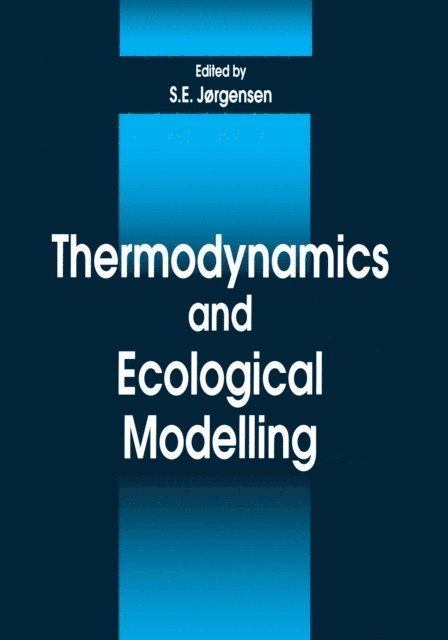
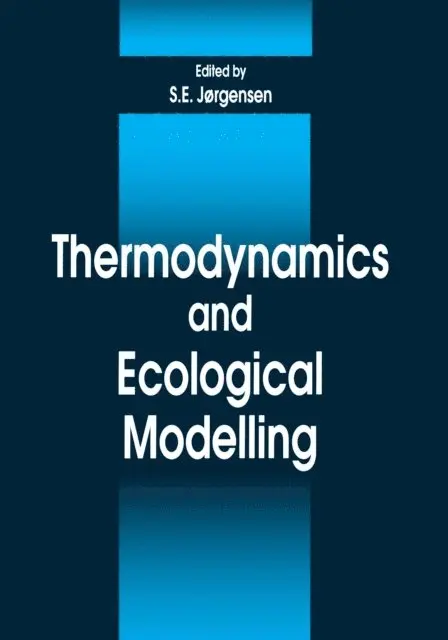
Thermodynamics is used increasingly in ecology to understand the system properties of ecosystems because it is a basic science that describes energy transformation from a holistic view. In the last decade, many contributions to ecosystem theory based on thermodynamics have been published, therefore an important step toward integrating these theories and encouraging a more wide spread use of them is to present them in one volume.An ecosystem consists of interdependent living organisms that are also interdependent with their environment, all of which are involved in a constant transfer of energy and mass within a general state of equilibrium or dis-equilibrium. Thermodynamics can quantify exactly how "organized" or "disorganized" a system is - an extremely useful to know when trying to understand how a dynamic ecosystem is behaving.A part of the Environmental and Ecological (Math) Modeling series, Thermodynamics and Ecology is a book-length study - the first of its kind - of the current thinking on how an ecosystem can be explained and predicted in terms of its thermodynamical behavior. After the introductory chapters on the fundamentals of thermodynamics, the book explains how thermodynamic theory can be specifically applied to the "measurement" of an ecosystem, including the assessment of its state of entropy and enthalpy. Additionally, it will show economists how to put these theories to use when trying to quantify the movement of goods and services through another type of complex living system - a human society.
Häftad, Engelska, 2019
1 032 kr
Skickas inom 10-15 vardagar
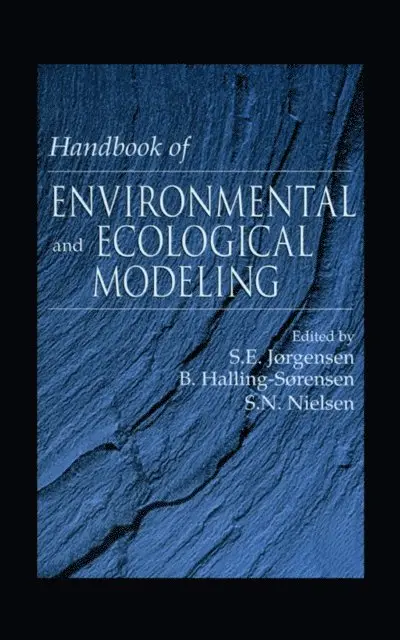
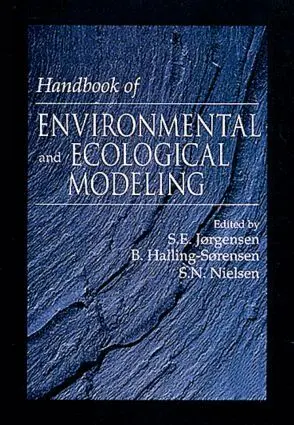
With descriptions of hundreds of the most important environmental and ecological models, this handbook is a unique and practical reference source. The Handbook of Environmental and Ecological Modeling is ideal for those working in environmental modeling, including regulators and managers who wish to understand the models used to make assessments. Overviews of more than 360 models are easily accessed in this handbook, allowing readers to quickly locate information they need about models available in a given ecosystem.The material in the Handbook of Environmental and Ecological Modeling is logically arranged according to ecosystem. Each of the sixteen chapters of the handbook covers a particular ecosystem, and includes not only the descriptions of the models, but also an overview of the state-of-the-art in modeling for that particular ecosystem. A summary of the spectrum of available models is also provided in each chapter. The extensive table of contents and the easy-to-use index put materials immediately at your fingertips.
Häftad, Engelska, 2020
779 kr
Skickas inom 10-15 vardagar
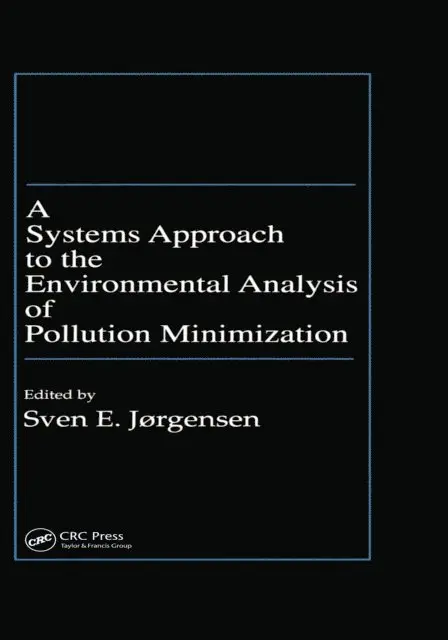
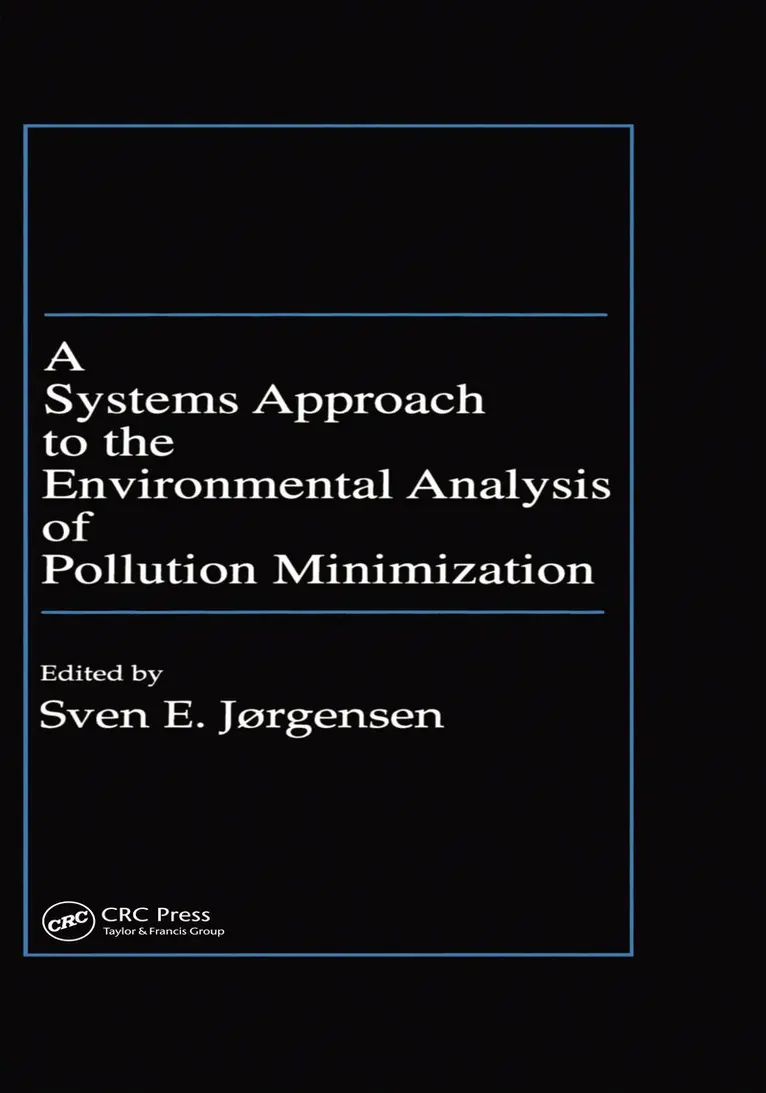
The environmental analysis of pollution problems always involves the use of mass and energy balances to quantify the extent of pollution and its sources. This same form of analysis can be applied to ecosystems, production systems, a whole country or a region. A Systems Approach to the Environmental Analysis of Pollution Minimization identifies and describes the common factors shared by these systems.The book is organized in twelve chapters and progresses from general concepts to specific assessment methods. Chapter one is a general introduction to environmental management principles. Chapter two discusses conservation principles and their applications to environmental health. Chapters three and four explore ecosystem health, properties and analysis. Chapters five through eleven present different methods of analysis including Green Accounting, Clean Technology, Life Cycle Analysis, and Risk Assessment. Editor Sven Jorgensen closes the book with a sweeping summary.Jorgensen is a internationally published authority on the use and analysis of ecosystem models. His new book is a comprehensive guide for both students and professionals. A Systems Approach to the Environmental Analysis of Pollution Minimization is an invaluable contribution.Features
E-bok
PDF, Engelska, 2020925 kr
Läs direkt efter köp
The environmental analysis of pollution problems always involves the use of mass and energy balances to quantify the extent of pollution and its sources. This same form of analysis can be applied to ecosystems, production systems, a whole country or a region. A Systems Approach to the Environmental Analysis of Pollution Minimization identifies and describes the common factors shared by these systems.The book is organized in twelve chapters and progresses from general concepts to specific assessment methods. Chapter one is a general introduction to environmental management principles. Chapter two discusses conservation principles and their applications to environmental health. Chapters three and four explore ecosystem health, properties and analysis. Chapters five through eleven present different methods of analysis including Green Accounting, Clean Technology, Life Cycle Analysis, and Risk Assessment. Editor Sven Jorgensen closes the book with a sweeping summary.Jorgensen is a internationally published authority on the use and analysis of ecosystem models. His new book is a comprehensive guide for both students and professionals. A Systems Approach to the Environmental Analysis of Pollution Minimization is an invaluable contribution.Features
E-bok
Engelska, 2020922 kr
Läs direkt efter köp
The environmental analysis of pollution problems always involves the use of mass and energy balances to quantify the extent of pollution and its sources. This same form of analysis can be applied to ecosystems, production systems, a whole country or a region. A Systems Approach to the Environmental Analysis of Pollution Minimization identifies and describes the common factors shared by these systems.The book is organized in twelve chapters and progresses from general concepts to specific assessment methods. Chapter one is a general introduction to environmental management principles. Chapter two discusses conservation principles and their applications to environmental health. Chapters three and four explore ecosystem health, properties and analysis. Chapters five through eleven present different methods of analysis including Green Accounting, Clean Technology, Life Cycle Analysis, and Risk Assessment. Editor Sven Jorgensen closes the book with a sweeping summary.Jorgensen is a internationally published authority on the use and analysis of ecosystem models. His new book is a comprehensive guide for both students and professionals. A Systems Approach to the Environmental Analysis of Pollution Minimization is an invaluable contribution.Features
E-bok
Engelska, 20171 224 kr
Läs direkt efter köp
With descriptions of hundreds of the most important environmental and ecological models, this handbook is a unique and practical reference source. The Handbook of Environmental and Ecological Modeling is ideal for those working in environmental modeling, including regulators and managers who wish to understand the models used to make assessments. Overviews of more than 360 models are easily accessed in this handbook, allowing readers to quickly locate information they need about models available in a given ecosystem.The material in the Handbook of Environmental and Ecological Modeling is logically arranged according to ecosystem. Each of the sixteen chapters of the handbook covers a particular ecosystem, and includes not only the descriptions of the models, but also an overview of the state-of-the-art in modeling for that particular ecosystem. A summary of the spectrum of available models is also provided in each chapter. The extensive table of contents and the easy-to-use index put materials immediately at your fingertips.
E-bok
PDF, Engelska, 20171 227 kr
Läs direkt efter köp
With descriptions of hundreds of the most important environmental and ecological models, this handbook is a unique and practical reference source. The Handbook of Environmental and Ecological Modeling is ideal for those working in environmental modeling, including regulators and managers who wish to understand the models used to make assessments. Overviews of more than 360 models are easily accessed in this handbook, allowing readers to quickly locate information they need about models available in a given ecosystem.The material in the Handbook of Environmental and Ecological Modeling is logically arranged according to ecosystem. Each of the sixteen chapters of the handbook covers a particular ecosystem, and includes not only the descriptions of the models, but also an overview of the state-of-the-art in modeling for that particular ecosystem. A summary of the spectrum of available models is also provided in each chapter. The extensive table of contents and the easy-to-use index put materials immediately at your fingertips.
E-bok
Engelska, 20181 224 kr
Läs direkt efter köp
Thermodynamics is used increasingly in ecology to understand the system properties of ecosystems because it is a basic science that describes energy transformation from a holistic view. In the last decade, many contributions to ecosystem theory based on thermodynamics have been published, therefore an important step toward integrating these theories and encouraging a more wide spread use of them is to present them in one volume.An ecosystem consists of interdependent living organisms that are also interdependent with their environment, all of which are involved in a constant transfer of energy and mass within a general state of equilibrium or dis-equilibrium. Thermodynamics can quantify exactly how "organized" or "disorganized" a system is - an extremely useful to know when trying to understand how a dynamic ecosystem is behaving.A part of the Environmental and Ecological (Math) Modeling series, Thermodynamics and Ecology is a book-length study - the first of its kind - of the current thinking on how an ecosystem can be explained and predicted in terms of its thermodynamical behavior. After the introductory chapters on the fundamentals of thermodynamics, the book explains how thermodynamic theory can be specifically applied to the "measurement" of an ecosystem, including the assessment of its state of entropy and enthalpy. Additionally, it will show economists how to put these theories to use when trying to quantify the movement of goods and services through another type of complex living system - a human society.
E-bok
PDF, Engelska, 20181 224 kr
Läs direkt efter köp
Thermodynamics is used increasingly in ecology to understand the system properties of ecosystems because it is a basic science that describes energy transformation from a holistic view. In the last decade, many contributions to ecosystem theory based on thermodynamics have been published, therefore an important step toward integrating these theories and encouraging a more wide spread use of them is to present them in one volume.An ecosystem consists of interdependent living organisms that are also interdependent with their environment, all of which are involved in a constant transfer of energy and mass within a general state of equilibrium or dis-equilibrium. Thermodynamics can quantify exactly how "organized" or "disorganized" a system is - an extremely useful to know when trying to understand how a dynamic ecosystem is behaving.A part of the Environmental and Ecological (Math) Modeling series, Thermodynamics and Ecology is a book-length study - the first of its kind - of the current thinking on how an ecosystem can be explained and predicted in terms of its thermodynamical behavior. After the introductory chapters on the fundamentals of thermodynamics, the book explains how thermodynamic theory can be specifically applied to the "measurement" of an ecosystem, including the assessment of its state of entropy and enthalpy. Additionally, it will show economists how to put these theories to use when trying to quantify the movement of goods and services through another type of complex living system - a human society.
Inbunden, Engelska, 1995
4 079 kr
Skickas inom 10-15 vardagar
With descriptions of hundreds of the most important environmental and ecological models, this handbook is a unique and practical reference source. The Handbook of Environmental and Ecological Modeling is ideal for those working in environmental modeling, including regulators and managers who wish to understand the models used to make assessments. Overviews of more than 360 models are easily accessed in this handbook, allowing readers to quickly locate information they need about models available in a given ecosystem.The material in the Handbook of Environmental and Ecological Modeling is logically arranged according to ecosystem. Each of the sixteen chapters of the handbook covers a particular ecosystem, and includes not only the descriptions of the models, but also an overview of the state-of-the-art in modeling for that particular ecosystem. A summary of the spectrum of available models is also provided in each chapter. The extensive table of contents and the easy-to-use index put materials immediately at your fingertips.
Inbunden, Engelska, 2000
1 762 kr
Skickas inom 10-15 vardagar
Thermodynamics is used increasingly in ecology to understand the system properties of ecosystems because it is a basic science that describes energy transformation from a holistic view. In the last decade, many contributions to ecosystem theory based on thermodynamics have been published, therefore an important step toward integrating these theories and encouraging a more wide spread use of them is to present them in one volume.An ecosystem consists of interdependent living organisms that are also interdependent with their environment, all of which are involved in a constant transfer of energy and mass within a general state of equilibrium or dis-equilibrium. Thermodynamics can quantify exactly how "organized" or "disorganized" a system is - an extremely useful to know when trying to understand how a dynamic ecosystem is behaving.A part of the Environmental and Ecological (Math) Modeling series, Thermodynamics and Ecology is a book-length study - the first of its kind - of the current thinking on how an ecosystem can be explained and predicted in terms of its thermodynamical behavior. After the introductory chapters on the fundamentals of thermodynamics, the book explains how thermodynamic theory can be specifically applied to the "measurement" of an ecosystem, including the assessment of its state of entropy and enthalpy. Additionally, it will show economists how to put these theories to use when trying to quantify the movement of goods and services through another type of complex living system - a human society.
Inbunden, Engelska, 1997
2 317 kr
Tillfälligt slut
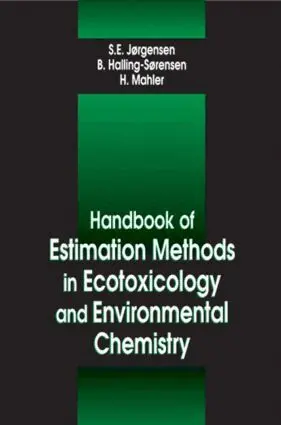
Slightly more than 100,000 chemicals are produced in such an amount that they are threatening to the environment. These include common chemicals such as household cleaners, detergents, cosmetics, medicines, and pesticides. The Handbook of Estimation Methods in Ecotoxicology and Environmental Chemistry presents estimation methods for determining a number of physicochemical, biological, and toxicological parameters for these chemicals. Included is WinTox software, an estimation tool that is quick and easy to use; it provides a good initial estimate that can be further refined. Through the estimation methods demonstrated in this book, the following urgent questions can be answered:
Inbunden, Engelska, 1999
1 828 kr
Tillfälligt slut
The environmental analysis of pollution problems always involves the use of mass and energy balances to quantify the extent of pollution and its sources. This same form of analysis can be applied to ecosystems, production systems, a whole country or a region. A Systems Approach to the Environmental Analysis of Pollution Minimization identifies and describes the common factors shared by these systems.The book is organized in twelve chapters and progresses from general concepts to specific assessment methods. Chapter one is a general introduction to environmental management principles. Chapter two discusses conservation principles and their applications to environmental health. Chapters three and four explore ecosystem health, properties and analysis. Chapters five through eleven present different methods of analysis including Green Accounting, Clean Technology, Life Cycle Analysis, and Risk Assessment. Editor Sven Jorgensen closes the book with a sweeping summary.Jorgensen is a internationally published authority on the use and analysis of ecosystem models. His new book is a comprehensive guide for both students and professionals. A Systems Approach to the Environmental Analysis of Pollution Minimization is an invaluable contribution.Features