Swapna Mukherjee – författare
Visar alla böcker från författaren Swapna Mukherjee. Handla med fri frakt och snabb leverans.
8 produkter
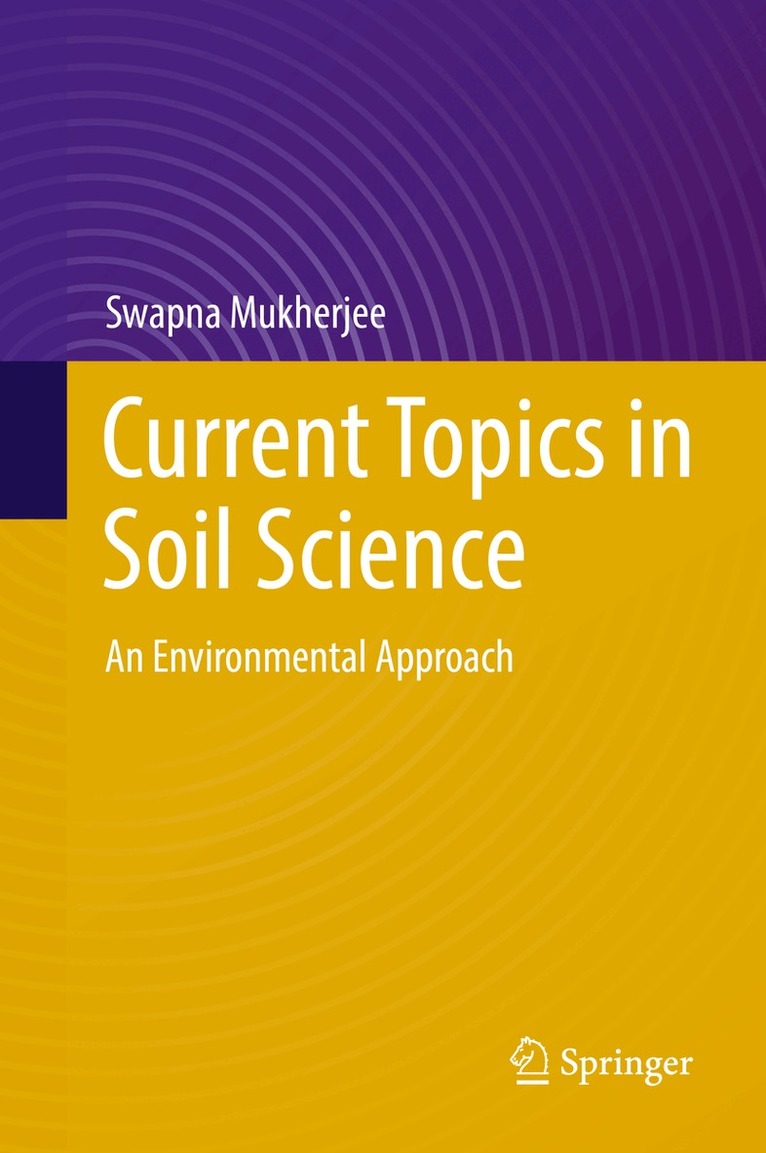
Current Topics in Soil Science
An Environmental Approach
Inbunden, 2022
1753 kr
Lägg i varukorg
Soil is an important but often neglected element of the climate system. It is the second largest carbon store, or ‘sink’, after the oceans. Despite being a fundamental resource that supports all kinds of life on Earth, concerns related to soil are often not included as an important environmental …
Current Topics in Soil Science
An Environmental Approach
E-bok, 2022
2274 kr
Lägg i varukorg
Soil is an important but often neglected element of the climate system. It is the second largest carbon store, or ‘sink’, after the oceans. Despite being a fundamental resource that supports all kinds of life on Earth, concerns related to soil are often not included as an important environmental …
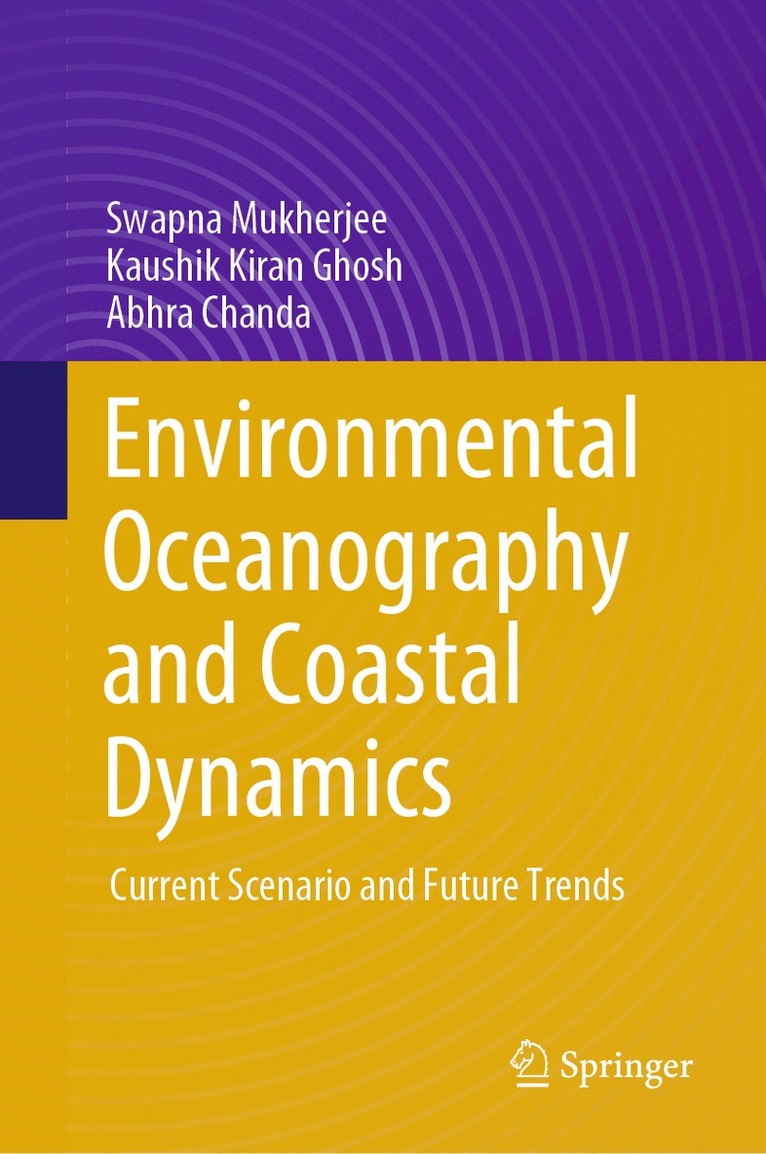
Environmental Oceanography and Coastal Dynamics
Current Scenario and Future Trends
Av Swapna Mukherjee, Kaushik Kiran Ghosh m. fl.
Inbunden, 2023
1643 kr
Lägg i varukorg
This book deals with every aspect of oceanography in detail including various aspects of physical, chemical, geological, and biological discourse. ‘Earth and Planetary Science’ is perhaps the oldest, dynamic, and ever-evolving subject. Oceanography is one of its domains, which has become important …
Environmental Oceanography and Coastal Dynamics
Current Scenario and Future Trends
Av Abhra Chanda, Kaushik Kiran Ghosh m. fl.
E-bok, 2023
2111 kr
Lägg i varukorg
This book deals with every aspect of oceanography in detail including various aspects of physical, chemical, geological, and biological discourse. ‘Earth and Planetary Science’ is perhaps the oldest, dynamic, and ever-evolving subject. Oceanography is one of its domains, which has become important …
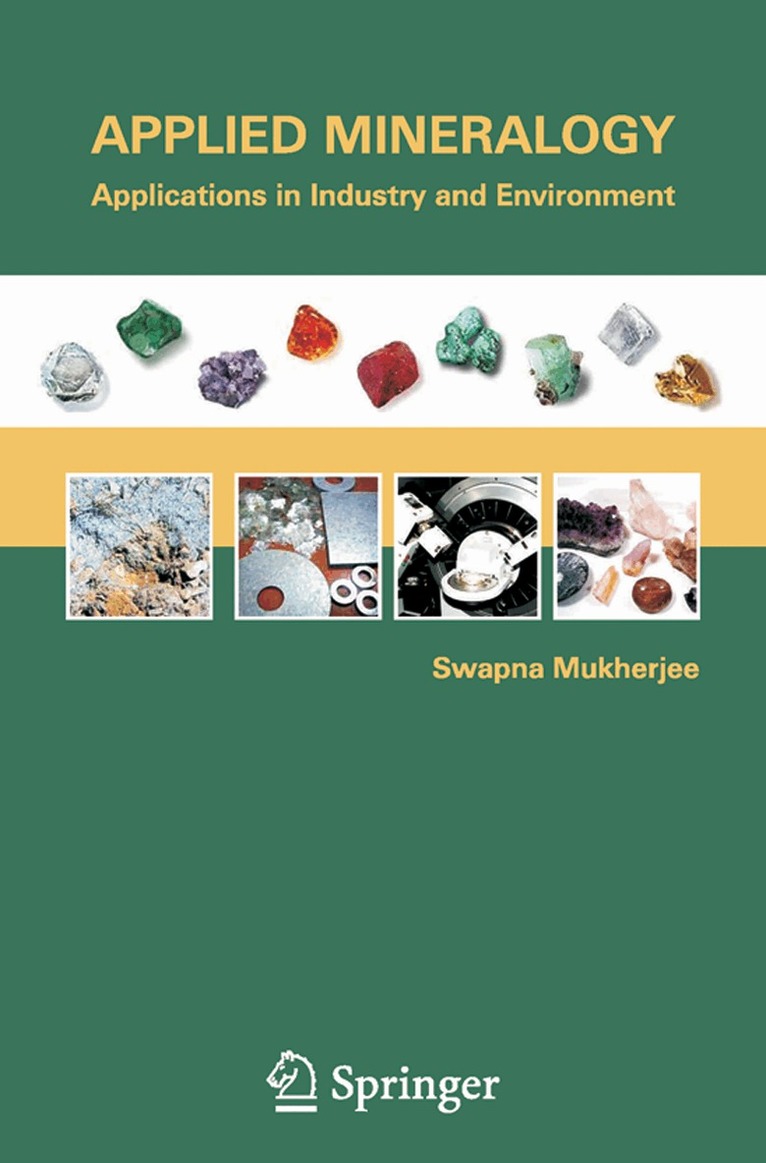
Applied Mineralogy
Applications in Industry and Environment
Inbunden, 2011
1207 kr
Lägg i varukorg
This book covers the entire spectrum of mineralogy and consolidates its applications in different fields. Part I starts with the very basic concept of mineralogy describing in detail the implications of the various aspects of mineral chemistry, crystallographic structures and their effects …
Applied Mineralogy
Applications in Industry and Environment
E-bok, 2012
1622 kr
Lägg i varukorg
This book covers the entire spectrum of mineralogy and consolidates its applications in different fields. Part I starts with the very basic concept of mineralogy describing in detail the implications of the various aspects of mineral chemistry, crystallographic structures and their effects …
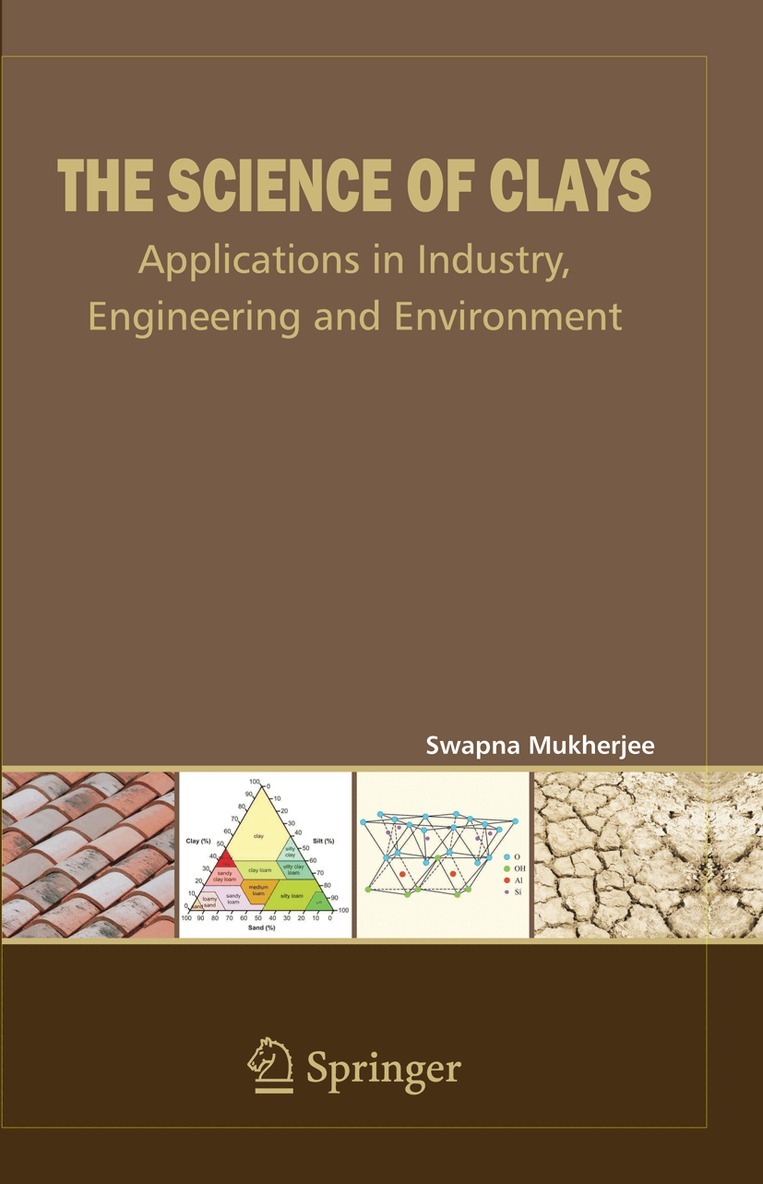
Science of Clays
Applications in Industry, Engineering, and Environment
Inbunden, 2013
1643 kr
Lägg i varukorg
This book is an attempt to provide a comprehensive and coherent description of three widely separated aspects of clays: the science of clays; the industrial uses of clays; and the role of clays in the environment. Most of the existing literature lacks such an integrated study and this work …
Science of Clays
Applications in Industry, Engineering, and Environment
E-bok, 2013
2044 kr
Lägg i varukorg
This book is an attempt to provide a comprehensive and coherent description of three widely separated aspects of clays: the science of clays; the industrial uses of clays; and the role of clays in the environment. Most of the existing literature lacks such an integrated study and this work …