Swarnima Singh – författare
Visar alla böcker från författaren Swarnima Singh. Handla med fri frakt och snabb leverans.
4 produkter
4 produkter
Häftad, Engelska, 2026
1 217 kr
Skickas inom 5-8 vardagar
Inbunden, Engelska, 2021
1 401 kr
Skickas inom 10-15 vardagar
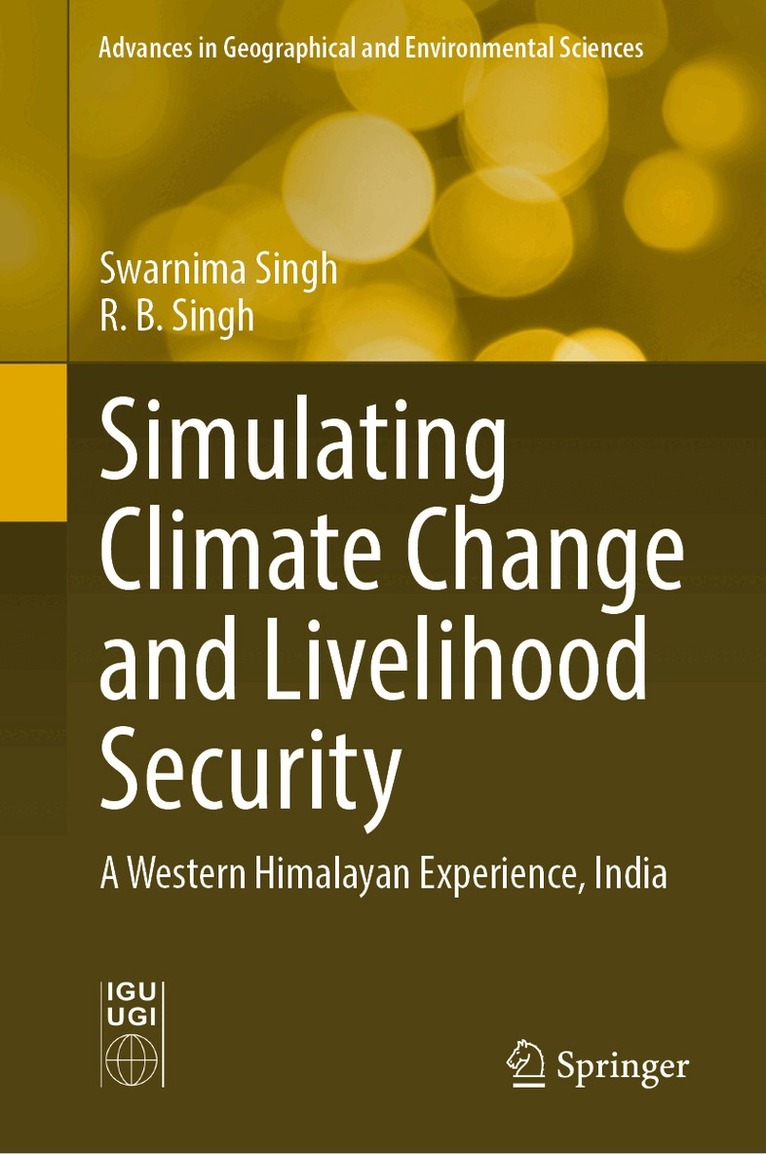
This book identifies and provides reasoning for computed methods of local climate dynamics and the livelihood vulnerability indices assessment in the mountainous region of Himachal Pradesh, India. The outcomes of this study agree with the focused objectives on simulating climate change and its impact on livelihood security. It deals with several crucial methodologies to analyze livelihood security with and without climate change. The explorative deductive approach was used to observe climatic changes since the 1970s and simulated the climate until 2080. Additionally, the composite livelihood vulnerability index (LVI) without climate change and the climate change livelihood vulnerability index (CCLVI) with climate change impact were prepared. The book is beneficial for policymakers who are involved in framing and implementing policies chiefly in the Himalaya. It is also valuable for all stakeholders in society: students, researchers and academicians. It proposes discussions and debate on a new, integrated, inclusive and open approach to climate change and validates the significance of geographic knowledge in addressing climate change issues at various levels, suggesting policy measures to cope with them.
E-bok
Engelska, 20211 733 kr
Läs direkt efter köp
This book identifies and provides reasoning for computed methods of local climate dynamics and the livelihood vulnerability indices assessment in the mountainous region of Himachal Pradesh, India. The outcomes of this study agree with the focused objectives on simulating climate change and its impact on livelihood security. It deals with several crucial methodologies to analyze livelihood security with and without climate change. The explorative deductive approach was used to observe climatic changes since the 1970s and simulated the climate until 2080. Additionally, the composite livelihood vulnerability index (LVI) without climate change and the climate change livelihood vulnerability index (CCLVI) with climate change impact were prepared. The book is beneficial for policymakers who are involved in framing and implementing policies chiefly in the Himalaya. It is also valuable for all stakeholders in society: students, researchers and academicians. It proposes discussions and debate on a new, integrated, inclusive and open approach to climate change and validates the significance of geographic knowledge in addressing climate change issues at various levels, suggesting policy measures to cope with them.
Häftad, Engelska, 2022
1 401 kr
Skickas inom 10-15 vardagar
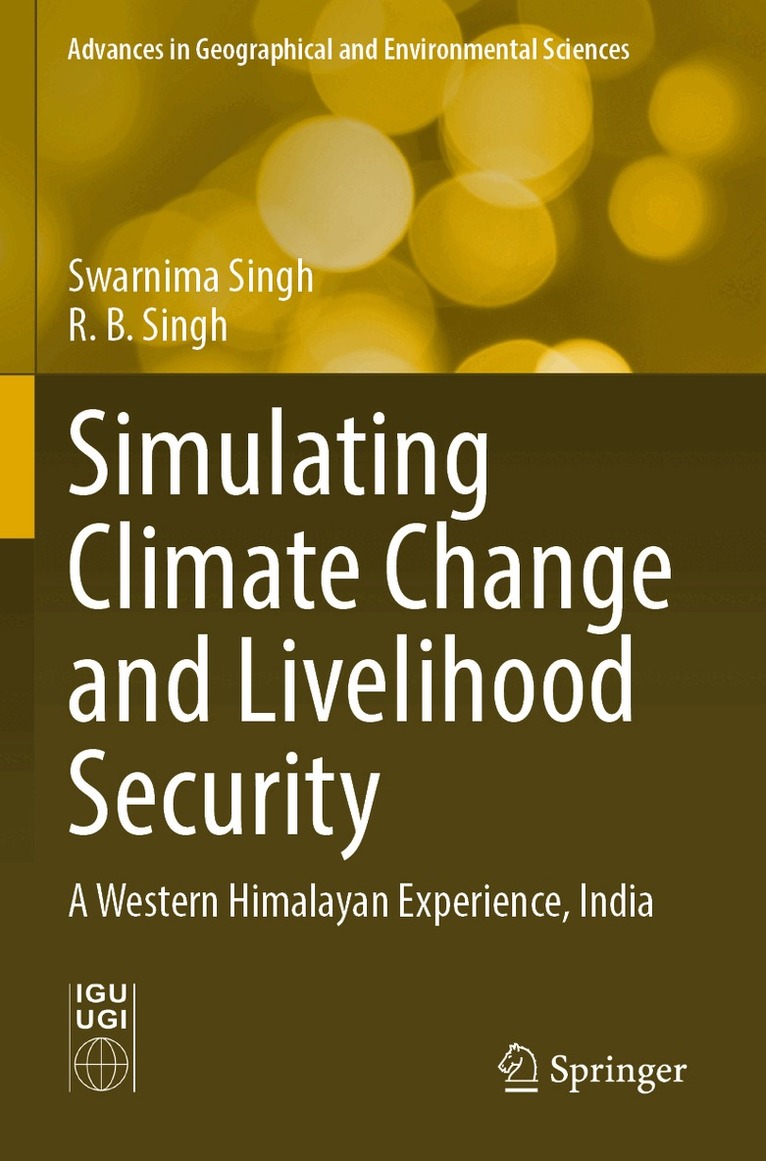
This book identifies and provides reasoning for computed methods of local climate dynamics and the livelihood vulnerability indices assessment in the mountainous region of Himachal Pradesh, India. The outcomes of this study agree with the focused objectives on simulating climate change and its impact on livelihood security. It deals with several crucial methodologies to analyze livelihood security with and without climate change. The explorative deductive approach was used to observe climatic changes since the 1970s and simulated the climate until 2080. Additionally, the composite livelihood vulnerability index (LVI) without climate change and the climate change livelihood vulnerability index (CCLVI) with climate change impact were prepared. The book is beneficial for policymakers who are involved in framing and implementing policies chiefly in the Himalaya. It is also valuable for all stakeholders in society: students, researchers and academicians. It proposes discussions and debate on a new, integrated, inclusive and open approach to climate change and validates the significance of geographic knowledge in addressing climate change issues at various levels, suggesting policy measures to cope with them.