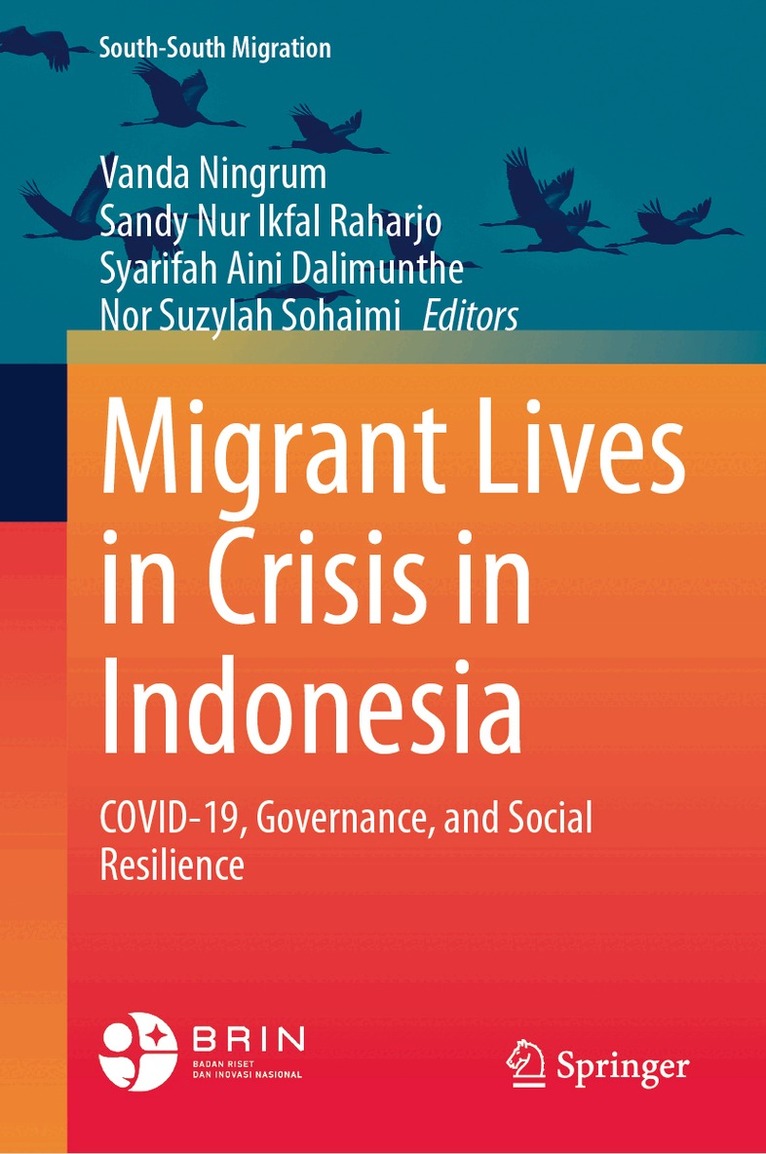
This comprehensive volume offers a critical, socio-demographic examination of the COVID-19 crisis and human mobility in Indonesia. Drawing on data from across the archipelago, it covers the demographic, economic, psychosocial, and socio-political contexts of the pandemic, rigorously analyzing emergency management and its severe, specific impacts on migrants (domestic and international workers, students) and Internally Displaced Persons (IDPs). The book meticulously analyzes the consequences of enforced restrictions and border closures, detailing the disruption of livelihoods and the adaptive strategies employed by these vulnerable populations. As the first book to frame the pandemic through this lens in Indonesia, it provides a crucial platform for rethinking crisis response commitment and underscores the importance of domestic implementation of international laws for protecting migrant rights. Beyond informing post-pandemic policy and research on migration in Indonesia, this work provides enduring, actionable lessons relevant to public health crises and state-of-emergency management throughout the Global South.
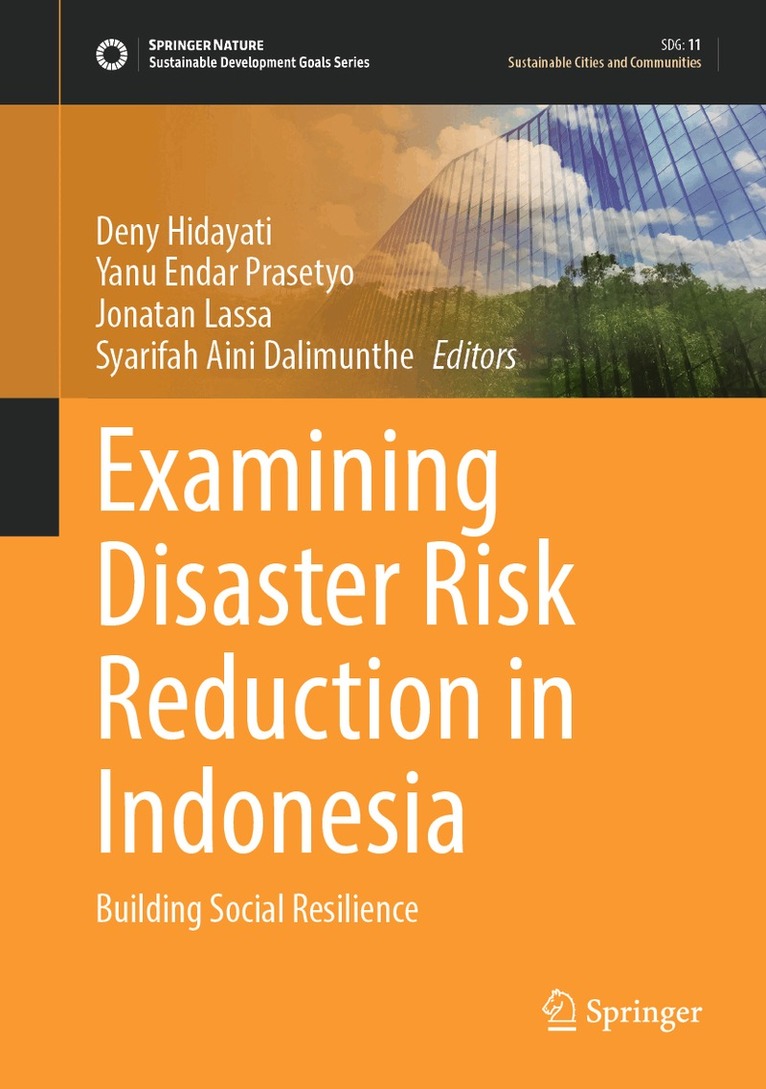
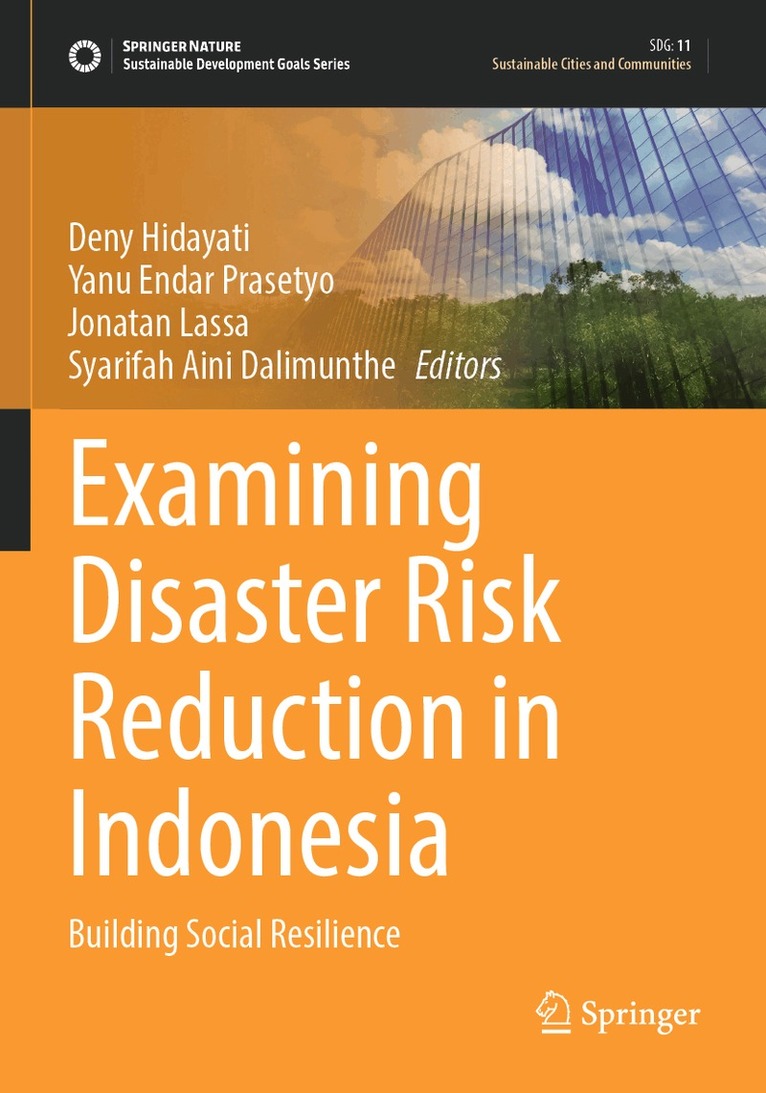
This book offers a critical examination of the global diffusion and local reception of disaster risk reduction (DRR) programs through the lens of Indonesia’s unique challenges and successes. This book critically examines the global diffusion and local reception of risk by implementing Indonesia's disaster risk reduction (DRR) programs. Global efforts to strengthen local disaster resilience capacities have become a staple of international development in recent decades. Yet, the successful implementation of DRR projects designed to enhance local resilience remains vague. There are pockets of success in the post-2018 Central Sulawesi Earthquake, but a gap nevertheless remains between global expectations and local realities. Through a critical realist study of global and local worldviews of risk in Indonesia, this book argues that the global advocacy of DRR remains inadequate because of a failure to prioritize person-orientated ethics in its conceptualization of disaster resilience. Much of the research and policies on DRR have used social science methods only to complement the technological improvement approach offered in reducing disaster risk, especially in the Global South. This book invites readers to revisit disaster as a social problem and as a social construct. This book emphasizes the importance of social science disciplines to answer extensive topics on DRR—from empirical, theoretical, and philosophical approaches—to provide a critical arena and generate dialogue around a people-centered approach to DRR. Vis-à-vis regional comparison, the authors provide a valuable lens to understand the underlying social structures that make resilience possible and unpack the extent to which local governments, communities, and persons interpret and modify their behavior on risk when faced with the global message on understanding a systemic situation. This book is an essential resource for researchers, professionals, and students in areas of resilience, risk management, development studies, and area studies. It provides fresh perspectives and fostering dialogue on DRR in the Global South.