Sylvia Li-chun Lin – författare
1 070 kr
Läs direkt efter köp
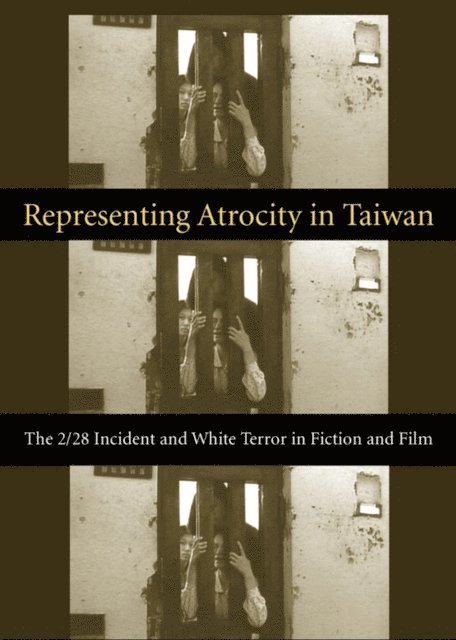
In 1945, Taiwan was placed under the administrative control of the Republic of China, and after two years, accusations of corruption and a failing economy sparked a local protest that was brutally quashed by the Kuomintang government. The February Twenty-Eighth (or 2/28) Incident led to four decades of martial law that became known as the White Terror. During this period, talk of 2/28 was forbidden and all dissent violently suppressed, but since the lifting of martial law in 1987, this long-buried history has been revisited through commemoration and narrative, cinema and remembrance.Drawing on a wealth of secondary theoretical material as well as her own original research, Sylvia Li-chun Lin conducts a close analysis of the political, narrative, and ideological structures involved in the fictional and cinematic representations of the 2/28 Incident and White Terror. She assesses the role of individual and collective memory and institutionalized forgetting, while underscoring the dangers of re-creating a historical past and the risks of trivialization. She also compares her findings with scholarly works on the Holocaust and the aftermath of the atomic bombings of Japan, questioning the politics of forming public and personal memories and the political teleology of "closure." This is the first book to be published in English on the 2/28 Incident and White Terror and offers a valuable matrix of comparison for studying the portrayal of atrocity in a specific locale.
2 408 kr
Skickas inom 10-15 vardagar
893 kr
Skickas inom 10-15 vardagar
992 kr
Läs direkt efter köp
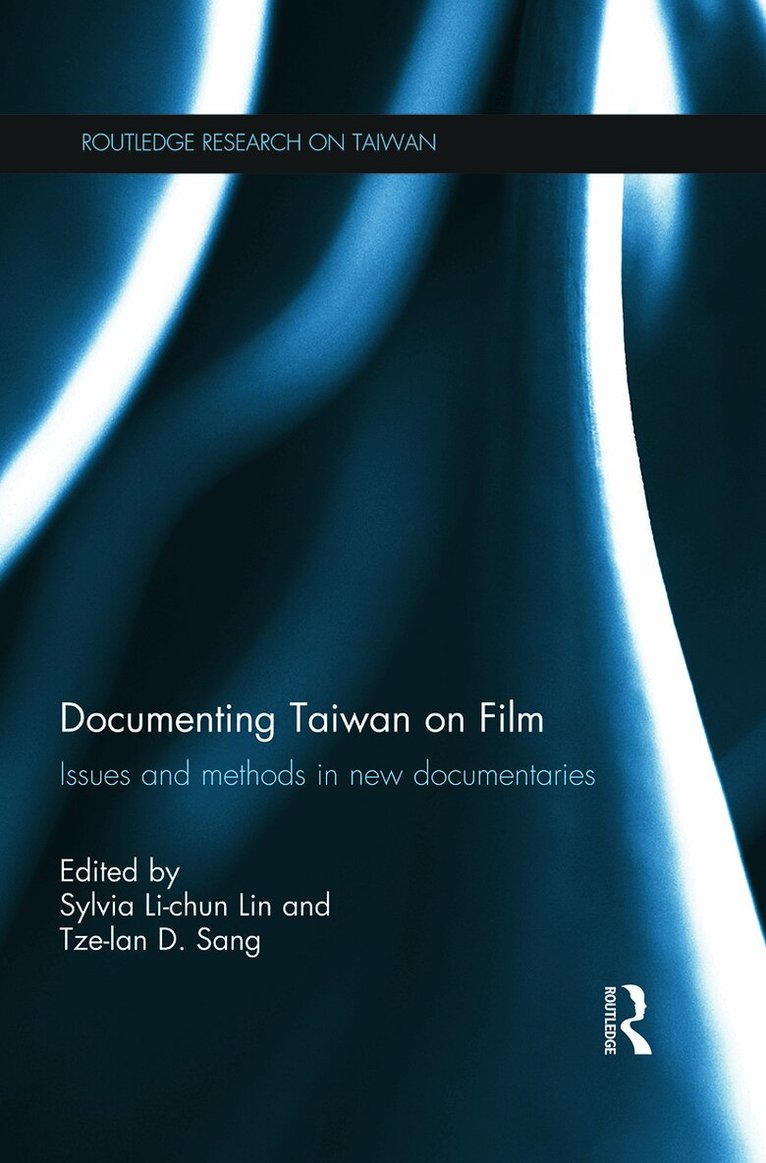
To date, there is but a handful of articles on documentary films from Taiwan. This volume seeks to remedy the paucity in this area of research and conduct a systematic analysis of the genre. Each contributor to the volume investigates the various aspects of documentary by focusing on one or two specific films that document social, political and cultural changes in recent Taiwanese history. Since the lifting of martial law, documentary has witnessed a revival in Taiwan, with increasing numbers of young, independent filmmakers covering a wide range of subject matter, in contrast to fiction films, which have been in steady decline in their appeal to local, Taiwanese viewers. These documentaries capture images of Taiwan in its transformation from an agricultural island to a capitalist economy in the global market, as well as from an authoritarian system to democracy. What make these documentaries a unique subject of academic inquiry lies not only in their exploration of local Taiwanese issues but, more importantly, in the contribution they make to the field of non-fiction film studies. As the former third-world countries and Soviet bloc begin to re-examine their past and document social changes on film, the case of Taiwan will undoubtedly become a valuable source of comparison and inspiration. These Taiwanese documentaries introduce a new, Asian perspective to the wealth of Anglo-American scholarship with the potential to serve as exemplar for countries undergoing similar political and social transformations.
Documenting Taiwan on Film is essential reading for all those interested in Taiwan Studies, film studies and Asian cinema.
992 kr
Läs direkt efter köp
To date, there is but a handful of articles on documentary films from Taiwan. This volume seeks to remedy the paucity in this area of research and conduct a systematic analysis of the genre. Each contributor to the volume investigates the various aspects of documentary by focusing on one or two specific films that document social, political and cultural changes in recent Taiwanese history. Since the lifting of martial law, documentary has witnessed a revival in Taiwan, with increasing numbers of young, independent filmmakers covering a wide range of subject matter, in contrast to fiction films, which have been in steady decline in their appeal to local, Taiwanese viewers. These documentaries capture images of Taiwan in its transformation from an agricultural island to a capitalist economy in the global market, as well as from an authoritarian system to democracy. What make these documentaries a unique subject of academic inquiry lies not only in their exploration of local Taiwanese issues but, more importantly, in the contribution they make to the field of non-fiction film studies. As the former third-world countries and Soviet bloc begin to re-examine their past and document social changes on film, the case of Taiwan will undoubtedly become a valuable source of comparison and inspiration. These Taiwanese documentaries introduce a new, Asian perspective to the wealth of Anglo-American scholarship with the potential to serve as exemplar for countries undergoing similar political and social transformations.
Documenting Taiwan on Film is essential reading for all those interested in Taiwan Studies, film studies and Asian cinema.
383 kr
Skickas inom 5-8 vardagar